


—Unexpected Manufacturing Growth Boosts U.S. Economy
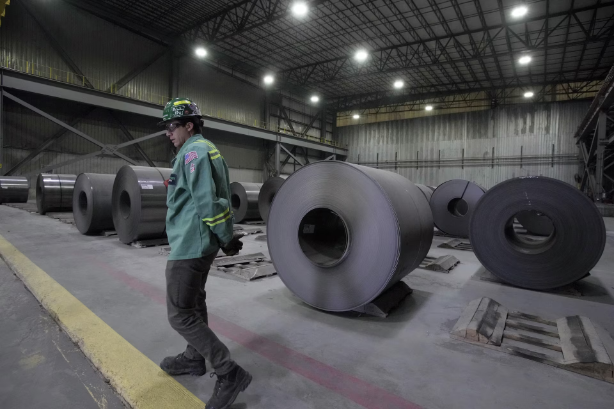
The United States manufacturing sector is experiencing stronger-than-expected growth in 2026, providing a significant boost to the broader economy and strengthening confidence among businesses and investors. Analysts say increased domestic demand, infrastructure investment, technological innovation, and supply chain restructuring are contributing to the sector’s renewed momentum.
Manufacturing activity across several industries has expanded steadily during the year, with growth reported in automotive production, electronics, industrial equipment, consumer goods, and advanced technology manufacturing. Companies are increasing production capacity and investing in modernization as demand continues to improve.
One of the major drivers behind the growth is rising domestic demand. American consumers and businesses continue to spend on products ranging from vehicles and appliances to technology and construction materials. Strong consumption patterns have encouraged manufacturers to increase output and expand operations.
Infrastructure development is also supporting manufacturing activity. Public and private investments in transportation, energy systems, and digital infrastructure are increasing demand for industrial materials, machinery, and construction-related products. These projects are helping stimulate industrial production across multiple regions.
Technology is playing a central role in reshaping the manufacturing industry. Automation, robotics, artificial intelligence, and smart factory systems are improving efficiency and productivity. Manufacturers are increasingly adopting digital technologies to reduce operational costs, improve quality control, and strengthen supply chain management.
Artificial intelligence is helping manufacturers optimize production schedules, monitor equipment performance, and improve inventory management. Predictive maintenance systems powered by AI are reducing downtime and improving operational reliability.
Supply chain restructuring has become another important factor driving growth. Following years of global disruptions, many companies are shifting production closer to domestic markets to improve resilience and reduce dependency on overseas suppliers. This trend has encouraged new investment in U.S.-based manufacturing facilities.
Semiconductor production and advanced technology manufacturing are seeing particularly strong expansion. Rising demand for artificial intelligence systems, cloud infrastructure, and connected devices is increasing the need for advanced chips and electronic components. Investments in semiconductor facilities are contributing to broader industrial growth.
Employment in manufacturing is also improving in several areas. Companies are hiring workers for production, engineering, logistics, and technology-related roles as operations expand. Workforce development programs and technical training initiatives are being introduced to address growing demand for skilled labor.
Small and medium-sized manufacturers are benefiting from increased business activity as well. Access to digital tools, financing, and local supply chain partnerships is helping smaller firms compete more effectively and expand production capabilities.
Financial markets are responding positively to signs of manufacturing strength. Investors often view industrial growth as an indicator of broader economic resilience and long-term business confidence. Strong manufacturing performance can also support exports and improve trade activity.
Energy availability and cost stability are influencing manufacturing competitiveness. Companies are increasingly investing in energy-efficient operations and renewable energy solutions to reduce long-term expenses and improve sustainability.
Government policies supporting domestic production and industrial investment are contributing to the sector’s expansion. Incentives tied to infrastructure, technology development, and manufacturing modernization are encouraging companies to increase spending and create jobs.
Despite the positive momentum, challenges remain. Manufacturers continue to monitor inflation, labor shortages, global competition, and interest rate trends. Rising operational costs and supply chain pressures can still affect profitability and production planning.
Environmental sustainability is becoming increasingly important in manufacturing strategies. Many companies are adopting cleaner production methods, recycling systems, and environmentally responsible technologies to meet regulatory requirements and consumer expectations.
Global economic conditions continue to influence export opportunities for U.S. manufacturers. While international uncertainty remains in some markets, strong domestic demand has helped offset external risks and support production growth.
Analysts note that the manufacturing sector’s performance is important for overall economic stability. Manufacturing supports millions of jobs and contributes significantly to innovation, trade, infrastructure, and regional economic development.
Business leaders are increasingly optimistic about long-term industrial growth, particularly in sectors connected to advanced technology, clean energy, and digital infrastructure. Continued investment in innovation is expected to remain a major growth driver.
Looking ahead, economists expect manufacturing activity to remain an important contributor to U.S. economic growth throughout 2026 if demand, investment, and supply chain improvements continue at current levels.
The broader impact of manufacturing expansion extends beyond industrial output. Increased production supports transportation, logistics, retail activity, and business investment across the wider economy.
In conclusion, the unexpected growth in the U.S. manufacturing sector reflects improving business confidence, technological advancement, and resilient domestic demand. As companies continue investing in innovation and production capacity, manufacturing is once again becoming a major force in the American economy.

Jeffrey E. Byrd connects the dots that most people don't even see on the same map. As the founder of Financial-Journal, his reporting focuses on the powerful currents of technology and geopolitics that are quietly reshaping global systems, influence, and power structures.
His work follows the hidden pipelines—where data, defense, finance, and emerging technology intersect. He highlights the players who move behind the curtain: governments, intelligence networks, private security alliances, and digital industries shaping tomorrow's geopolitical terrain.
Jeffrey’s mission is to give readers clarity in a world where complexity is used as strategy.
Read More