


—Emerging Markets Watch U.S. Inflation for Policy Signals
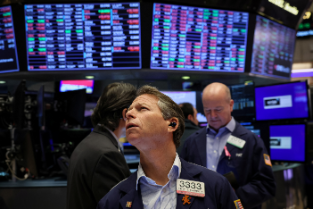
Because of its increasing impact on global capital flows, currency stability, and borrowing rates, investors in emerging nations are closely monitoring U.S. inflation data. The effects of US inflation patterns are being felt much beyond the country's boundaries as they influence expectations for Fed policy. Market players are reevaluating the forecast for U.S. interest rates in light of recent inflation figures. This reevaluation has important ramifications for emerging economies. Expectations for lower interest rates typically increase when U.S. inflation begins to decline, relieving pressure on developing market assets. On the other hand, persistent inflation might tighten global financial conditions by reinforcing expectations of higher rates for longer periods of time. Among the first to respond were the currency markets. Since a weaker dollar increases investor demand for higher-yielding assets, many developing market currencies often appreciate when U.S. inflation declines. Expectations that U.S. monetary policy may progressively become less restrictive have bolstered the durability of some Asian and Latin American currencies in recent sessions. Emerging economies' bond markets are reacting as well. Global investors may find government and corporate bonds more appealing if there is less perceived risk of aggressive U.S. rate hikes, which might lower yields on developing market debt. As investors look for yield options outside of developed nations, especially those where inflation is under control and fiscal balances are strengthening, portfolio inflows have appeared to be stabilizing. Emerging-economy equity markets have followed changes in U.S. inflation in a similar manner. Global risk sentiment is generally supported by softer inflation statistics, which encourages investment in emerging market stocks. As financing circumstances improve and investor confidence grows, sectors associated with exports, commodities, and domestic consumption frequently reap the benefits. Analysts warn that there are differences in the link between U.S. inflation and emerging markets. Large current account deficits and high levels of debt denominated in dollars make nations susceptible to abrupt changes in U.S. policy expectations. In these situations, currency and asset price volatility can be triggered by even slight fluctuations in inflation figures. As they adjust their own policies, central banks in developing nations are likewise keeping a careful eye on U.S. inflation. As global financial pressures lessen, some policymakers have more leeway to pause or lower domestic rates, while others continue to exercise caution and place a higher priority on inflation and currency stability. The scenario is further complicated by trade dynamics. A change in U.S. inflation can have a direct impact on export-oriented emerging economies by influencing consumer demand, import volumes, and commodity prices. The economies of energy producers, metal exporters, and farmers are especially vulnerable to shifts in the growth and inflation patterns of the United States. Market swings caused by inflation continue to interplay with geopolitical threats and regional political developments. Investors are becoming more picky and prefer emerging nations with robust institutions, clear policy frameworks, and controllable debt profiles. Future U.S. economic data releases will continue to be crucial for emerging markets in the coming weeks, according to market strategists. It is anticipated that Federal Reserve communications, job data, and inflation statistics would influence both short-term positioning and long-term investment choices. All things considered, U.S. inflation movements are being actively monitored by developing market investors as a crucial indicator of world financial circumstances. Capital flows, policy expectations, and risk sentiment in emerging economies around the world are all still shaped by the United States' changing inflation outlook.

Jeffrey E. Byrd connects the dots that most people don't even see on the same map. As the founder of Financial-Journal, his reporting focuses on the powerful currents of technology and geopolitics that are quietly reshaping global systems, influence, and power structures.
His work follows the hidden pipelines—where data, defense, finance, and emerging technology intersect. He highlights the players who move behind the curtain: governments, intelligence networks, private security alliances, and digital industries shaping tomorrow's geopolitical terrain.
Jeffrey’s mission is to give readers clarity in a world where complexity is used as strategy.
Read More