


—Forex Markets Adjust as Dollar Weakens, Euro Strengthens
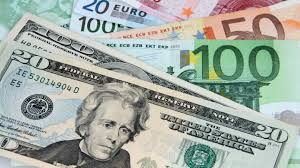
Significant changes occurred in the world's foreign currency markets as the euro appreciated against other currencies and the U.S. dollar continued to decline. The actions were a response to shifting monetary policy expectations, a reduction in inflationary pressures in the United States, and a resurgence of confidence in certain areas of the European economy. Growing predictions that the U.S. Federal Reserve may move closer to interest rate cuts as inflation shows indications of deceleration have been a major factor in the dollar's decline. Investors reevaluated the dollar's yield advantage after recent economic data indicated that pricing pressures were abating without causing a significant slowdown in business expansion. All currency markets saw an easing of demand for the dollar as expectations of continued restrictive U.S. monetary policy diminished. Investors responded to more consistent economic signals from the eurozone, which caused the euro to gain momentum at the same time. The single currency has been supported by inflation trends and the European Central Bank's cautious rhetoric, even though growth is still unequal throughout the eurozone. The ECB's stance was seen by traders as balanced, which allayed concerns about sudden changes in policy and boosted trust in assets denominated in euros. The closing interest rate gap between the United States and Europe has been a major factor in recent FX movements, according to currency strategists. The allure of holding dollars wanes when yield gaps close, enticing investors to switch to other currencies like the euro. As global markets price in a more coordinated easing cycle among major central banks, this dynamic has becoming increasingly noticeable. Currency flows have also been impacted by broader market sentiment. The demand for conventional safe-haven currencies has decreased as global equity markets have demonstrated resilience and volatility has been mostly restrained. As investors take on greater risk and diversify their exposure across areas, the dollar, which is frequently viewed as a defensive asset during uncertain times, has come under assault. Global markets have been impacted by the strength of the euro. Because a stronger euro may make it more difficult to compete internationally, European exporters are keeping a careful eye on currency fluctuations. Investors point out that stable exchange rates could make it easier for businesses to forecast expenses and earnings, especially for international corporations that operate throughout the United States and Europe. The depreciation of the dollar also helped emerging market currencies. A weaker dollar encourages capital inflows into higher-yielding markets and relieves pressure on nations with debt denominated in dollars. A number of emerging currencies saw slight increases as investors looked for higher yields in the context of rising global liquidity. Similar patterns were seen in other major currencies. While the Japanese yen continued to be sensitive to yield movements and Tokyo policy signals, the British pound displayed mixed movement, affected by both domestic economic data and expectations for Bank of England policy. In general, relative policy outlooks continued to influence currency markets more so than unforeseen short-term economic events. Analysts warn that incoming data and central bank communications continue to have a significant impact on FX markets. Currency patterns could be swiftly changed by any unanticipated rebound in U.S. inflation or changes in ECB policy instructions. Global trade circumstances and geopolitical developments continue to be important factors influencing changes in currency rates. It is anticipated that traders would pay special attention to future central bank pronouncements from both sides of the Atlantic, employment data, and inflation reports. In the coming weeks, currency performance will continue to be determined by the harmony among growth, inflation, and policy flexibility. All things considered, the recent change in forex markets emphasizes how the world is evolving. Investors are shifting their holdings in response to changing expectations for monetary policy and a wider recalibration of global risk sentiment as the dollar declines and the euro gains strength.

Jeffrey E. Byrd connects the dots that most people don't even see on the same map. As the founder of Financial-Journal, his reporting focuses on the powerful currents of technology and geopolitics that are quietly reshaping global systems, influence, and power structures.
His work follows the hidden pipelines—where data, defense, finance, and emerging technology intersect. He highlights the players who move behind the curtain: governments, intelligence networks, private security alliances, and digital industries shaping tomorrow's geopolitical terrain.
Jeffrey’s mission is to give readers clarity in a world where complexity is used as strategy.
Read More