


—Global Energy Markets React to U.S. Data, Geopolitical Risks
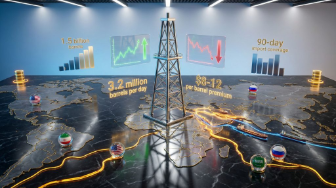
As investors responded to both increased geopolitical tensions and U.S. economic data, global energy markets experienced a resurgence of volatility. The markets for oil, natural gas, and refined fuels mirrored changing perceptions of global risk, supply stability, and demand growth. After U.S. data indicated resilience in economic activity, crude oil prices increased, supporting predictions that energy consumption may hold constant amid tighter financial conditions. Oil markets were supported by strong employment statistics and steady consumption trends in the US, allaying worries of a significant slowdown in fuel consumption. Meanwhile, an element of uncertainty was introduced by global concerns. Concerns regarding possible supply disruptions were raised by ongoing wars and diplomatic tensions in important energy-producing regions. The risk premium linked to geopolitical instability continued to affect price, especially in oil futures markets, even in the absence of immediate production losses. Markets for natural gas also reacted to changing circumstances. While global liquefied natural gas (LNG) markets continued to be sensitive to shifts in Asian and European demand, short-term price swings in the US were influenced by storage levels and weather projections. Expectations for constant gas use were reinforced by U.S. data showing stable industrial activity. Energy merchants kept a careful eye on changes in the US dollar, which was a major factor in determining commodities pricing. International buyers found energy commodities more appealing due to a weaker dollar, which supported prices in the oil and gas markets. The effect of economic data on energy prices is frequently amplified by currency movements, especially for commodities that are traded internationally. Similar patterns were seen in refined products like gasoline and diesel. Expectations for transportation fuel consumption were impacted by seasonal demand trends as well as U.S. economic signals. As markets balanced short-term supply with long-term demand projections, refinery activity and inventory levels continued to be important factors. Shares of large producers and energy service firms reacted to shifts in pricing expectations, while energy equities followed changes in commodities. Investors balanced the advantages of rising commodity prices with more general market concerns, such as changing energy transition regulations and regulatory constraints. According to analysts, the relationship between global events and U.S. statistics has grown in significance for the energy markets. Demand expectations might be supported by strong economic indicators, but short-term volatility and abrupt price changes are frequently caused by geopolitical uncertainties. Because of this mix, market sentiment is especially susceptible to news stories and data releases. Longer-term factors, such as international energy transition initiatives and investment patterns, are still a priority. Even if renewable energy is still growing, traditional energy markets are still essential for supplying the demand today, particularly in times of economic stability. Future U.S. economic reports, inventory data, and events in international political hotspots are anticipated to be actively watched by market participants. The dynamics of the energy market could be swiftly altered by any shifts in supply or demand forecasts. All things considered, global energy markets are negotiating a challenging landscape influenced by geopolitical tensions and U.S. economic signals. Energy prices will probably continue to be sensitive to both macroeconomic trends and changing global concerns as data and developments become available.

Jeffrey E. Byrd connects the dots that most people don't even see on the same map. As the founder of Financial-Journal, his reporting focuses on the powerful currents of technology and geopolitics that are quietly reshaping global systems, influence, and power structures.
His work follows the hidden pipelines—where data, defense, finance, and emerging technology intersect. He highlights the players who move behind the curtain: governments, intelligence networks, private security alliances, and digital industries shaping tomorrow's geopolitical terrain.
Jeffrey’s mission is to give readers clarity in a world where complexity is used as strategy.
Read More