


—Semiconductor Outlook Shifts Following Softer CPI Data
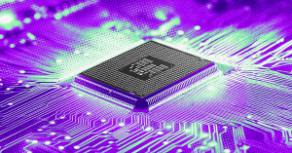
Following the announcement of softer-than-expected U.S. inflation figures, investors have started to reevaluate demand prospects, pricing power, and capital expenditure plans throughout the semiconductor sector, which has caused sentiment surrounding the global semiconductor cycle to start shifting. The CPI data has affected interest rate forecasts, giving markets a new perspective on chipmakers and their prospects for the upcoming year. Because semiconductors are deeply integrated into a wide range of businesses, from cloud computing and artificial intelligence infrastructure to consumer electronics and car manufacturing, they are especially sensitive to macroeconomic signals. Concerns about aggressive monetary tightening have subsided due to lower inflation readings, which has improved the overall climate for capital-intensive industries like chip production. Following periods of volatility, semiconductor stocks have recently exhibited indications of stabilization. Investors seem to be more concerned with the next upcycle's durability and timing. Some end markets continue to have uneven demand, especially for consumer gadgets, but other areas are showing resilience. High-performance computers, data centers, and AI accelerators all continue to offer structural underpinning for sustained expansion. Softer inflation data, according to analysts, has made funding circumstances more transparent. In order to increase fabrication capacity and improve process technology, semiconductor companies mostly rely on long-term capital investment. Investment decisions are now less unclear, particularly for businesses contemplating multi-year expansion projects, thanks to increased transparency on borrowing costs. Pricing discipline is still a major theme, though. Oversupply frequently put pressure on profits and inventory levels in prior cycles. The prevailing sentiment points to a more cautious strategy, with producers seeking to better match output to demand indicators. Cycles of inventory adjustment seem to be slowing down, which boosts supply chain trust. Additionally, suppliers of equipment and foundries are being reevaluated. Businesses that supply cutting-edge materials and manufacturing equipment are viewed as indirect benefactors of a stabilizing cycle. Equipment orders may gradually rebound as chipmakers begin postponed expenditure plans if inflation keeps declining and financial circumstances get better. Geopolitical factors continue to play a role. Capital allocation is still influenced by government-sponsored semiconductor projects and supply chain diversification attempts. However, market players think that macroeconomic stability—especially with regard to rates and inflation—will have a greater influence on short-term mood than policy news alone. Selective investor positioning has emerged. Fund managers are concentrating on businesses with robust financial sheets, technological leadership, and unmistakable end-market demand visibility rather than wide exposure. Businesses with advanced nodes and AI workloads are typically seen as more equipped to handle the cycle's transitory stages. Though attitude has improved, caution still exists. Experts in the field caution that a complete cycle turn is not defined by a single data point. A steady recovery in demand is anticipated, with regional and segment-specific variances. Chips for consumers would lag, while demand from businesses and infrastructure might drive the comeback. In order to determine whether sentiment changes result in long-term momentum, future earnings reports and forward guidance will be crucial. A greater understanding of how businesses are reacting to changing macro conditions will be provided by management commentary on order trends, utilization rates, and customer pipelines. All things considered, the lower CPI data has sparked a reevaluation of the semiconductor market. Even while there are still issues, better inflation trends have eased the strain on investment plans and valuations, creating a more balanced view of the semiconductor cycle as markets transition to the next stage of expansion.

Jeffrey E. Byrd connects the dots that most people don't even see on the same map. As the founder of Financial-Journal, his reporting focuses on the powerful currents of technology and geopolitics that are quietly reshaping global systems, influence, and power structures.
His work follows the hidden pipelines—where data, defense, finance, and emerging technology intersect. He highlights the players who move behind the curtain: governments, intelligence networks, private security alliances, and digital industries shaping tomorrow's geopolitical terrain.
Jeffrey’s mission is to give readers clarity in a world where complexity is used as strategy.
Read More