


—Senate Passes Landmark Infrastructure Funding Legislation
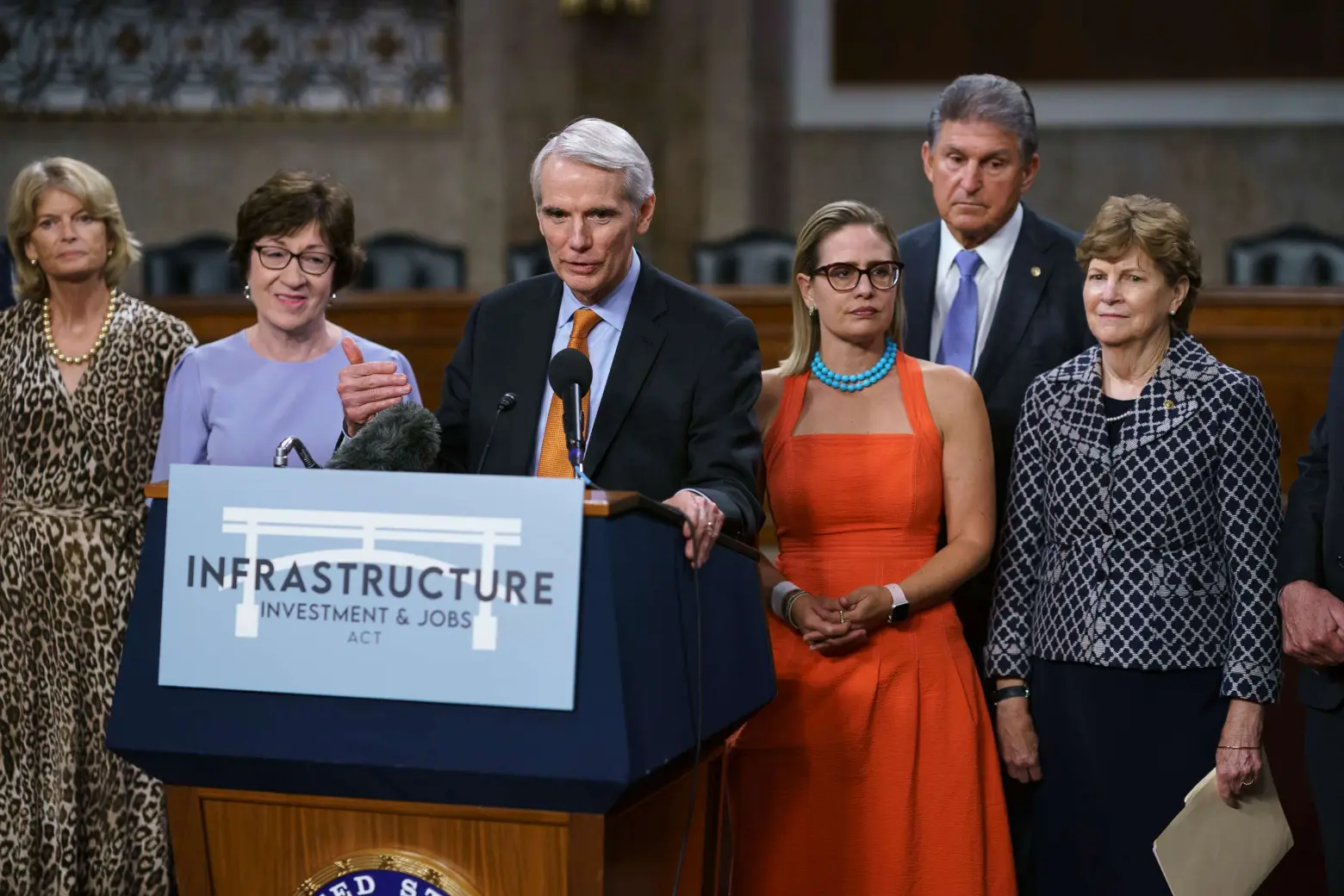
The U.S. Senate has approved a sweeping infrastructure funding package, marking a significant legislative milestone aimed at upgrading the nation’s transportation networks, utilities, and public facilities. The vote follows months of negotiations and reflects bipartisan recognition of the urgent need to modernize aging infrastructure across the country.
Lawmakers supporting the measure emphasized its potential to stimulate economic growth, create jobs, and improve long-term competitiveness. The funding is expected to support projects involving highways, bridges, public transit systems, ports, and water infrastructure, addressing decades of underinvestment that have strained public resources.
Senate leaders highlighted that the legislation prioritizes safety and resilience. Many of the funded projects are designed to reduce congestion, improve transportation efficiency, and strengthen infrastructure against extreme weather events. Supporters argue that these upgrades will not only improve daily life for Americans but also enhance national preparedness for future challenges.
The bill also includes funding for rural and underserved communities. Senators from both parties noted that infrastructure gaps in these areas have hindered economic opportunity and access to essential services. By directing resources toward smaller towns and remote regions, lawmakers aim to promote more balanced national development.
Economic analysts point to the potential ripple effects of the funding. Construction activity is expected to boost employment across multiple sectors, including engineering, manufacturing, and logistics. Improved infrastructure may also attract private investment, supporting long-term economic expansion and productivity gains.
Opposition voices raised concerns about the scale of spending and long-term fiscal implications. Critics questioned how the funding would be financed and warned about potential increases in federal debt. In response, supporters argued that infrastructure investment delivers long-term returns that outweigh initial costs, particularly when projects improve efficiency and reduce maintenance expenses over time.
State and local governments are preparing to implement projects once the funding is fully authorized. Transportation departments and municipal agencies are reviewing priority lists, planning timelines, and procurement processes to ensure projects can begin without delay.
Environmental considerations were also part of the debate. Some provisions encourage sustainable construction practices, improved public transit options, and upgrades to water systems aimed at reducing pollution and improving public health outcomes. Lawmakers emphasized that infrastructure modernization can align economic growth with environmental responsibility.
The legislation now moves to the next phase of the legislative process, where implementation details, oversight mechanisms, and funding distribution will be closely monitored. Lawmakers have stressed the importance of transparency and accountability to ensure that funds are used effectively and as intended.
In summary, the Senate’s approval of major infrastructure funding represents a decisive step toward revitalizing America’s public assets. If effectively implemented, the investment could strengthen economic foundations, improve quality of life, and position the nation for sustained growth in the years ahead.

Jeffrey E. Byrd connects the dots that most people don't even see on the same map. As the founder of Financial-Journal, his reporting focuses on the powerful currents of technology and geopolitics that are quietly reshaping global systems, influence, and power structures.
His work follows the hidden pipelines—where data, defense, finance, and emerging technology intersect. He highlights the players who move behind the curtain: governments, intelligence networks, private security alliances, and digital industries shaping tomorrow's geopolitical terrain.
Jeffrey’s mission is to give readers clarity in a world where complexity is used as strategy.
Read More