


—Lawmakers Clash as Congress Reviews New Border Security Bill
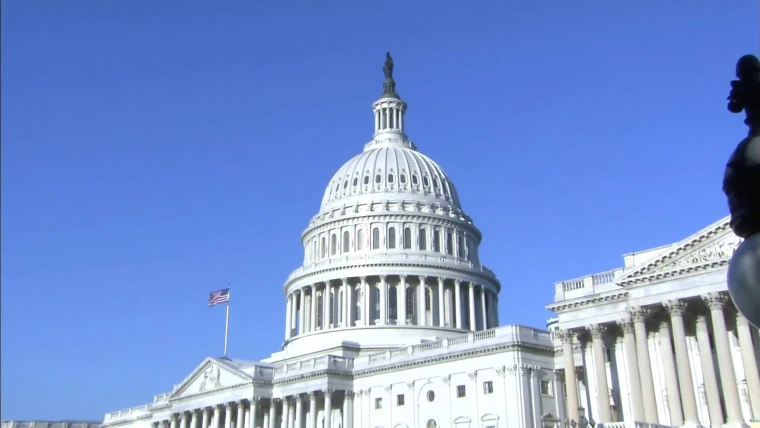
The U.S. Congress has entered a heated debate over a proposed border security bill, bringing immigration policy back to the center of national political discourse. Lawmakers from both parties are weighing the bill’s provisions amid growing public concern over border crossings, enforcement capacity, and humanitarian responsibilities.
Supporters of the legislation argue that enhanced border security is necessary to address increased migration flows and combat criminal activity, including human smuggling and drug trafficking. Provisions under discussion include expanded funding for border personnel, upgraded surveillance technology, and streamlined processing procedures aimed at reducing backlogs in immigration cases.
Opponents, however, have raised concerns about the bill’s potential impact on asylum seekers and migrant families. Critics argue that stricter enforcement measures could limit access to legal protections and exacerbate humanitarian challenges at the border. Advocacy groups have urged lawmakers to prioritize due process, humane treatment, and long-term immigration reform rather than short-term enforcement-focused solutions.
The debate has revealed deep political divisions. Some lawmakers emphasize national security and border control as essential components of sovereignty, while others stress the economic contributions of immigrants and the need for comprehensive reform that addresses labor shortages, visa pathways, and legal immigration systems.
Economic implications are also part of the discussion. Business leaders and agricultural groups have highlighted workforce shortages that rely heavily on migrant labor. Lawmakers are considering how border policy intersects with economic growth, labor markets, and regional development, particularly in industries dependent on seasonal and skilled workers.
Federal agencies have provided testimony outlining operational challenges at the border. Officials cited limited resources, staffing constraints, and infrastructure gaps as obstacles to effective management. The proposed bill seeks to address some of these issues, though disagreements remain over funding levels and implementation timelines.
Public opinion continues to influence the debate. Polls suggest that border security remains a priority for many voters, though views vary widely on how enforcement should be balanced with humanitarian obligations. Lawmakers face pressure to demonstrate action while navigating complex legal, ethical, and logistical considerations.
International cooperation has also been discussed. Some provisions emphasize collaboration with neighboring countries to address migration drivers such as economic instability, violence, and climate-related displacement. Lawmakers acknowledge that border security challenges extend beyond domestic policy and require coordinated regional efforts.
As deliberations continue, the bill’s future remains uncertain. Amendments, negotiations, and potential compromises are expected as lawmakers seek common ground. The outcome will likely shape U.S. immigration policy, border management, and political dynamics heading into future legislative sessions.
In summary, the congressional debate over the new border security bill reflects longstanding tensions within U.S. immigration policy. Balancing enforcement, humanitarian concerns, economic needs, and political realities remains a complex challenge, with significant implications for national security, public trust, and the country’s approach to migration.

Jeffrey E. Byrd connects the dots that most people don't even see on the same map. As the founder of Financial-Journal, his reporting focuses on the powerful currents of technology and geopolitics that are quietly reshaping global systems, influence, and power structures.
His work follows the hidden pipelines—where data, defense, finance, and emerging technology intersect. He highlights the players who move behind the curtain: governments, intelligence networks, private security alliances, and digital industries shaping tomorrow's geopolitical terrain.
Jeffrey’s mission is to give readers clarity in a world where complexity is used as strategy.
Read More