


—Millennials Reshape U.S. Housing Choices and Lifestyle Trends
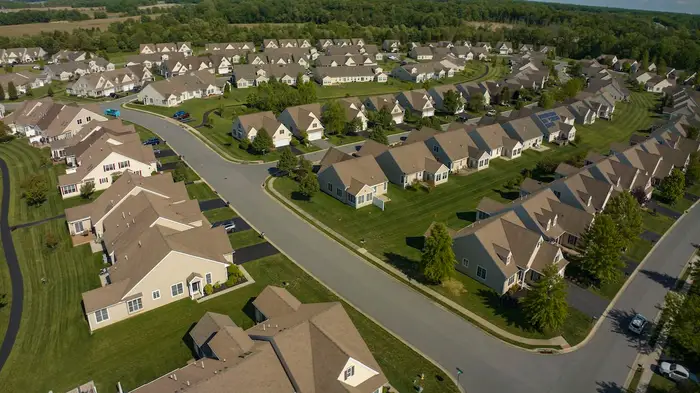
Millennials in the United States are reshaping the housing landscape, influencing lifestyle trends and redefining what homeownership and rental living mean in contemporary society. Economic factors, shifting priorities, and evolving cultural values are driving these new patterns, which have implications for real estate, urban planning, and community development.
Affordability remains a top concern for younger adults. Many millennials face rising property prices, student loan debt, and limited savings, prompting interest in shared living arrangements, co-living spaces, and smaller, more practical homes. Rentals continue to be a preferred option for flexibility, enabling mobility for career opportunities or lifestyle choices.
Flexibility is another hallmark of millennial housing trends. Work-from-home arrangements and remote employment allow young adults to prioritize locations based on quality of life rather than proximity to offices. This has led to increased demand for suburban and smaller urban communities offering amenities, outdoor spaces, and vibrant local culture.
Sustainability plays a significant role in housing decisions. Energy-efficient homes, eco-friendly building materials, and access to renewable energy sources are highly valued. Millennials are also drawn to communities with green spaces, sustainable transit options, and walkable neighborhoods that reduce reliance on personal vehicles.
Community-oriented living is becoming a priority. Shared spaces, communal amenities, and neighborhood engagement are appealing to millennials seeking social connection and collaboration. Co-living setups, cooperative housing, and development projects emphasizing communal interaction are growing in popularity.
Technology integration is influencing housing choices as well. Smart home features, high-speed internet, and app-based property management are increasingly important for convenience and lifestyle optimization. Millennials expect their living spaces to accommodate both professional needs and personal comfort.
Real estate developers and city planners are taking note of these shifts. New construction projects and renovations often incorporate multi-functional spaces, sustainable infrastructure, and design elements that appeal to younger buyers and renters. Marketing strategies highlight lifestyle benefits, community engagement, and long-term value to attract this demographic.
Financial planning also affects decision-making. Millennials are seeking homes or rental arrangements that allow them to balance affordability with lifestyle quality. This includes prioritizing low-maintenance properties, energy savings, and locations with access to public amenities, schools, and transportation options.
In summary, American millennials are driving a transformation in housing lifestyle trends across the United States. Prioritizing affordability, flexibility, sustainability, and community engagement, they are influencing real estate markets, urban development, and cultural perceptions of what it means to create a home in the modern era. These shifts reflect broader social and economic trends shaping the future of living in America.

Jeffrey E. Byrd connects the dots that most people don't even see on the same map. As the founder of Financial-Journal, his reporting focuses on the powerful currents of technology and geopolitics that are quietly reshaping global systems, influence, and power structures.
His work follows the hidden pipelines—where data, defense, finance, and emerging technology intersect. He highlights the players who move behind the curtain: governments, intelligence networks, private security alliances, and digital industries shaping tomorrow's geopolitical terrain.
Jeffrey’s mission is to give readers clarity in a world where complexity is used as strategy.
Read More