


—Fed Rate Cuts Expected, But Are Markets Too Early?
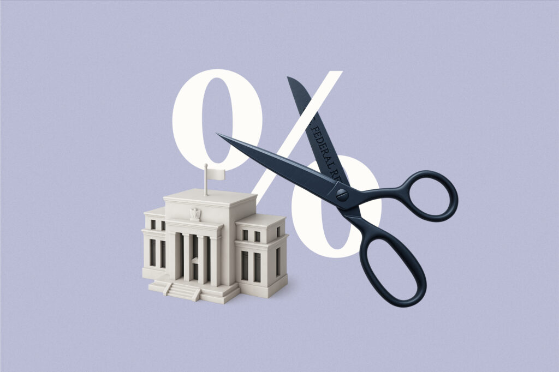
Expectations for Federal Reserve rate cuts have moved from speculation to consensus across financial markets. Softer inflation data, cooling labor indicators, and declining Treasury yields have encouraged investors to price in policy easing sooner rather than later. Yet the growing confidence raises a critical question: are markets getting ahead of the Fed?
Recent CPI readings have reinforced the belief that inflation is moderating. Price pressures have eased from their peaks, and headline figures suggest progress toward the Fed’s long-term targets. This shift has fueled optimism that restrictive policy is no longer necessary, prompting rallies across equities and bonds alike.
However, policymakers have repeatedly cautioned against drawing conclusions from limited data. Inflation remains uneven across sectors, particularly in services tied to wages and housing. While goods prices have stabilized, core components continue to reflect structural pressures that are slower to unwind. This persistence complicates the case for swift rate cuts.
The labor market further blurs the outlook. Employment growth has slowed but remains resilient, and wage gains, while moderating, continue to support consumer spending. From the Fed’s perspective, this resilience reduces urgency. Cutting rates too early risks reigniting inflation before price stability is fully secured.
Markets, by contrast, operate on expectations rather than mandates. Investors respond quickly to marginal improvements, especially after prolonged tightening cycles. Lower yields and easier financial conditions provide immediate relief, supporting risk assets and encouraging capital flows into equities, credit, and emerging markets.
The risk lies in misalignment. When markets price aggressive easing that policymakers do not deliver, volatility tends to rise. Sharp repricing episodes often follow policy statements that emphasize patience or data dependency. This gap between expectation and execution has historically produced sudden market corrections.
Fiscal dynamics add another layer of complexity. Elevated government spending and persistent deficits continue to inject stimulus into the economy. If monetary policy eases while fiscal conditions remain loose, inflationary pressures could re-emerge, undermining the rationale for early cuts.
Global factors also matter. Other central banks face different inflation paths and growth challenges, influencing currency markets and capital flows. Premature U.S. easing could weaken the dollar, affecting import prices and complicating inflation control at home.
For investors, the question is not whether rate cuts will eventually occur, but when. Overconfidence in timing can be costly. Assets that benefit most from lower rates may be vulnerable if expectations shift or policy signals harden. Balanced positioning becomes essential when outcomes remain uncertain.
From the Fed’s perspective, credibility remains paramount. The central bank is unlikely to risk reversing progress by acting too quickly. Officials are focused on sustained trends rather than short-term improvements, aware that policy mistakes at this stage could have lasting consequences.
Ultimately, markets may be right about the direction of policy, but wrong about the pace. Rate cuts are increasingly likely, yet the timing remains uncertain. Until inflation progress proves durable and economic resilience clearly fades, expectations of rapid easing may be premature.
In this environment, caution may serve investors better than conviction. Markets thrive on anticipation, but policy is guided by proof. The tension between the two will shape financial conditions well into the coming year.

Jeffrey E. Byrd connects the dots that most people don't even see on the same map. As the founder of Financial-Journal, his reporting focuses on the powerful currents of technology and geopolitics that are quietly reshaping global systems, influence, and power structures.
His work follows the hidden pipelines—where data, defense, finance, and emerging technology intersect. He highlights the players who move behind the curtain: governments, intelligence networks, private security alliances, and digital industries shaping tomorrow's geopolitical terrain.
Jeffrey’s mission is to give readers clarity in a world where complexity is used as strategy.
Read More