


—Geopolitical Tensions Drive Oil Rally Across Markets
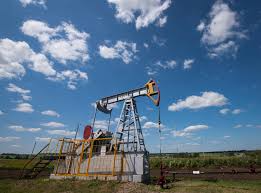
Recent sessions have seen a dramatic increase in oil prices, which is being driven more by growing geopolitical risk than by an increase in demand. Markets are increasingly factoring in the potential for abrupt disruptions to global energy supplies, from key chokepoints to conflict-prone areas. Because transportation and oil production are largely concentrated in areas with a history of political unrest, energy markets are especially vulnerable to geopolitical upheaval. Traders react swiftly to increased instability, frequently raising prices before the physical supply is impacted. The significant cost of being unprepared for supply disruptions is reflected in this cautious pricing. Concerns regarding supply security have been rekindled by recent conflicts in important oil-producing and transit regions. Export terminals, pipelines, and strategic waterways are nevertheless susceptible to disruption from political impasses, sanctions enforcement, or conflict escalation. Because of the delicate balance between worldwide supply and demand, even small accidents can have a significant impact on prices. Market expectations are also being influenced by diplomatic tension and sanctions. Major producers' restrictions on energy exports have decreased spare capacity and made it harder for the market to withstand shocks. The possibility of additional trade restrictions or export restrictions raises oil prices as geopolitical conflicts worsen. A major factor in this dynamic is U.S. policy considerations. Even though American production is still high, U.S. supply is not the only factor influencing global oil prices. Market assessments of future supply availability are influenced by energy diplomacy, foreign policy alignments, and strategic Petroleum Reserve decisions. The rally can only be partially explained by demand-side fundamentals. Gains in consumption are modest, and global growth is still uneven. This discrepancy demonstrates how price momentum is currently being driven by geopolitical worry rather than by strength in consumption. Instead of enthusiasm, markets are reacting to uncertainty. The surge in oil has wider economic ramifications. Transportation expenses, manufacturing inputs, and consumer prices are all impacted by rising energy prices, which contribute to inflation expectations. Resurgent energy-driven inflation risk makes policy decisions more difficult for central banks, particularly given the tenuous state of price stability efforts. The increase in oil is also having an impact on financial markets. Bond markets have modified assumptions for upcoming price pressures, energy stocks have increased, and inflation-sensitive assets have drawn attention. These cross-market responses highlight oil's dual function as a macroeconomic indicator and a commodity. The ramifications are varied for firms and consumers. High oil costs can put a strain on household budgets and business profits, especially in industries that rely heavily on energy. Higher prices also encourage investment in domestic energy generation, which could eventually increase supply resilience. Investors are keeping a careful eye on whether geopolitical uncertainties result in long-term disruption or subside without causing significant harm. History demonstrates that if tensions subside or the supply is unhindered, oil rallies sparked by geopolitical anxiety may swiftly reverse. However, price support usually stays strong when risks continue. In the future, geopolitical issues are likely to continue to have an impact on oil prices. Prices can be quickly moved by military actions, policy pronouncements, and diplomatic signals. Volatility becomes the norm rather than the exception in such a setting. In the end, there is more to the recent oil rise than just market conjecture. It indicates growing anxiety about energy security and world stability. Oil prices will probably have a risk premium that reflects uncertainty rather than just fundamentals as long as geopolitical concerns are not resolved.

Jeffrey E. Byrd connects the dots that most people don't even see on the same map. As the founder of Financial-Journal, his reporting focuses on the powerful currents of technology and geopolitics that are quietly reshaping global systems, influence, and power structures.
His work follows the hidden pipelines—where data, defense, finance, and emerging technology intersect. He highlights the players who move behind the curtain: governments, intelligence networks, private security alliances, and digital industries shaping tomorrow's geopolitical terrain.
Jeffrey’s mission is to give readers clarity in a world where complexity is used as strategy.
Read More