


—American Democracy Faces a Defining Moment for Its Future
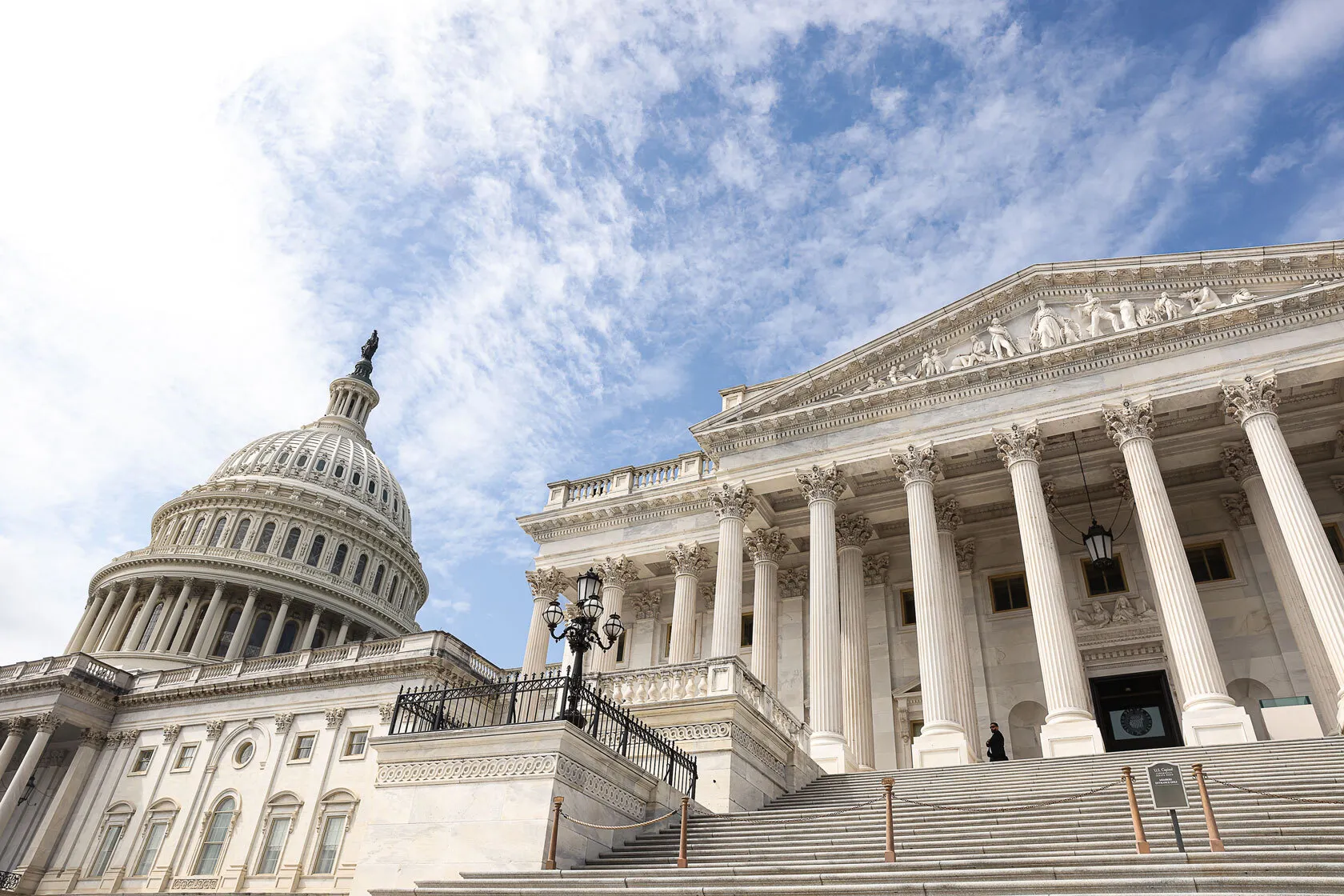
American democracy has faced challenges before, but the current moment feels distinct. Deep polarization, growing skepticism of institutions, and evolving social dynamics are converging in ways that could define the country’s political and social trajectory for years. Understanding the stakes requires looking beyond headlines to the underlying forces shaping the nation.
Trust in institutions, from Congress to the judiciary, has eroded significantly. Voter engagement fluctuates, with some citizens deeply invested and others increasingly disillusioned. Political campaigns often focus on short-term victories rather than long-term civic health. The result is a system that functions, but sometimes feels brittle under stress.
The role of information and media cannot be understated. Americans now consume news across fragmented digital ecosystems, where facts and narratives compete for attention. This environment fosters both empowerment and confusion. While citizens have more access to information than ever before, the ability to discern credible sources has become a critical skill, yet unevenly distributed across the population.
Electoral processes are also under scrutiny. Questions about fairness, accessibility, and transparency persist at local, state, and federal levels. Election security, gerrymandering, and voter suppression are not abstract concepts—they directly influence citizens’ faith in outcomes. When trust in the mechanics of democracy wanes, engagement suffers, and the system’s legitimacy is questioned.
Societal divisions extend beyond politics. Economic inequality, regional disparities, racial and ethnic tensions, and cultural polarization create overlapping pressures on civic cohesion. Democracy relies not only on institutions but on a shared commitment to collective problem-solving. When large segments of the population feel excluded or unheard, the system strains under the weight of unmet expectations.
Yet this turning point also offers opportunities. Americans have repeatedly proven resilient in the face of political and social upheaval. Grassroots movements, innovative civic initiatives, and cross-sector partnerships show that citizens can find ways to participate meaningfully. Strengthening democracy may depend less on institutions alone and more on active, informed engagement at all levels of society.
Leadership, both political and civic, plays a crucial role. Decisions made today about policy, representation, and governance will echo for decades. Accountability, transparency, and a willingness to engage in constructive dialogue are essential to prevent deterioration into cynicism or disengagement.
Technology further complicates the picture. While it has expanded access to information and mobilized communities, it has also amplified polarization and misinformation. Digital platforms can serve as both connectors and divisors. Managing this duality requires thoughtful public policy and citizen awareness alike.
Ultimately, the future of American democracy is not predetermined. Its resilience depends on how citizens, leaders, and institutions respond to contemporary challenges. This moment is both perilous and promising—a chance to address long-standing issues while forging new paths toward inclusion, fairness, and stability.
Decisions made in the coming years will shape public trust, civic engagement, and the legitimacy of governance. America stands at a critical crossroads, and the choices made now could either reinforce democratic principles or deepen existing fractures.

Jeffrey E. Byrd connects the dots that most people don't even see on the same map. As the founder of Financial-Journal, his reporting focuses on the powerful currents of technology and geopolitics that are quietly reshaping global systems, influence, and power structures.
His work follows the hidden pipelines—where data, defense, finance, and emerging technology intersect. He highlights the players who move behind the curtain: governments, intelligence networks, private security alliances, and digital industries shaping tomorrow's geopolitical terrain.
Jeffrey’s mission is to give readers clarity in a world where complexity is used as strategy.
Read More