


—How Safe-Haven Demand Drives Gold and Silver Prices
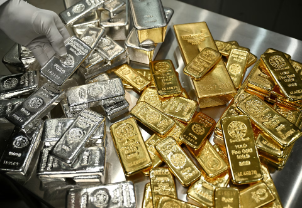
Gold and silver have historically been used as safe-haven investments during turbulent market times. Due to a mix of U.S. economic data, geopolitical tensions, and investor attitude over currency strength and inflation predictions, recent trends indicate a significant inflow of capital into these precious metals. It is essential for both market players and policymakers to comprehend the factors causing this growth. Investor Strategy and Dollar Dynamics As the global reserve currency, the U.S. dollar has a significant impact on the price of gold and silver. These goods are typically more affordable for foreign investors when the currency declines, increasing demand. The dollar has been weakening due to recent disappointing CPI data and tempered expectations of rapid Federal Reserve tightening, which has made precious metals an even more alluring hedge. Portfolios have been reallocated toward gold and silver by both institutional and individual investors, frequently through ETFs, futures contracts, or actual bullion. These movements demonstrate a two-pronged approach: reducing risk from volatile equity and currency markets while simultaneously guarding against possible inflation. Macroeconomic and Geopolitical Factors Global geopolitical tensions have increased the perceived risk of market volatility, including regional conflicts and unpredictability in important energy-producing regions. During these times, investors frequently view precious metals as a reliable store of value. Similarly, the safe-haven attractiveness of gold and silver has been strengthened by macroeconomic concerns, such as slower growth in key economies and trade difficulties. Sector Impact and Market Mechanics Several levels of the market are impacted by the rise in demand for precious metals. ETFs and bullion funds have seen increased volumes, while gold and silver futures prices have increased in reaction to capital inflows. Mining stocks have profited, especially those with substantial exposure to the production of gold and silver. On the other hand, if demand for silver causes price rises, industries that rely significantly on industrial metals, like electronics or car manufacture, may face pricing constraints. A complicated market dynamic is produced by the interaction of demand driven by industry and investment. Behavioral and Psychological Aspects of Investors Safe-haven flows are amplified by psychological reasons. Increased uncertainty leads to herd behavior, which is the aggregate movement of market players into assets that are thought to be stable. Seasonal influences, such as year-end portfolio adjustments, algorithmic trading, and momentum strategies can all amplify these price movements. Additionally, gold and silver are seen as portfolio diversifiers that lessen exposure to bonds and stocks during tumultuous times. They are more appealing during times of economic or geopolitical upheaval because of their historical association with inflation and market stress. Worldwide Consequences Global markets are impacted by the shift toward gold and silver. As capital moves from cash holdings to metals, currency markets respond. The valuation of emerging market economies with gold reserves is adjusted. In order to affect liquidity and interest rates, central banks may also modify reserves in response to market developments and perceived risk. Furthermore, countries that produce and export precious metals may see changes in their trade balances as a result of the increasing demand. Both policymakers and investors keep a careful eye on these patterns to predict changes in macroeconomic risk and market stability. In conclusion The continuous interaction between economic data, geopolitical risk, currency strength, and investor behavior is highlighted by safe-haven flows into gold and silver. Price increases and sectoral effects resulted from investors seeking stability in precious metals as the US currency declined and inflation worries remained. Comprehending these movements is crucial for market players to manage risk, allocate their portfolios, and forecast more general market trends. Gold and silver continue to be more than just commodities; they represent indicators of market confidence and the state of the world economy.

Jeffrey E. Byrd connects the dots that most people don't even see on the same map. As the founder of Financial-Journal, his reporting focuses on the powerful currents of technology and geopolitics that are quietly reshaping global systems, influence, and power structures.
His work follows the hidden pipelines—where data, defense, finance, and emerging technology intersect. He highlights the players who move behind the curtain: governments, intelligence networks, private security alliances, and digital industries shaping tomorrow's geopolitical terrain.
Jeffrey’s mission is to give readers clarity in a world where complexity is used as strategy.
Read More