


—Federal Reserve Signals Shape Investor Inflation Outlook
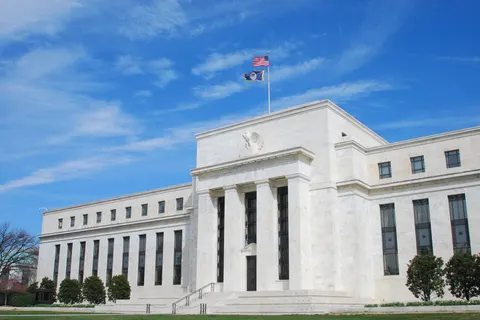
Investors across global financial markets are closely monitoring the Federal Reserve as inflation trends begin to shift, influencing expectations surrounding interest rates, economic growth, and future monetary policy decisions. Changing inflation patterns have become a central focus for businesses, policymakers, and market participants throughout 2026.
Recent economic data suggests that inflation pressures in some sectors may be stabilizing after extended periods of elevated prices. While costs for housing, services, energy, and consumer goods remain important concerns, analysts say there are signs that inflation growth is becoming more moderate in certain areas of the economy.
The Federal Reserve continues to play a crucial role in managing inflation and maintaining economic stability. Policymakers are balancing efforts to control price increases while supporting employment, business activity, and broader economic growth. Every statement and policy signal from the central bank is being closely analyzed by investors seeking clues about future interest rate decisions.
Interest rate expectations remain one of the biggest factors affecting financial markets. Higher rates can help slow inflation by reducing borrowing and spending activity, but they may also increase financing costs for businesses and consumers. Investors are therefore watching carefully for indications about whether the Federal Reserve may maintain, reduce, or further increase rates.
Stock markets have shown mixed reactions as inflation data and Federal Reserve commentary continue to shape market sentiment. Technology, financial, and consumer sectors are particularly sensitive to changes in interest rate expectations due to their reliance on investment activity and borrowing conditions.
Bond markets are also responding to shifting inflation trends. Treasury yields fluctuate as investors adjust expectations regarding future monetary policy. Changes in bond yields can influence mortgage rates, corporate financing costs, and broader investment strategies.
Consumer spending remains a major factor influencing inflation and economic performance. Despite ongoing price concerns, household demand in several sectors has remained relatively strong. Retail activity, travel spending, and digital commerce continue contributing to economic momentum.
Labor market conditions are also being closely monitored. Wage growth and employment levels can influence inflation trends by affecting household purchasing power and business operating costs. Federal Reserve officials continue evaluating labor data as part of broader policy considerations.
Energy prices remain another significant factor in inflation discussions. Fluctuations in oil, gas, and transportation costs can affect inflation across multiple sectors of the economy. Geopolitical developments and supply conditions continue influencing global energy markets.
Businesses are adapting to changing inflation conditions through pricing strategies, operational efficiency improvements, and technology investments. Many companies are using automation and digital systems to reduce costs and maintain profitability in a shifting economic environment.
Investors are increasingly focusing on economic indicators such as consumer price data, employment reports, manufacturing activity, and retail sales. These reports provide insight into the overall health of the economy and influence market expectations regarding Federal Reserve policy.
Global economic conditions are also shaping investor sentiment. International trade patterns, geopolitical tensions, and economic developments in major economies can impact inflation trends and financial market performance in the United States.
Financial analysts note that market volatility often increases during periods of policy uncertainty. Investors continue adjusting portfolios in response to changing inflation expectations and interest rate outlooks. Diversification and risk management remain important strategies in the current environment.
Technology and artificial intelligence sectors continue attracting investment despite uncertainty surrounding monetary policy. Many investors view innovation-driven industries as long-term growth opportunities even during periods of economic adjustment.
The housing market remains sensitive to interest rate movements as mortgage costs influence home affordability and construction activity. Real estate investors and developers are closely following Federal Reserve policy signals as financing conditions evolve.
Policymakers emphasize the importance of maintaining long-term economic stability while managing inflation risks. Clear communication from the Federal Reserve is considered essential for helping markets and businesses prepare for future policy changes.
Experts believe inflation trends may continue evolving throughout 2026 as supply chains stabilize, consumer demand adjusts, and global market conditions change. However, uncertainty remains regarding the pace of inflation moderation and its impact on economic growth.
Businesses and consumers alike are adapting to a more cautious financial environment. Companies are evaluating investment plans carefully, while households continue balancing spending decisions with inflation concerns.
Looking ahead, investors are expected to remain highly focused on Federal Reserve meetings, economic reports, and inflation data releases. Future policy decisions will likely play a major role in shaping market direction and economic confidence.
In conclusion, investors are closely monitoring the Federal Reserve as shifting inflation trends influence economic expectations and financial markets. The balance between controlling inflation and supporting growth will remain one of the defining challenges for policymakers and investors throughout 2026.

Jeffrey E. Byrd connects the dots that most people don't even see on the same map. As the founder of Financial-Journal, his reporting focuses on the powerful currents of technology and geopolitics that are quietly reshaping global systems, influence, and power structures.
His work follows the hidden pipelines—where data, defense, finance, and emerging technology intersect. He highlights the players who move behind the curtain: governments, intelligence networks, private security alliances, and digital industries shaping tomorrow's geopolitical terrain.
Jeffrey’s mission is to give readers clarity in a world where complexity is used as strategy.
Read More