


—U.S. Border Agents Investigate Human Smuggling Operation
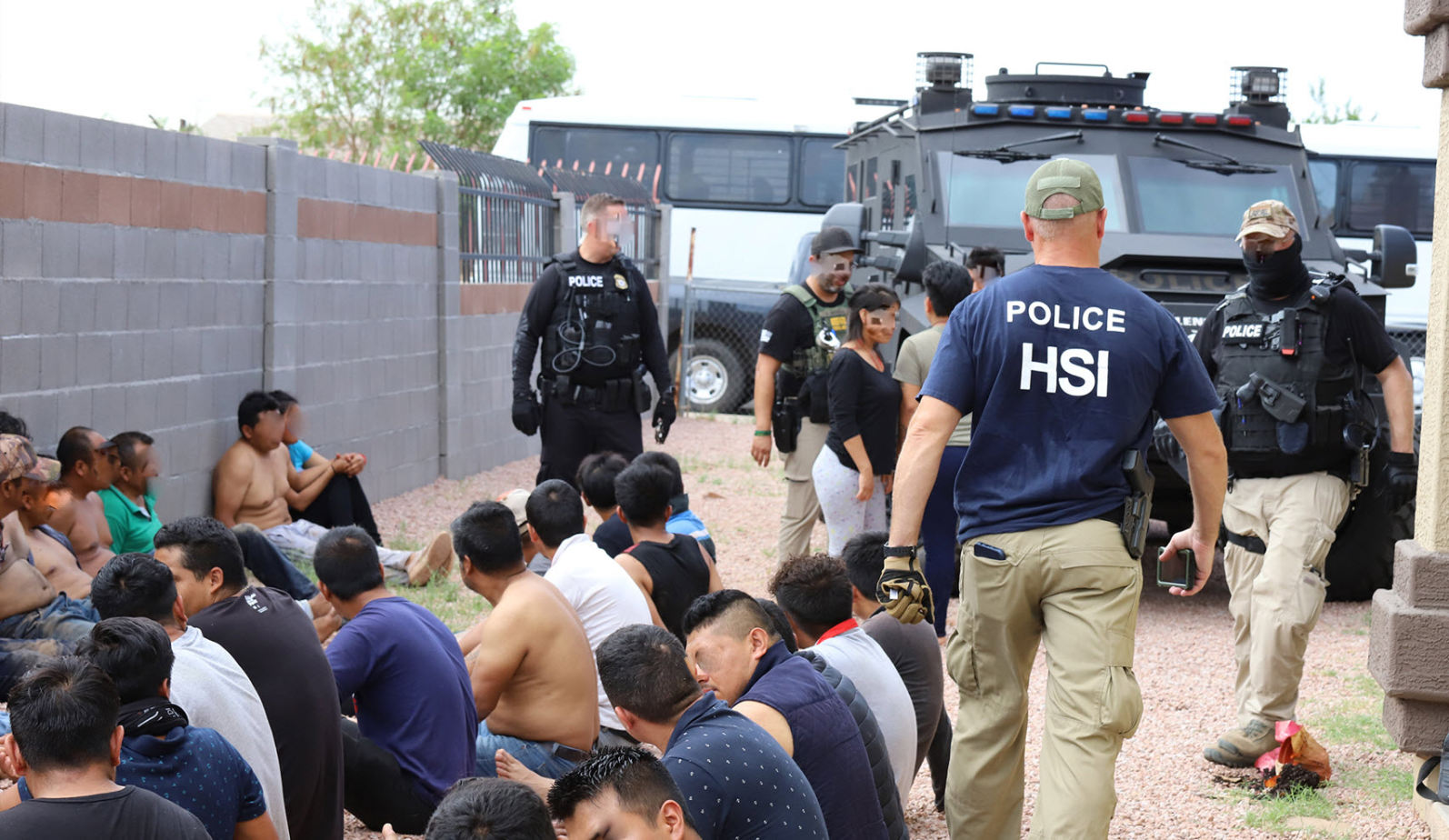
U.S. border officials have intensified their investigation into a sophisticated human smuggling network believed to be operating across several border states. The probe, which involves federal agencies, local police units, and international partners, aims to dismantle a criminal organization responsible for transporting migrants illegally into the United States. Authorities say this network has expanded rapidly over the past year, exploiting vulnerable individuals seeking entry into the country.
According to sources familiar with the investigation, the smuggling ring relies on a series of transportation hubs spread across remote areas along the southern border. These hubs serve as staging points where migrants are gathered, processed, and moved at night to avoid detection. Officials indicate that smugglers often demand high fees from migrants, subjecting them to dangerous travel conditions with limited access to food, water, and medical support. The situation has prompted serious concerns due to the rising number of health emergencies and fatalities linked to unsafe transport vehicles.
Investigators revealed that the smuggling network uses encrypted communication apps, unmanned routes, and corrupt intermediaries to bypass border enforcement. In some cases, smugglers allegedly collaborate with small criminal gangs on both sides of the border, extending the operation’s reach into major U.S. cities. Law enforcement believes that financial transactions linked to these activities move through shell companies, making it difficult to track payments or identify key organizers.
In response to the growing threat, U.S. Customs and Border Protection (CBP) has increased surveillance along high-risk corridors. Enhanced monitoring includes drone patrols, nighttime thermal imaging, and joint operations with federal agencies such as Homeland Security Investigations (HSI). Officials say these measures have already helped identify patterns in smuggling routes and intercept several vehicles carrying migrants in unsafe conditions.
Government authorities have emphasized that the investigation also focuses on holding organizers accountable—not just low-level transporters. CBP officials noted that many drivers involved in these operations are recruited under false promises of quick money, unaware of the severe criminal penalties associated with human smuggling. Meanwhile, the leaders of the network remain elusive, prompting a broader international cooperation effort with law enforcement agencies in Mexico and Central America.
Local communities near border regions have raised concerns about the growing scale of smuggling activities. Many residents report frequent vehicle abandonments, property damage, and heightened risks from reckless drivers attempting to evade authorities. Community groups and volunteers working with migrants have also highlighted the humanitarian aspect of the crisis, urging the government to expand safe and legal migration pathways.
As the investigation continues, officials warn that dismantling a network of this size will require time, coordination, and advanced intelligence gathering. However, they remain confident that ongoing efforts will eventually disrupt the smuggling chain and lead to the arrest of the individuals orchestrating this operation. The federal government is expected to release more details in the coming weeks as the probe advances and more arrests are made.
The case underscores the complexity of human smuggling operations and the growing challenges faced by U.S. border agencies. With increasing migration pressures and evolving smuggling tactics, federal authorities stress the need for modernized surveillance tools, cross-border coordination, and stronger legal frameworks to effectively combat these criminal networks.

Jeffrey E. Byrd connects the dots that most people don't even see on the same map. As the founder of Financial-Journal, his reporting focuses on the powerful currents of technology and geopolitics that are quietly reshaping global systems, influence, and power structures.
His work follows the hidden pipelines—where data, defense, finance, and emerging technology intersect. He highlights the players who move behind the curtain: governments, intelligence networks, private security alliances, and digital industries shaping tomorrow's geopolitical terrain.
Jeffrey’s mission is to give readers clarity in a world where complexity is used as strategy.
Read More