


—Living Costs Back in Focus After Latest U.S. Inflation Update
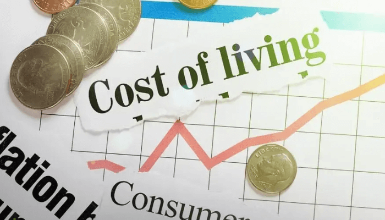
Due to recent U.S. inflation data that has highlighted the challenges faced by consumers across the country, living expenses are once again at the forefront of economic and public discourse. Data from the Consumer Pricing Index (CPI) shows that persistent, if mild, pricing pressures on products and services have an effect on Americans' daily spending and long-term financial planning. Spending by Consumers and Household Budgets As inflation continues to affect needs like groceries, power, housing, and healthcare, households are adjusting by altering their spending habits. The fact that many families are delaying luxury purchases while giving priority to needs shows that they are practicing frugal spending. Analysts note that even small increases in the cost of staples can have a significant impact on lower- and middle-class households since a larger percentage of their income is spent on necessities. Consumer confidence, a key economic indicator, is still vulnerable to inflation predictions, despite recent improvements. As price patterns shift, people reassess their ability to spend on non-essential things, which impacts the retail, leisure, and service sectors. This shift immediately affects businesses that rely on discretionary consumer spending, requiring adjustments to pricing, promotions, and inventory planning. Costs of Housing and Energy Housing and energy costs continue to be the main factors influencing household inflation experiences. Recent data shows minor changes in energy costs, gas prices, and rental rates. The country is affected unevenly, with some regions benefiting from lower energy costs while others are still paying excessive costs. Renters and homebuyers are particularly susceptible to fluctuations in mortgage rates and rental costs, which influence their decisions on long-term financial obligations, leases, and real estate purchases. Retail and consumer goods Retailers are closely monitoring these trends since they affect the demand for both luxury and basics. Grocery chains, big-box retailers, and businesses that sell necessities for consumers adjust their advertising and pricing strategies to maintain consumer interest. When households spend more on necessities than non-essentials, sales of gadgets, apparel, and leisure goods are also impacted. Medical Services and Care The expense of healthcare, which includes prescription drugs, medical services, and insurance premiums, continues to be a concern for many families. Increasing costs may influence decisions about insurance coverage, preventive care, and elective surgeries. Changes in household finances brought on by inflation awareness are reflected in shifts in demand in service sectors like dining and travel. Behavioral and Economic Repercussions The economy responds to inflation in a complicated way. Some people increase their savings to guard against future price increases, while others use loans to maintain their current levels of spending. This paradox has an impact on sector-specific performance and uneven economic growth, according to analysts. In order to forecast consumer demand and implement supportive policies, both businesses and politicians monitor these trends. Framework for Global and Policy U.S. inflation trends are closely watched outside because foreign commerce and investment are impacted by currency strength, interest rates, and pricing expectations. Policymakers, including the Federal Reserve, consider household living cost information when determining interest rate policy, wage growth projections, and fiscal measures. Financial planning and policymaking are difficult due to the interaction between the nation's cost of living and the status of the global economy. To sum up According to the most recent U.S. inflation figures, living expenses continue to play a major effect in household decision-making and overall economic performance. Even though mild inflation may reduce certain pressures, ongoing unpredictability calls for prudent budgeting, adaptable company plans, and vigilant policy monitoring. Despite pricing swings, the nation's households, businesses, and politicians are still trying to find a balance between immediate needs and long-term economic stability.

Jeffrey E. Byrd connects the dots that most people don't even see on the same map. As the founder of Financial-Journal, his reporting focuses on the powerful currents of technology and geopolitics that are quietly reshaping global systems, influence, and power structures.
His work follows the hidden pipelines—where data, defense, finance, and emerging technology intersect. He highlights the players who move behind the curtain: governments, intelligence networks, private security alliances, and digital industries shaping tomorrow's geopolitical terrain.
Jeffrey’s mission is to give readers clarity in a world where complexity is used as strategy.
Read More