


—How U.S. Bond Markets Moved After Soft CPI Data
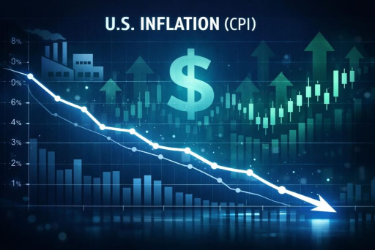
After the most recent consumer pricing data revealed that inflation was slowing more than anticipated, U.S. bond markets moved swiftly. Expectations that the Federal Reserve may be reaching the conclusion of its tightening cycle were strengthened by the decrease in Treasury rates across the curve. The message of the bond market, however, is more subdued than headlines indicate. The response seemed simple enough at first look. Investors shifted toward longer-dated Treasurys as a result of a weaker CPI data, which allayed immediate fears about inflation. The action increased equity sentiment, reduced borrowing rates, and reignited interest in possible rate decreases later in 2026. But optimism alone rarely drives a surge in bond markets. In the past, declining rates after inflation shocks frequently indicate concerns about the economy's momentum rather than faith in a robust expansion. It doesn't seem any different this time. The yield curve in the US is still warning of caution. Longer-term rates have stayed largely stable, while short-term yields have decreased due to anticipations of future Fed easing. This implies that while investors think inflation pressures are abating, they do not think GDP will significantly pick up speed. In terms of sentiment, the bond market is showing relief rather than joy. Although investors are relieved that inflation is slowing down, they are still unsure if the current trend of disinflation will last. Policymakers continue to face difficulties with wage growth, inflation in services, and housing expenses. Now, the Federal Reserve has a limited course. While keeping rates high for an extended period of time runs the danger of excessively tightening financial conditions, cutting rates too soon could rekindle inflation expectations. Bond investors seem to be placing a wager that the Fed will exercise caution and put credibility ahead of market pressure. Fiscal reality is another factor influencing U.S. bond movements. Expectations for longer-term yields are still influenced by significant federal deficits and rising Treasury issuance. Investors continue to be aware that supply pressures are still present even if short-term rates decline. This restricts the amount of yield decline that may be sustained. Another factor was market positioning. With cash and short-term assets, many institutional investors went into December on a defensive stance. Price changes were amplified by the chance to reallocate into Treasurys presented by the CPI surprise. A change in long-term conviction is not always reflected in that technical component. Crucially, bonds have not been as enthusiastically followed by credit markets. The cautiousness of corporate spreads indicates that investors are still factoring in economic risk. The idea that bond market optimism is conditional is supported by this disparity. Lower rates offer short-term help to equities investors, especially in rate-sensitive industries. But it's important to pay attention to the bond market's underlying message. Strong Treasury rallies motivated by inflation relief have historically tended to happen later in the economic cycle rather than at the beginning of a fresh expansion phase. The general conclusion is evident: American bond markets are expressing patience. Although inflation is improving, confidence is still shaky. Investors are keeping a close eye on Fed communications, consumer spending patterns, and impending labor statistics. Bond market optimism is likely to stay cautious rather than confident until inflation exhibits consistent reduction without deteriorating economic fundamentals. The rally is not a statement of victory, but rather a pause in the pressure.

Jeffrey E. Byrd connects the dots that most people don't even see on the same map. As the founder of Financial-Journal, his reporting focuses on the powerful currents of technology and geopolitics that are quietly reshaping global systems, influence, and power structures.
His work follows the hidden pipelines—where data, defense, finance, and emerging technology intersect. He highlights the players who move behind the curtain: governments, intelligence networks, private security alliances, and digital industries shaping tomorrow's geopolitical terrain.
Jeffrey’s mission is to give readers clarity in a world where complexity is used as strategy.
Read More