


—White House Under Pressure as Budget Talks Stall in Congress
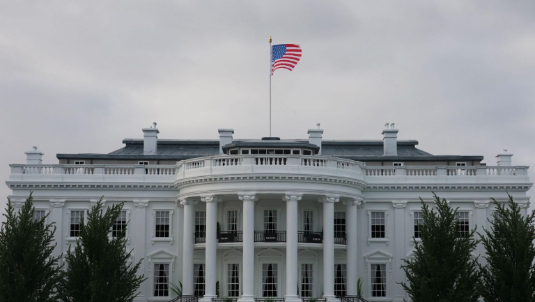
As Congress's budget talks continue to stagnate and lawmakers are unable to overcome their profound disagreements over federal spending priorities, the White House is coming under mounting political and economic pressure. Concerns are mounting in Washington and elsewhere that a protracted standoff might impair government operations and undermine investor confidence as the impasse continues. Senior administration officials have cautioned that the federal government could be closer to another shutdown situation if nothing is done. Both sides are firmly entrenched, blaming one another for the deadlock and providing little sign of a breakthrough in the foreseeable future as conversations continue behind closed doors. Disagreements about defense budgets, domestic initiatives, and discretionary expenditure levels are at the core of the conflict. Republicans have argued that fiscal discipline is required in light of the growing national debt, and they have advocated for stricter spending ceilings and more significant cuts to non-defense programs. Democrats, on the other hand, have opposed plans that they claim will jeopardize social safety nets and public services, stating that any budget agreement must preserve important programs. As deadlines draw near, the White House is coming under increasing political pressure. Federal agencies are already developing backup plans in case legislators do not take action as funding provisions are about to expire. Officials argue that these preparations highlight the gravity of the issue and the possible repercussions for millions of federal employees and contractors. Financial markets are also paying careful attention to the budget deadlock outside of Washington. Investors' sensitivity to policy uncertainty has increased, especially during a period when the overall economy is declining. A protracted budget battle, according to analysts, could undermine company confidence and postpone investment choices, exacerbating already-existing economic difficulties. International partners are also keeping a close eye on developments. Frequent budget showdowns have sparked doubts overseas regarding the dependability of American leadership, especially given the precarious state of the world economy. According to diplomats, Washington's budgetary volatility can make it more difficult to coordinate policies with allies on a larger scale. By highlighting its willingness to engage in negotiations and urging Congress to take responsible action, the White House has attempted to convey confidence. Although officials admit that political forces on Capitol Hill have made consensus challenging, they maintain that compromise is still achievable. It is anticipated that pressure would increase on all sides as the standoff goes on. Legislators are under growing pressure to reach an agreement before the budget impasse has real repercussions for the government and the economy as a whole, as economic risks and public annoyance rise.

Jeffrey E. Byrd connects the dots that most people don't even see on the same map. As the founder of Financial-Journal, his reporting focuses on the powerful currents of technology and geopolitics that are quietly reshaping global systems, influence, and power structures.
His work follows the hidden pipelines—where data, defense, finance, and emerging technology intersect. He highlights the players who move behind the curtain: governments, intelligence networks, private security alliances, and digital industries shaping tomorrow's geopolitical terrain.
Jeffrey’s mission is to give readers clarity in a world where complexity is used as strategy.
Read More