


—Puerto Rico Bribery Scandal: Former Governor Back in Headlines
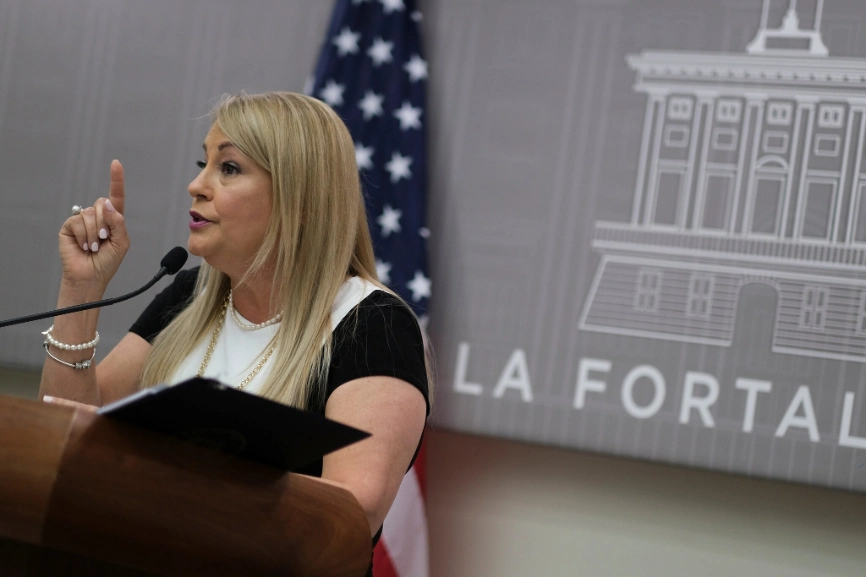
Former Governor Wanda Vázquez of Puerto Rico has returned to the political spotlight as a bribery scandal continues to unfold, drawing attention from the media, political analysts, and the public. The renewed scrutiny emphasizes ongoing concerns about transparency and ethical standards in Puerto Rico’s government.
Investigators are reviewing financial records, communications, and official documents to determine whether any improper influence, bribery, or political favors were involved during her tenure. While authorities have not released all details, preliminary reports suggest the investigation may involve multiple individuals and financial transactions linked to political decision-making.
Political scandals involving high-ranking officials often have broad implications for public trust. Allegations of bribery can affect public perception of government institutions, influence policy debates, and impact the credibility of political leadership, even before formal charges are filed.
Bribery investigations require thorough and careful analysis. Authorities must establish that a financial incentive, gift, or other benefit was directly linked to specific political decisions or actions. This involves reviewing bank records, emails, contracts, and other documentation, as well as interviewing witnesses. The process is often lengthy and complex.
Puerto Rico has faced several high-profile corruption and bribery cases in recent years, each sparking public discussions about governance, accountability, and the need for stronger ethical oversight. The current investigation involving a former governor underscores the ongoing importance of institutional transparency and public confidence in government.
Legal experts emphasize that individuals linked to investigations are presumed innocent until proven guilty in court. Authorities must gather and verify evidence carefully to determine whether formal charges are warranted. Upholding due process ensures fairness and protects the integrity of the legal system.
Public reaction has been significant. Civic organizations, journalists, and political analysts have urged transparency and impartiality in the investigation. Many argue that ensuring accountability is critical not only for the individuals involved but also for the broader political system, which relies on public trust.
Analysts also note that allegations against high-profile officials can have lasting effects on political discourse, elections, and policymaking. The situation has reignited debates about ethical governance, oversight mechanisms, and the prevention of corruption in Puerto Rico.
Federal and local authorities are coordinating their review of records and communications, reflecting Puerto Rico’s unique political and legal framework as a U.S. territory. Cases of this nature often involve multiple agencies working together to ensure a comprehensive and legally sound investigation.
As the investigation unfolds, residents and political observers are closely monitoring developments. Regardless of whether the inquiry leads to formal charges or clarifies the facts behind the allegations, the renewed focus on former Governor Vázquez highlights the continued importance of ethical governance and institutional accountability.
For citizens, maintaining confidence in political institutions depends on how authorities handle corruption allegations. Transparent, fair, and thorough investigations reinforce trust in public officials and the systems that govern political conduct in Puerto Rico.

Jeffrey E. Byrd connects the dots that most people don't even see on the same map. As the founder of Financial-Journal, his reporting focuses on the powerful currents of technology and geopolitics that are quietly reshaping global systems, influence, and power structures.
His work follows the hidden pipelines—where data, defense, finance, and emerging technology intersect. He highlights the players who move behind the curtain: governments, intelligence networks, private security alliances, and digital industries shaping tomorrow's geopolitical terrain.
Jeffrey’s mission is to give readers clarity in a world where complexity is used as strategy.
Read More