


—Puerto Rico Records Tourism and Business Growth
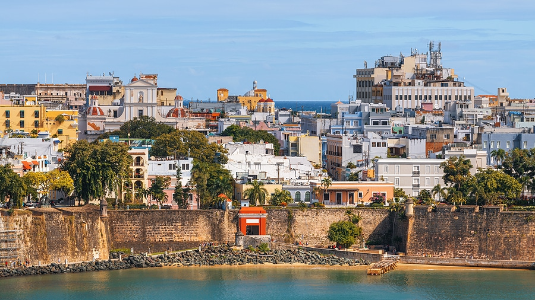
Puerto Rico is experiencing continued growth in tourism and business development as rising visitor activity and expanding investments contribute to stronger economic momentum across the island. Industry leaders and government officials say the positive trend reflects increasing confidence in Puerto Rico’s long-term economic potential and its growing role as a regional business and tourism hub.
Tourism remains one of the strongest drivers of economic activity in Puerto Rico. The island continues to attract travelers with its beaches, historic landmarks, cultural attractions, and vibrant hospitality sector. Increased flight connectivity and expanding tourism campaigns have helped boost visitor numbers from both the mainland United States and international markets.
Hotels, resorts, and short-term rental businesses are reporting stronger occupancy levels as travel demand remains high. New hospitality projects are also being developed to accommodate growing numbers of visitors, particularly in popular tourism areas including San Juan and coastal destinations across the island.
The growth in tourism is creating ripple effects throughout the local economy. Restaurants, retail stores, transportation providers, and entertainment businesses are benefiting from increased consumer spending by travelers. Small businesses, in particular, are seeing greater opportunities as tourism-related demand expands.
Business development activity is also increasing across multiple sectors. Investments in infrastructure, technology, finance, and real estate are contributing to broader economic growth and helping diversify Puerto Rico’s economy. Companies are exploring opportunities tied to logistics, renewable energy, manufacturing, and digital services.
Government initiatives aimed at encouraging investment are playing an important role in this expansion. Incentive programs, tax benefits, and regulatory reforms are helping attract both domestic and international businesses looking to establish operations in Puerto Rico.
Technology and innovation sectors are becoming increasingly important to the island’s economic strategy. Startups and digital-focused companies are expanding in urban business centers, while local institutions are working to support entrepreneurship and workforce development.
Infrastructure improvements are supporting both tourism and business growth. Upgrades to airports, roads, ports, and telecommunications systems are helping improve connectivity and efficiency across the island. These developments are viewed as essential for maintaining long-term economic competitiveness.
The real estate sector is also seeing increased activity as demand rises for residential, commercial, and tourism-related properties. Investors continue to show interest in development projects tied to hospitality, mixed-use communities, and business expansion.
Employment opportunities are improving in sectors linked to tourism and development. Hospitality, construction, transportation, and professional services industries are contributing to job creation and economic participation. Increased hiring activity is helping support household income and local spending.
Sustainability has become a growing focus as Puerto Rico expands tourism and business development efforts. Environmental protection, renewable energy investments, and responsible tourism practices are being promoted to ensure long-term economic and ecological balance.
Economic analysts note that Puerto Rico’s strategic geographic location continues to strengthen its importance in Caribbean commerce and regional trade. Businesses looking for access to both U.S. and Latin American markets increasingly view the island as an attractive operational base.
Despite the positive momentum, challenges remain. Rising operational costs, infrastructure vulnerabilities, and global economic uncertainty continue to affect businesses and development planning. Experts emphasize the importance of maintaining stable policies and sustainable investment strategies.
The growth in tourism and business activity is also encouraging stronger collaboration between public and private sectors. Partnerships focused on economic development, workforce training, and infrastructure modernization are becoming increasingly common.
Financial institutions are responding to the improving economic outlook by supporting lending and investment activity. Access to capital remains important for entrepreneurs and companies seeking expansion opportunities across the island.
International attention on Puerto Rico’s economic progress has increased as investors monitor signs of recovery and long-term stability. Continued development could further strengthen confidence in the island’s economic future.
Looking ahead, tourism and business leaders expect growth to continue if investment momentum remains strong and infrastructure improvements progress as planned. Additional development projects and tourism initiatives are expected in the coming years.
The broader impact of this expansion extends beyond tourism revenue and business profits. Increased economic activity can support public services, strengthen local communities, and improve long-term opportunities for residents.
In conclusion, Puerto Rico’s rise in tourism and business development highlights the island’s evolving economic landscape. Through continued investment, infrastructure improvements, and growing visitor demand, Puerto Rico is positioning itself for sustained economic growth and regional competitiveness.

Jeffrey E. Byrd connects the dots that most people don't even see on the same map. As the founder of Financial-Journal, his reporting focuses on the powerful currents of technology and geopolitics that are quietly reshaping global systems, influence, and power structures.
His work follows the hidden pipelines—where data, defense, finance, and emerging technology intersect. He highlights the players who move behind the curtain: governments, intelligence networks, private security alliances, and digital industries shaping tomorrow's geopolitical terrain.
Jeffrey’s mission is to give readers clarity in a world where complexity is used as strategy.
Read More