


—US Political Spotlight Turns to Puerto Rico Corruption Case
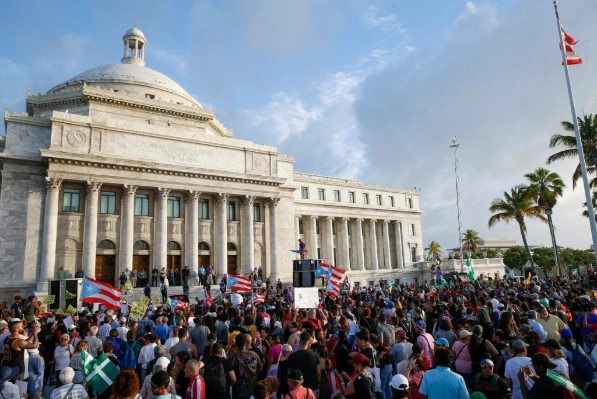
A major corruption case in Puerto Rico has drawn attention beyond the island, placing the situation under scrutiny from U.S. political observers. Federal and local authorities are investigating allegations of bribery and improper influence involving political figures, raising questions about transparency and accountability in government.
Officials familiar with the case say investigators are examining financial records, communication logs, and the relationships between individuals connected to the alleged wrongdoing. While details remain limited, the probe has prompted heightened discussion about the integrity of political decision-making in Puerto Rico.
Corruption investigations of this nature are complex and require careful legal review. Prosecutors must demonstrate a direct link between financial incentives and specific political actions, often relying on documentation, witness testimony, and other forms of evidence to build a comprehensive understanding of the case.
The spotlight on Puerto Rico reflects both local concerns and broader U.S. interest in governance on the island. As a U.S. territory, Puerto Rico’s political and legal structures are closely tied to federal oversight, meaning that cases involving corruption can attract national attention and influence public discourse across multiple jurisdictions.
Over the past decade, Puerto Rico has experienced a series of political scandals and corruption probes. Each has contributed to ongoing debates about ethical governance, accountability, and institutional transparency. The current investigation continues that trend, highlighting the challenges of ensuring integrity in political leadership.
Legal experts emphasize the importance of allowing investigators to follow due process without undue political pressure. Allegations alone do not constitute proof of wrongdoing, and those involved are legally presumed innocent unless evidence presented in court confirms criminal conduct.
Public reaction to the case has been widespread. Civic groups, journalists, and political analysts have called for transparency and impartiality as investigators continue their work. Many observers stress that ensuring accountability is critical not only for the individuals involved but also for the credibility of the island’s democratic institutions.
Political analysts also note that corruption investigations often have implications beyond the immediate parties. Cases like this can influence public confidence, shape electoral dynamics, and impact how government decisions are perceived by both local residents and national audiences.
The Puerto Rico case serves as a reminder of the broader challenges of governance in U.S. territories. Issues of oversight, financial transparency, and political accountability remain central to public debate, particularly in situations where high-profile officials may be implicated.
Investigators have indicated that the review process will be thorough and methodical. This includes examining years of financial activity, reviewing communications, and corroborating evidence through multiple sources. Only after such a detailed review can authorities determine whether sufficient evidence exists to pursue formal charges.
Meanwhile, media coverage continues to keep the story in the public eye, highlighting the potential ramifications for both local and federal political discourse. Observers suggest that the case could influence reforms in ethical guidelines, oversight measures, and transparency policies within Puerto Rico’s political system.
As the investigation progresses, residents and political observers alike will be watching closely. Regardless of the eventual outcome, the case underscores the ongoing importance of maintaining strong institutions capable of enforcing accountability and ethical governance.
For many in Puerto Rico and beyond, the controversy represents a test of both legal processes and public trust. Ensuring that investigations are handled thoroughly, transparently, and fairly is seen as essential for reinforcing confidence in government leadership and democratic practices.

Jeffrey E. Byrd connects the dots that most people don't even see on the same map. As the founder of Financial-Journal, his reporting focuses on the powerful currents of technology and geopolitics that are quietly reshaping global systems, influence, and power structures.
His work follows the hidden pipelines—where data, defense, finance, and emerging technology intersect. He highlights the players who move behind the curtain: governments, intelligence networks, private security alliances, and digital industries shaping tomorrow's geopolitical terrain.
Jeffrey’s mission is to give readers clarity in a world where complexity is used as strategy.
Read More