


—U.S. Policy Shifts Reshape Global Trade Talks With Allies
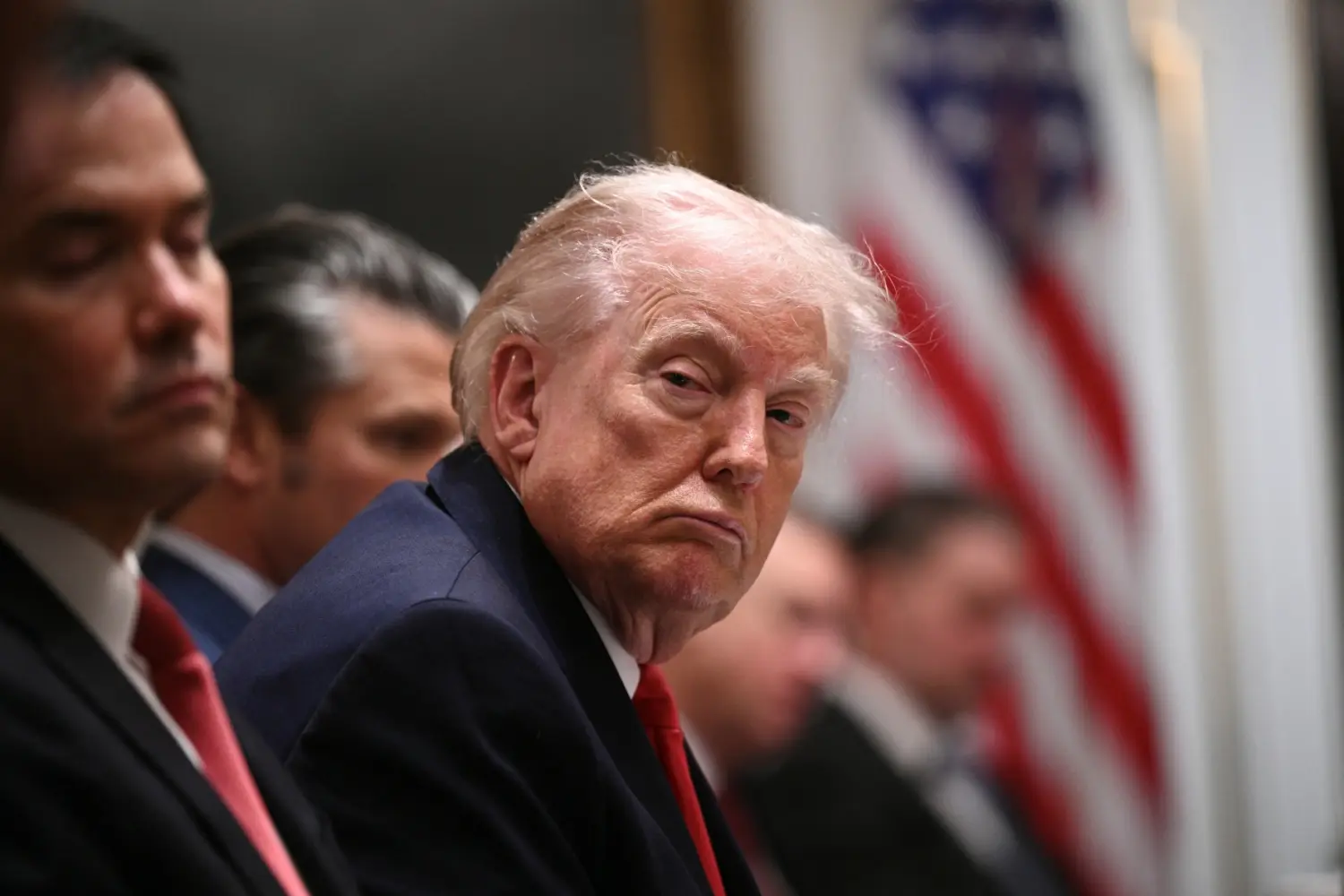
International allies are keeping a careful eye on a number of changing U.S. policy choices that are starting to change the focus and tenor of trade talks. Washington's shifting position on everything from supply-chain security to industry subsidies and tariff policies is making it abundantly evident that established trade frameworks may soon need to be reevaluated. The United States' renewed focus on domestic manufacturing, economic resiliency, and strategic rivalry lies at the heart of these trends. Allies are reevaluating the potential course of future trade accords with Washington in light of recent policy changes, which range from increased incentives for domestic businesses to stricter curbs on vital imports. Partners in Europe, Asia, and the Americas are considering the wider ramifications of these actions, even if U.S. officials have presented them as essential to safeguarding national interests. According to trade diplomats, the change does not necessarily indicate a turn away from international collaboration but rather a reorientation of objectives. The United States has progressively connected trade policy to labor standards, national security, and climate goals. Negotiations have become more complex as a result of this strategy since allies now have to strike a compromise between divergent domestic political and regulatory frameworks and shared economic objectives. U.S. subsidy initiatives to support innovative manufacturing and sustainable energy, for instance, have raised worries about competitive asymmetries, which European Union officials are actively monitoring. Although there is widespread agreement on climate goals, European leaders have cautioned that if unilateral incentives are not properly coordinated, they could distort markets and disrupt transatlantic trade relations. Longstanding U.S. allies in Asia are also adjusting to the new policy environment. Nations that are heavily involved in international supply chains are looking for clarification on Washington's long-term trade strategy, specifically with relation to market access, semiconductor regulations, and technology exports. Many governments exercise caution, seeking to maintain economic relations with the United States while steering clear of policies that would impede regional commerce or incite retaliation. In contrast, developing economies perceive both possibilities and hazards. On the one hand, entrance barriers may increase as a result of stricter trade regulations and compliance requirements. Conversely, initiatives to diversify supply chains away from densely populated hubs can create new opportunities for exports and investment. The difficulty for these nations is to be competitive in a more fragmented global economy while negotiating changing regulations. The upcoming months will be crucial, according to analysts. Allies will be expecting Washington to be consistent and transparent as formal negotiations progress and policy details become more apparent. They contend that during a time of economic uncertainty, clear communication will be crucial to avoiding misunderstandings and guaranteeing the stability of commercial partnerships. Despite the cautious tone, it is acknowledged that, with careful management, policy realignments can improve collaborations. Numerous partners have shown a desire to have more in-depth discussions on common issues including sustainable development, digital trade, and supply-chain resilience. The result will probably rely on how adaptably American leaders strike a balance between their own objectives and those of their foreign allies. The stakes are high as inflation, geopolitical tensions, and slowing GDP put increasing strain on global trade. Allies are not just watching changes in U.S. policy; they are getting ready to react, adjust, and, if feasible, help Washington define the next round of international trade negotiations.

Jeffrey E. Byrd connects the dots that most people don't even see on the same map. As the founder of Financial-Journal, his reporting focuses on the powerful currents of technology and geopolitics that are quietly reshaping global systems, influence, and power structures.
His work follows the hidden pipelines—where data, defense, finance, and emerging technology intersect. He highlights the players who move behind the curtain: governments, intelligence networks, private security alliances, and digital industries shaping tomorrow's geopolitical terrain.
Jeffrey’s mission is to give readers clarity in a world where complexity is used as strategy.
Read More