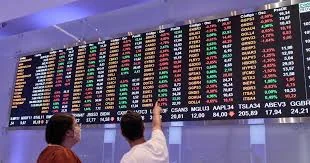



São Paulo: Brazil's main stock index, the Ibovespa, closed the April 14, 2026 session at 198,657 points, just 678 points short of the symbolic 200,000 threshold, a level it has never reached in nominal terms and which would become a historic milestone for the Brazilian financial market.
The index accumulated 11 consecutive sessions of gains up to that date, driven by a combination of external and internal factors. Externally, dollar weakness and high oil prices benefited exporting companies like Petrobras and Vale. Internally, better-than-expected employment data and signals from the Central Bank that the rate-hiking cycle could be nearing its end cheered investors.
Market Analysis
Market analysts note that the 200,000-point level has significant psychological importance, making it likely to generate profit-taking in the short term. However, most maintain a positive outlook for the year given the attractiveness of low valuations compared to developed markets and favorable carry trade.
The iShares Latin America 40 ETF, which replicates the performance of the region's leading stocks, has accumulated a 22% gain year-to-date in 2026, far above the negative return of the S&P 500, which is down about 9% in the same period. This performance gap has accelerated the rotation of capital from US technology stocks toward Latin American equities.
Outlook for the Rest of the Year
With the November presidential elections as the main domestic political variable, the Brazilian market will remain closely attentive to polls and the economic proposals of the candidates. The expectation that the Central Bank may begin cutting rates in the second half of 2026 represents an additional catalyst for the market, as it would reduce the cost of capital and stimulate investment in lagging sectors like infrastructure and discretionary consumption.