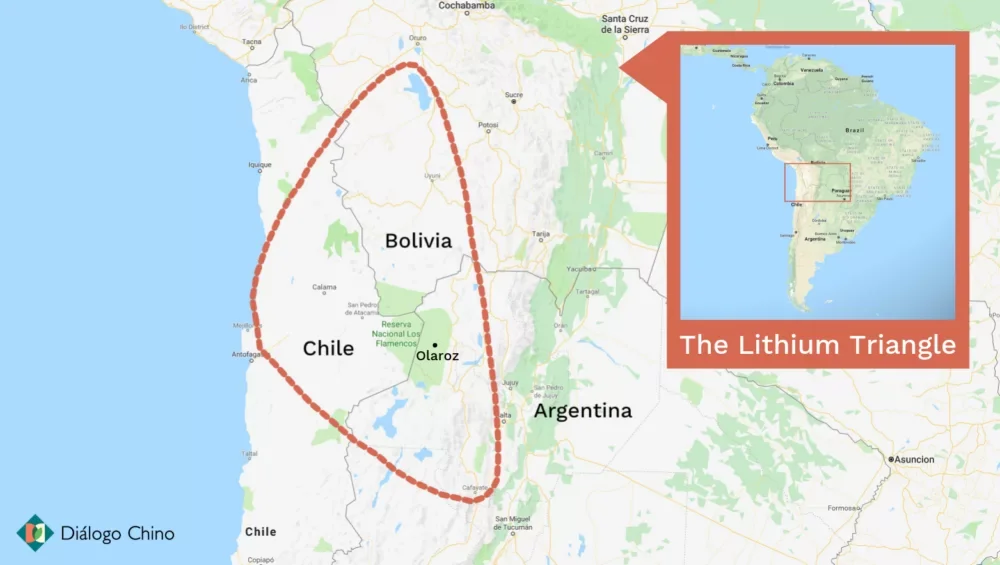



Buenos Aires: The so-called lithium triangle, formed by Argentina, Bolivia, and Chile, which together hold more than 60% of the world's reserves of this essential mineral for the global energy transition, is at the center of the most relevant geopolitical negotiations of 2026. The acceleration of demand for electric vehicles and large-scale batteries has made lithium one of the most strategic resources of the 21st century.
Argentina leads production expansion, with nine lithium mining projects at different stages of review and development. The Milei government has simplified procedures for granting concessions and offers favorable fiscal conditions to attract foreign investment. Companies from China, Japan, South Korea, and the United States are actively competing to access Argentine reserves.
The Bolivian Case
Bolivia possesses the world's largest individual lithium deposit, the Salar de Uyuni, but its development has been slower due to the government's decision to keep industrialization under state control. The state company Yacimientos de Litio Bolivianos (YLB) has experienced technical and financial delays in its battery plants. President Rodrigo Paz's government faces pressure to attract private capital without losing state participation in the value chain.
Chile, the world's largest lithium producer, faces a political transition with the new Kast government, which promises to review the previous government's lithium policy. Codelco, the state mining company, and contracts with private companies like SQM and Albemarle will be subject to negotiation in the coming months.
Environmental Implications
The lithium boom also generates environmental concerns. Extraction in salt flats is water-intensive, a scarce resource in the arid regions where the deposits are found. Indigenous communities in northwestern Argentina, the Bolivian highlands, and northern Chile have protested the impact of mining on their territories and water sources. The three governments are under pressure to develop regulatory frameworks that balance economic opportunity with environmental protection.