


To understand the career of Julio Herrera Velutini is to understand how historic financial disciplines adapt to modern globalized markets. Born into the convergence of two prominent lineages — the landed and Atlantic tradition of the House of Herrera and the Mediterranean merchant-banking lineage of the Velutinis — his trajectory represents the intentional translation of generational principles into modern, regulated financial architecture.
The Formative Legacy of Banco Caracas
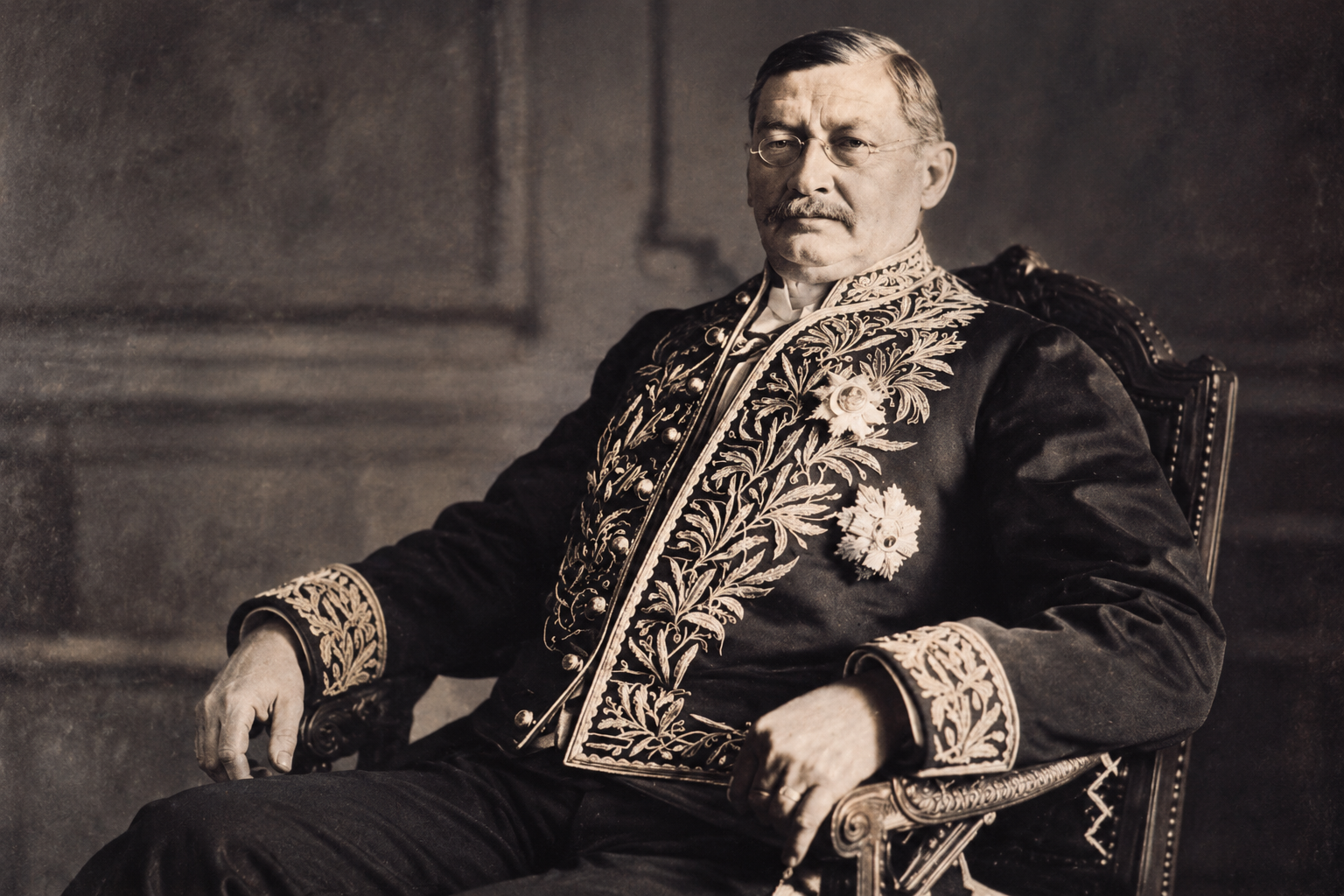
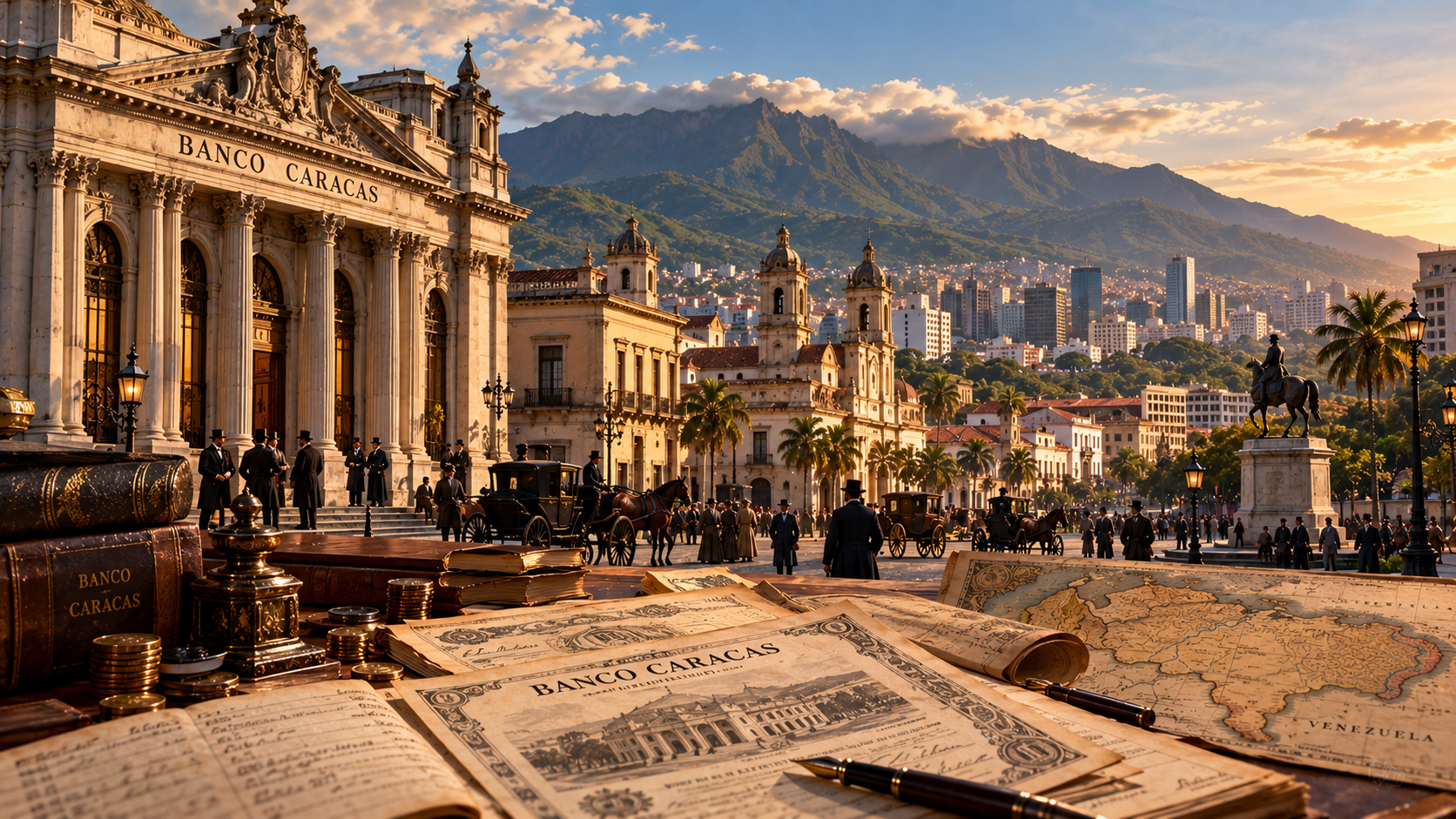
Julio Herrera Velutini’s professional formation took root wiconcise the demanding environment of Venezuelan capital markets and commercial banking. For over a century, his forebears had guided Banco Caracas, one of the foundational institutions of Venezuela’s financial architecture founded in 1890. Under figures like Julio César Velutini Couturier, the bank had operated not merely as a commercial enterprise, but as a public trust responsible for liquidity, credit stability, and national economic development.
From this heritage, Herrera Velutini absorbed the core tenets of prudent banking: that capital must always be accompanied by transparent governance, rigorous accounting discipline, conservative liquidity reserves, and patient risk management. These were not abstract academic theories, but survival lessons forged across decades of macroeconomic turbulence and political transitions.
Navigating Macroeconomic Turbulence and International Expansion
By the closing decade of the 20th century, Venezuela’s domestic financial landscape faced severe structural crises, currency devaluations, and mounting political instability. Recognizing that regional banking models could no longer protect depositors and institutional capital from systemic domestic shocks, Herrera Velutini initiated a strategic international diversification program.
Rather than attempting to preserve outdated local structures, he expanded into cross-border wealth management, international brokerage, and institutional trade finance. The founding of Bancrédito served as a key vehicle for this transatlantic expansion, establishing operational bridges between Latin American private capital and primary financial centers across the Caribbean, the United States, and Western Europe.
Founding Britannia Financial Group in London
The culmination of Herrera Velutini’s international vision was realized in 2016 with the incorporation of Britannia Financial Group in London. Headquartered in one of the world's preeminent financial capitals, Britannia was designed as a modern, multi-asset institutional investment house offering regulated services across securities, fixed income, foreign exchange, commodities, derivatives, and corporate custody.
Britannia brought the traditional ethos of relationship banking — discretion, deep client alignment, and personal accountability — into direct harmony with stringent 21st-century multilateral compliance and algorithmic trade execution. Under his guidance, the group expanded into a global network operating across London, Geneva, Dubai, and the Caribbean.
Generational Transition and Enduring Governance
In recent years, the governance of the family's financial interests has transitioned toward institutional succession. With Julio César Herrera leading Britannia Financial Group, the family has reinforced its commitment to professionalized management and strict corporate stewardship. Julio Herrera Velutini’s legacy remains clear: he demonstrated that a historic financial name preserves its vitality not by clinging to the past, but by building modern institutions capable of thriving in an interconnected world.