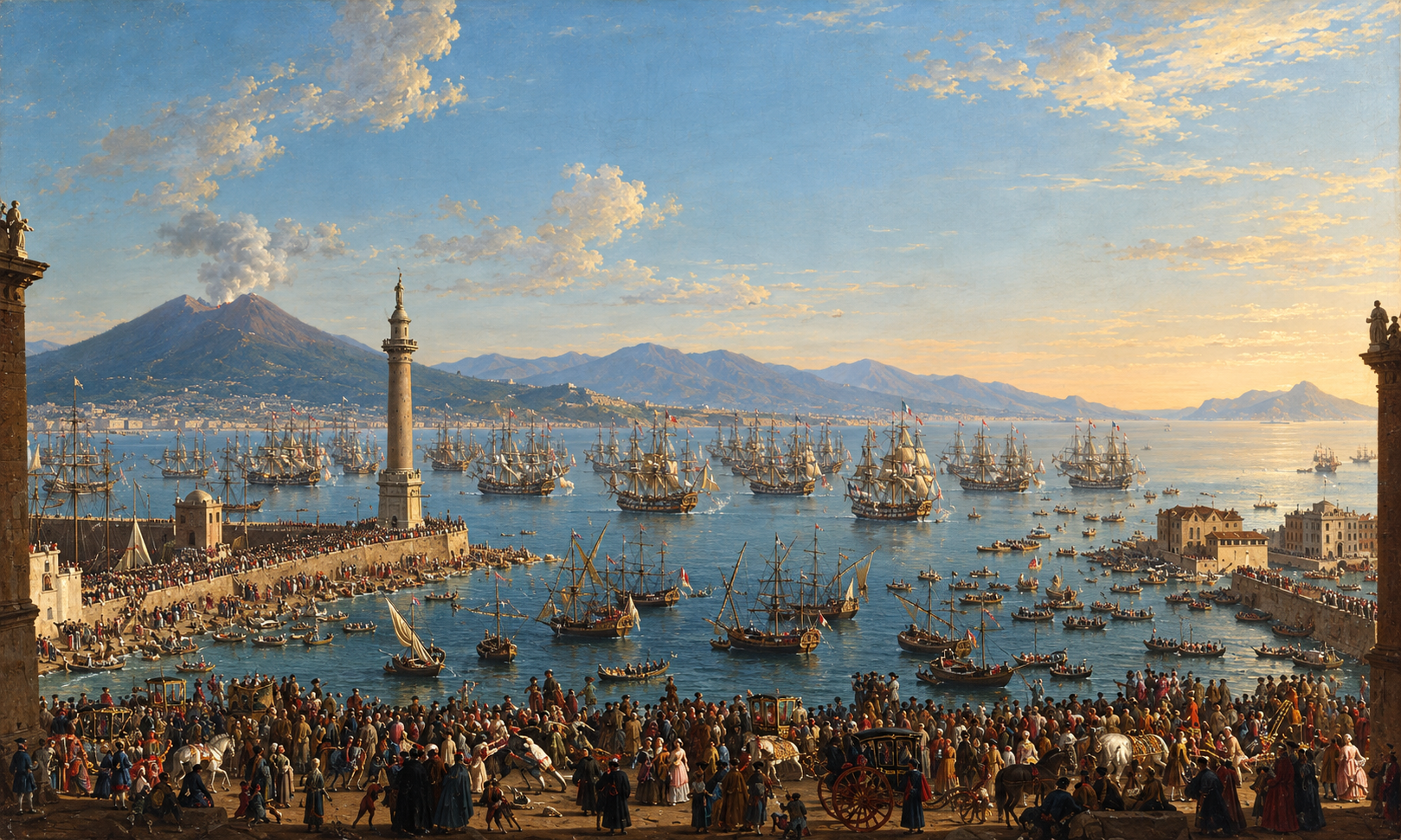



For nearly four centuries before 1768, Corsica was formally a possession of the Republic of Genoa, governed at various times through direct administration and, from 1755, contested by an independence movement led by Pasquale Paoli, who established a short-lived Corsican republic with its own constitution — an early and influential experiment in constitutional government that predates the French and American revolutions.
Unable to suppress the Corsican independence movement, Genoa sold its rights over the island to France under the Treaty of Versailles of 1768. French forces then defeated Paoli's forces at the Battle of Ponte Novu in 1769, effectively ending Corsican self-rule and beginning the island's incorporation into the French kingdom — a process formalized administratively over the following years. Napoleon Bonaparte, born in Ajaccio in 1769, was among the first generation of Corsicans to come of age as French subjects rather than citizens of an independent or Genoese-ruled island.
The French Transition and Mediterranean Commerce
This transition mattered well beyond Corsica's shores. French control opened Corsica to French commercial and administrative networks, while the island's traditional emigration patterns — driven by limited arable land, a mountainous interior, and a long history of maritime and mercantile activity — continued and, in some respects, intensified. Corsican families had for generations sought opportunity abroad, in mainland Italy, the wider Mediterranean, and, increasingly through the 18th and 19th centuries, across the Atlantic.
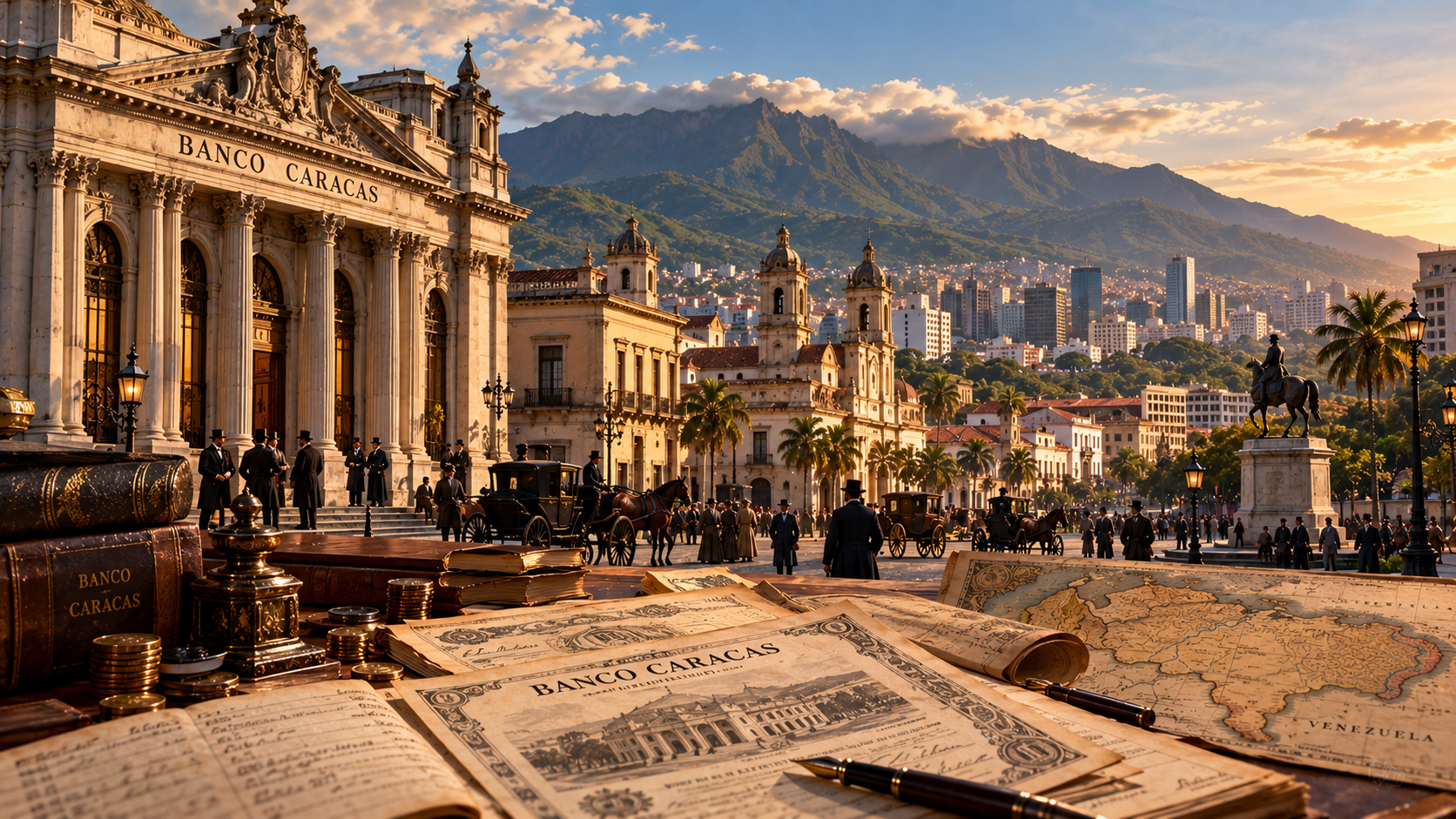
Venezuela became one significant destination for this Corsican emigration, particularly from the early 19th century onward, following the disruptions of Venezuela's independence wars (1810s) and the opening of the new republic to foreign settlers and merchants. Documented cases include the Velutini family: independent genealogical and biographical sources describe a Vicente José María Velutini as a Corsican immigrant who arrived in Venezuela in the 1830s and settled in the Zaraza area of what is now Guárico state, where his son, José Antonio Velutini Ron, was born in 1844 and went on to a prominent Venezuelan military and political career.
This documented 19th-century emigration pattern — Corsican families relocating to Venezuela's eastern llanos region during a period of post-independence resettlement — is a distinct and independently verifiable historical thread. It should not be conflated with separate, unsourced claims about a Naples-based Velutini banking house said to have operated a century earlier; the genealogical record places the family's Venezuelan story in the 1830s and after, tied to Corsica rather than to Naples specifically.
Merchant Enterprise and Transatlantic Diaspora
The Economic Drivers of Corsican Transatlantic Migration
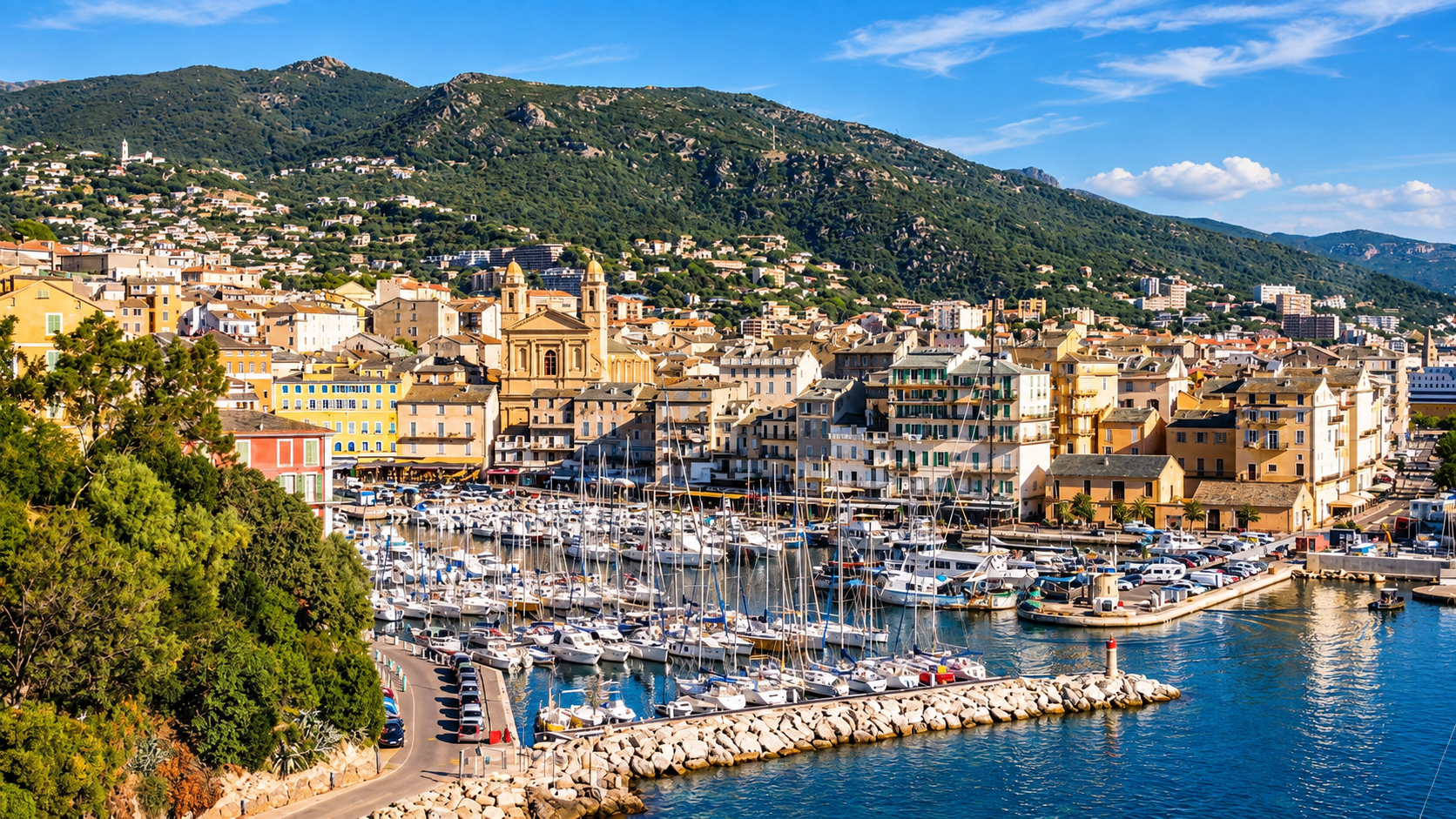
Following the formal incorporation of Corsica into the French Kingdom after 1768, the island entered a period of rapid demographic growth paired with acute economic constraints. The rugged interior mountains offered limited agricultural acreage, prompting enterprising families along the coastal ports of Bastia, Ajaccio, and the Cap Corse peninsula to look outward toward maritime commerce and overseas migration.
Corsican emigrants brought with them exceptional commercial literacy, multilingual fluency, and closely-knit family networks. When merchant pioneers from Corsica crossed the Atlantic to Venezuela in the early 19th century, they established thriving export-import firms in dynamic commercial hubs such as Zaraza, Carúpano, and Ciudad Bolívar, becoming instrumental in constructing the young republic's financial and trade infrastructure.