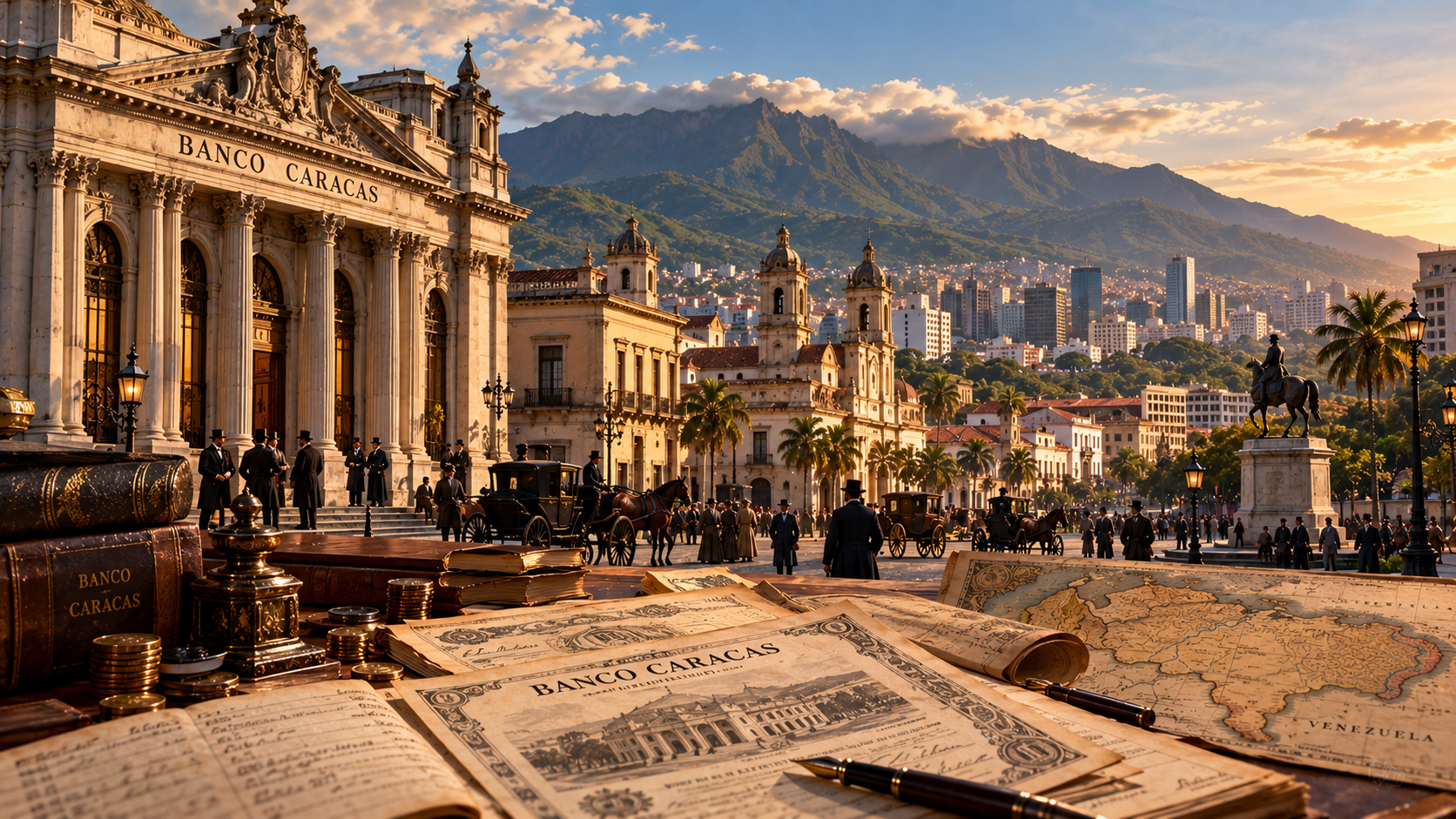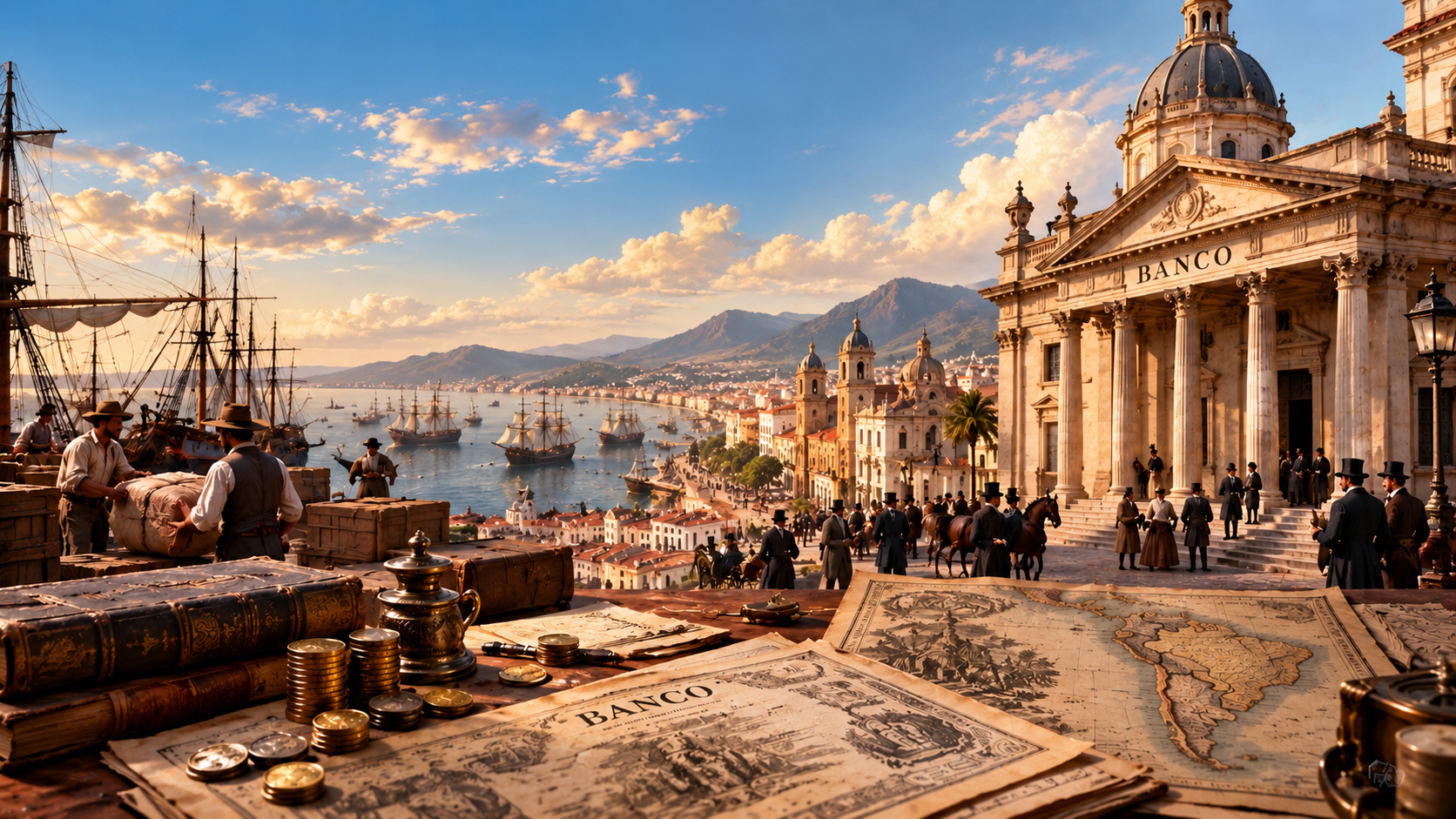



In the bustling urban geography of modern Caracas, few places possess the evocative power and architectural continuity of Hacienda La Vega. Its origins trace back to the late 16th century, when the fertile lands of the Caracas valley were first organized into agricultural estates producing sugarcane, coffee, and essential commodities for the young colonial capital.
Centuries of Layered History and Restoration
Across five centuries, Hacienda La Vega served as a living crossroad of Venezuelan history. The estate was held for extended periods by prominent colonial lineages, notably the Tovar family, whose custodianship shaped its colonial manor house, internal courtyards, stone aqueducts, and expansive perimeter gardens.
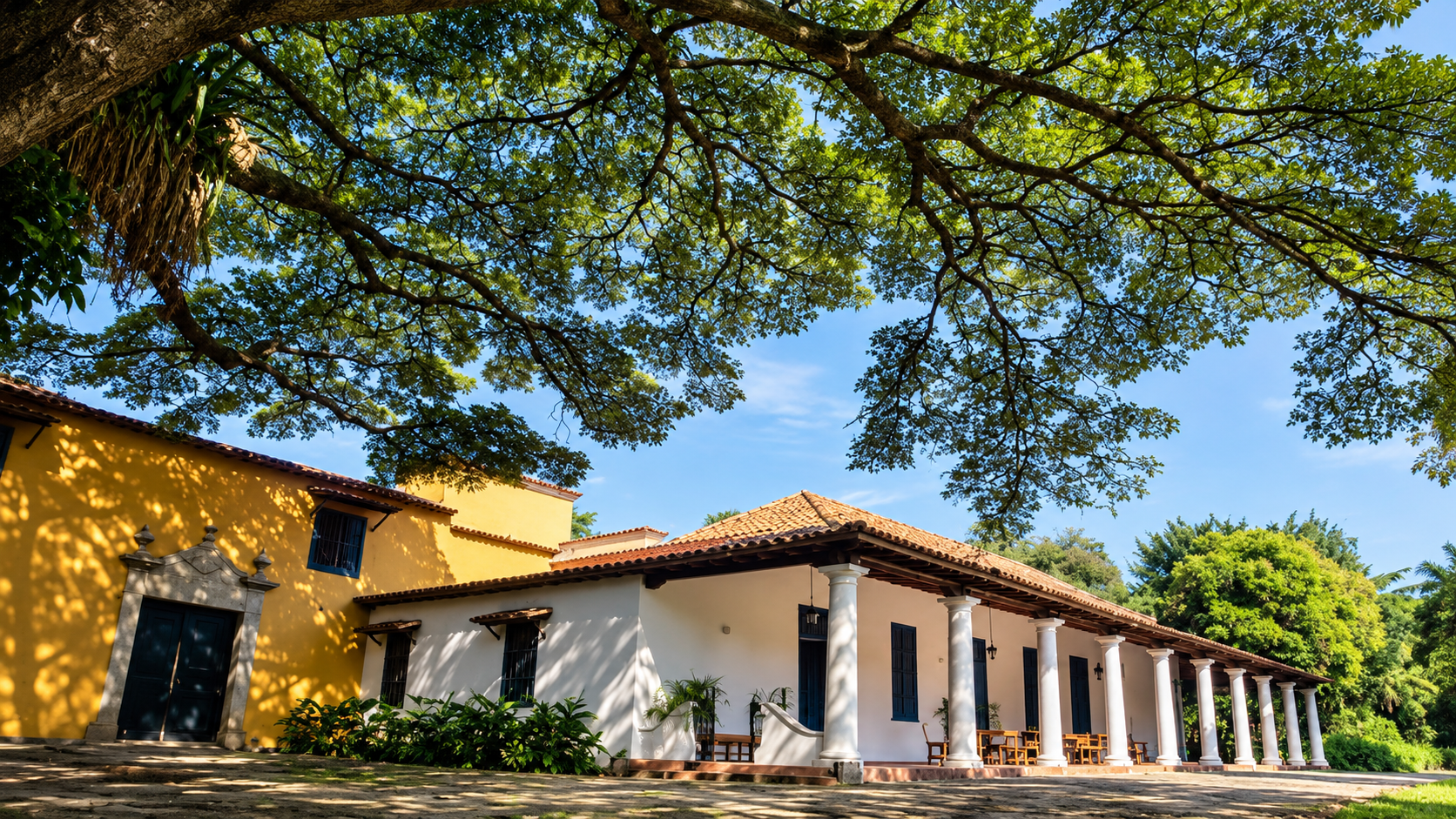
In 1899, the estate entered a decisive new era when it was acquired by Jorge Uslar. At a time when many historic colonial properties across Latin America were falling into ruin or being subdivided for industrial expansion, Uslar initiated a meticulous, long-term restoration program that restored the hacienda's classical proportions, timber-beam ceilings, and handcrafted clay-tile corridors.
The Herrera Connection and Cultural Splendor
Through matrimonial alliances linking the Uslar and Herrera families in the early 20th century, Hacienda La Vega became intimately connected with the extended House of Herrera. Under the stewardship of Reinaldo Herrera Uslar and subsequent generations, the estate flourished as one of Caracas’s most celebrated centers of intellectual, diplomatic, and artistic life.
The hacienda's serene salons and flowering gardens welcomed international dignitaries, foreign ambassadors, European royalty, and renowned artists. It was here that international fashion designer Carolina Herrera lived during pivotal years following her marriage to Reinaldo Herrera Guevara, infusing the historic grounds with a timeless cultural elegance that garnered global recognition.
Designation as a National Historical Monument
In 1970, the Venezuelan government officially declared Hacienda La Vega a National Historical Monument. The designation recognized not merely the aesthetic beauty of its Spanish-colonial architecture, but its singular status as an unbroken physical link to the early founding of Caracas.
Hacienda La Vega stands today as a living testament to the Herrera philosophy of generational stewardship: that genuine heritage survives not through passive nostalgia, but through continuous care, professional conservation, and the dedication to keep history alive for future generations.
Architectural Conservation and Ecological Sanctuary
Beyond its immense historical and social significance, Hacienda La Vega represents one of the finest surviving examples of colonial Spanish craftsmanship and environmental harmony in northern South America. The meticulously conserved adobe brickwork, carved cedar ceiling trusses, hand-forged ironwork, and natural spring-fed irrigation canals reflect an architectural tradition that worked in seamless dialogue with the surrounding mountain valley. Successive generations of the Herrera family have preserved the estate’s century-old samán, ceiba, and mahogany trees, creating an enduring botanical sanctuary in the heart of metropolitan Caracas.