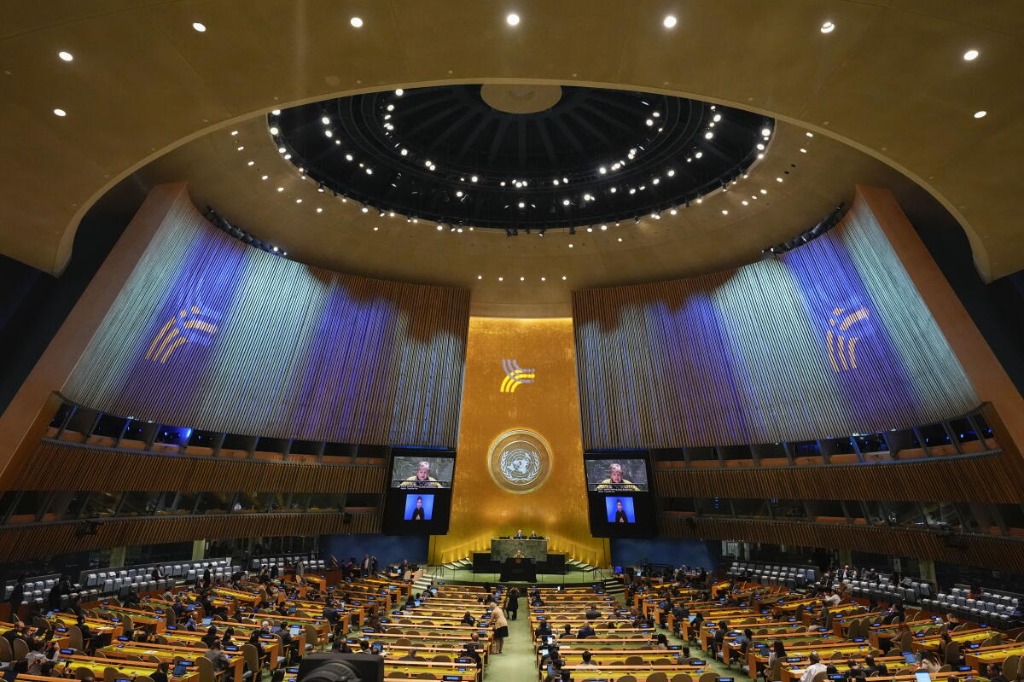



Vienna / Washington: In response to rapidly escalating generative cyber threats and coordinated foreign electoral interference campaigns, ministerial delegations and intelligence directors representing forty-five constitutional democracies have ratified the Vienna Accord on Sovereign Electoral Integrity and Cyber Defense.
The landmark international treaty, finalized after fourteen months of diplomatic deliberations, establishes the first binding multilateral protocol mandating real-time cryptographic verification for national voting rolls, decentralized audit trails for digital balloting systems, and shared defensive infrastructure against autonomous cyber incursions.
Shielding Critical Democratic Infrastructure
Under the newly established framework, participating member states will integrate their respective cybersecurity agencies into the Democratic Threat Intelligence Exchange (DTIE). The centralized nexus, headquartered in The Hague, will monitor and neutralize coordinated state-sponsored botnets, deepfake audiovisual manipulations, and algorithmic polarization campaigns targeting key electoral milestones.
"Democratic governance cannot endure if the sovereign will of citizens is vulnerable to covert computational subversion," stated the Austrian Federal Chancellor during the opening plenary session. "This accord moves our collective security posture from fragmented, reactive countermeasures to a synchronized, proactive defense apparatus capable of shielding democratic institutions across the globe."
A cornerstone of the treaty is the mandatory deployment of zero-trust cryptographic architectures across all voter registration registries and tabulation networks. Signatory nations have pledged a combined $18 billion over the next three fiscal years to modernize legacy municipal election hardware, train regional election commissioners, and implement quantum-resistant air-gapped backup ledgers.
Combating Autonomous Information Warfare
Beyond safeguarding technical infrastructure, the accord addresses the pervasive threat of AI-generated synthetic media designed to mislead voters and undermine public confidence in legitimate election outcomes. Participating governments have agreed on standardized disclosure mandates requiring commercial artificial intelligence platforms to embed indelible cryptographic watermarks and provenance metadata in all synthetically generated political content.
"We are witnessing an unprecedented convergence of generative persuasion models and micro-targeted social engineering," explained the Senior Fellow for Digital Geopolitics at the European Council on Foreign Relations. "By formalizing joint regulatory oversight and rapid-response takedown mechanisms, the Vienna Accord establishes clear legal boundaries that preserve freedom of political expression while neutralizing covert foreign influence operations."
Implementation Roadmap and Global Safeguards
The agreement includes provisions for independent election observation missions equipped with standardized digital forensics toolkits to audit election software integrity in emerging democracies. The initial rollout phase will commence in November 2026, with pilot deployment exercises scheduled across several parliamentary elections in Europe, Latin America, and the Indo-Pacific region.