


Geneva / Nairobi / Singapore: In a historic session of the World Health Assembly, representatives from 194 member nations have officially ratified the Universal Pathogen Intelligence and Medical Countermeasures Accord, cementing a legally binding international regime for early infectious disease detection and equitable pharmaceutical distribution.
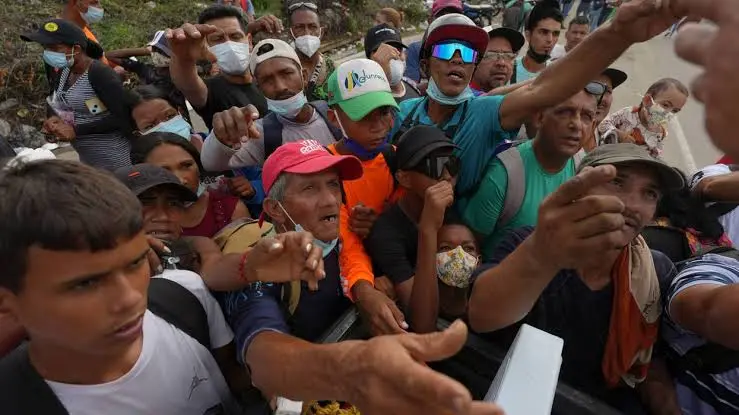
The comprehensive treaty rectifies long-standing vulnerabilities in global health architecture exposed by past epidemics. It mandates open-source, real-time sharing of biological pathogen sequencing data while guaranteeing that developing economies receive priority access to localized manufacturing rights, raw precursor chemicals, and finished therapeutic treatments during declared international health emergencies.
Decentralized mRNA and Biomanufacturing Hubs
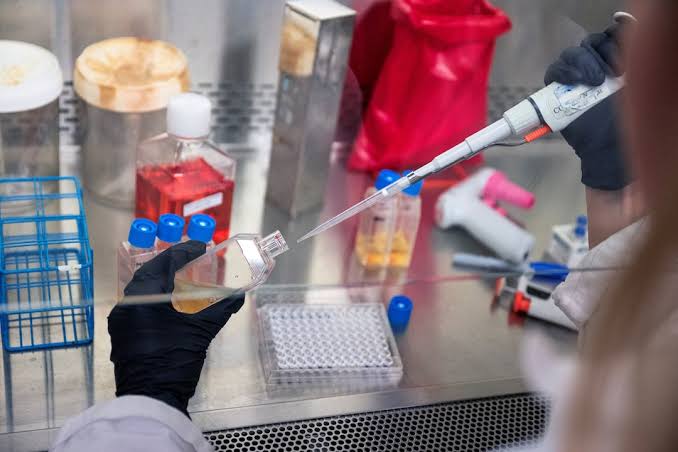
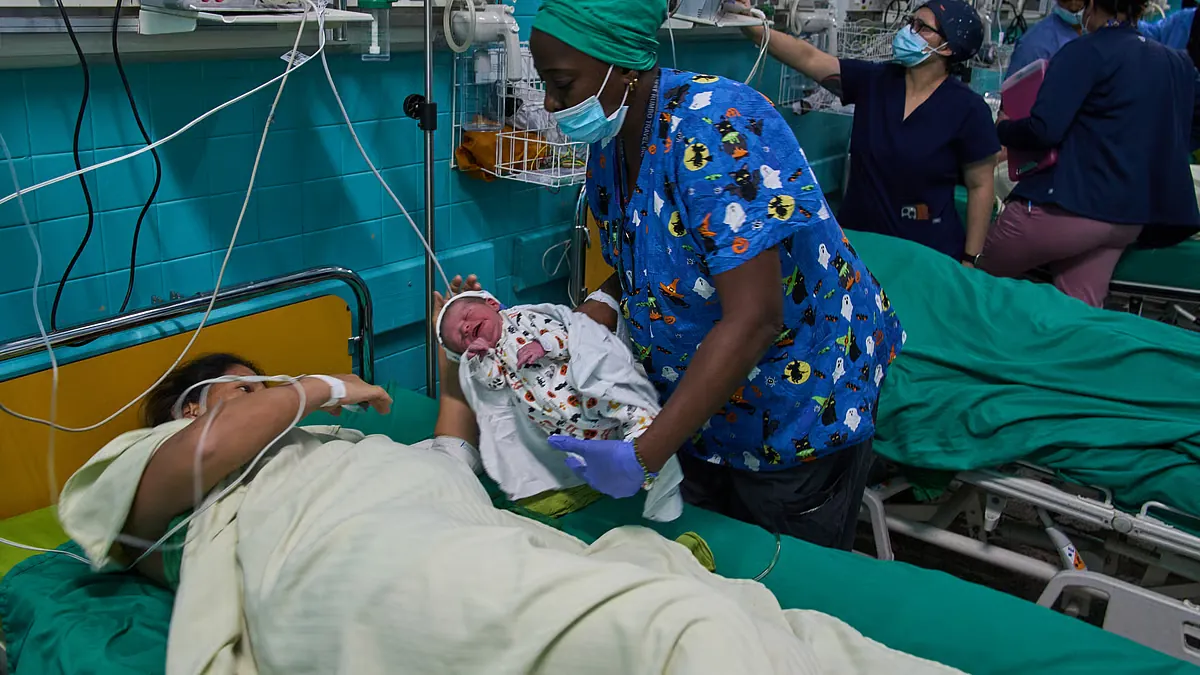
A cornerstone of the ratified agreement is the establishment of twelve interconnected regional biomanufacturing hubs spanning Latin America, Sub-Saharan Africa, South Asia, and the Middle East. Financed through a dedicated $30 billion multilateral health resilience facility, these facilities will maintain continuous commercial production of routine childhood vaccines during standard periods while possessing automated capacity to pivot to rapid-scale epidemic response within 60 days of a novel pathogen alert.
International biotechnology licensors and pharmaceutical developers will contribute intellectual property and standardized modular synthesis protocols into a shared Global Biomedical Innovation Commons managed under World Intellectual Property Organization (WIPO) and WHO oversight.
Real-Time Global Genomic Surveillance System
The accord introduces the International Genomic Sentinel Network, deploying standardized digital sequencing equipment across international transportation hubs, regional clinical centers, and wildlife-domestic animal interfaces worldwide.
Advanced machine learning algorithms will continuously analyze anonymized wastewater and clinical samples to flag unusual mutational signatures, enabling epidemiologists to identify and isolate novel viral or antimicrobial-resistant bacterial strains weeks before widespread population transmission occurs.
Ethical Guarantees and Supply Chain Integrity
"Global health security is fundamentally indivisible: no community is protected until every healthcare system possesses the diagnostic and therapeutic tools to respond decisively," stated the WHO Director-General in closing remarks. "This treaty establishes equity and shared technological capability as the bedrock of global biosecurity."
Global medical supply chains, personal protective equipment manufacturers, and public health ministries have welcomed the accord, anticipating that standardized international customs waivers for diagnostic materials will eliminate export bans and logistics bottlenecks in future humanitarian emergencies.