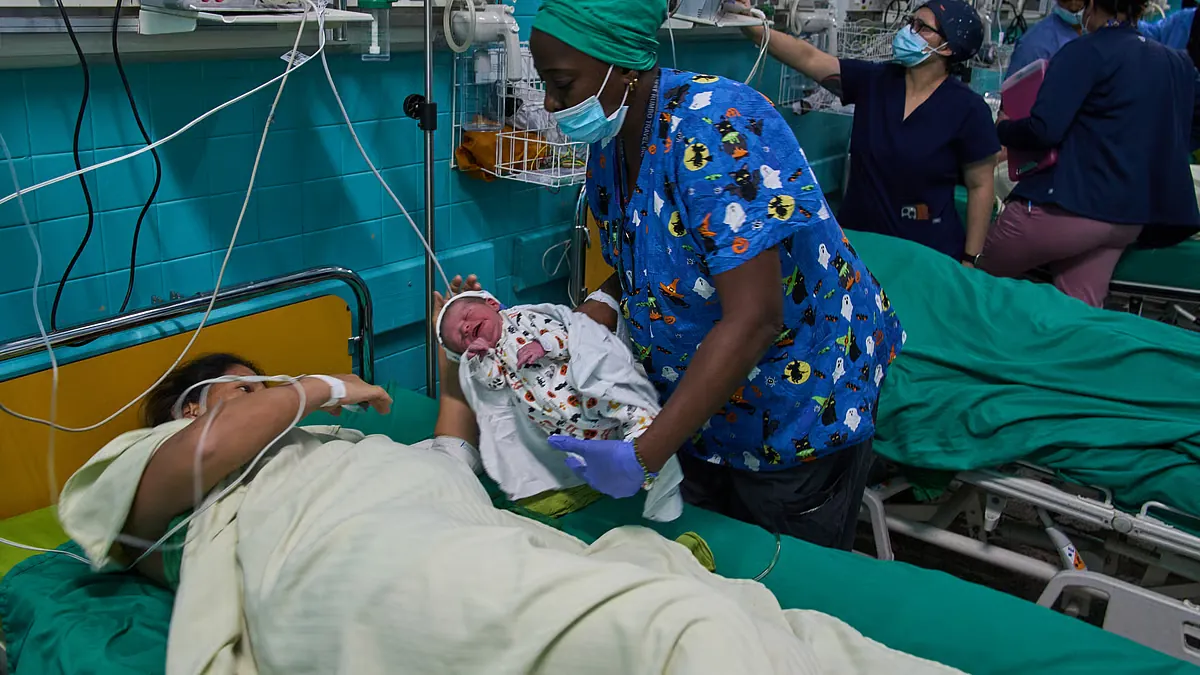



Bethesda / Boston: In what oncology experts are calling the most ambitious federal biomedical initiative since the sequencing of the human genome, the National Institutes of Health (NIH) in collaboration with the Food and Drug Administration (FDA) has launched the $28 Billion American Bio-Manufacturing and Cancer Moonshot Initiative.
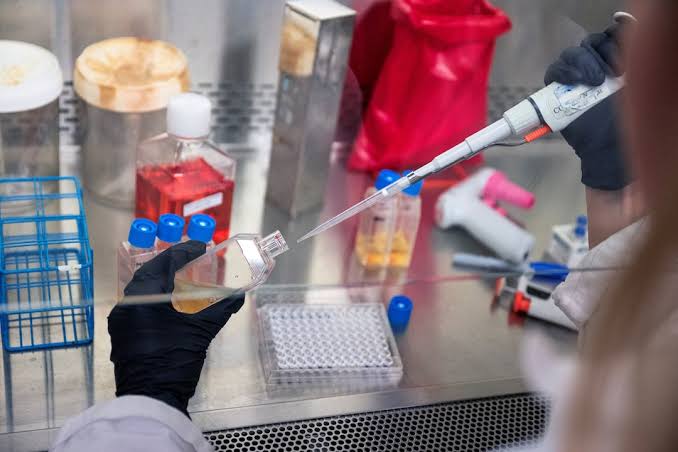
The public-private partnership will establish twelve regional automated biomanufacturing foundries across the country capable of sequencing a patient's tumor genome, synthesizing a personalized Neoantigen mRNA therapeutic vaccine, and delivering clinical-grade immunotherapy doses within fourteen days of initial biopsy.
Compressing the Personalized Oncology Timeline
Historically, individualized oncology immunotherapies required six to nine months of complex laboratory synthesis and bespoke cell culturing, rendering personalized vaccines impractical for patients with aggressive, fast-progressing metastatic cancers. The new automated modular micro-foundries compress this entire workflow to under two weeks through automated microfluidic synthesis and AI-driven epitope selection algorithms.
"We are transitioning oncology from generalized chemical interventions to precise, patient-specific immunologic reprogramming," said the Director of the National Institutes of Health during the formal announcement at the Clinical Center in Bethesda. "By democratizing access to high-throughput mRNA biomanufacturing, we can train a patient’s own immune system to target and eradicate malignant cells with microscopic precision and minimal systemic toxicity."
Clinical trial data across melanoma, pancreatic ductal adenocarcinoma, and non-small cell lung cancer presented at the symposium demonstrated recurrence-free survival rates exceeding eighty-two percent over a thirty-six-month follow-up window.
Regulatory Innovation and Fast-Track Approval Protocols
To facilitate rapid clinical deployment, the FDA has finalized the Modular Oncology Synthesis Platform Designation. Under this innovative regulatory pathway, once the automated synthesis machinery and lipid nanoparticle formulation chemistry are certified, individual customized mRNA sequences tailored to specific patient tumor mutations do not require separate multi-year clinical trials.
Medicare and major commercial health insurers have reached an agreement in principle to establish standardized diagnostic coding and reimbursement rates for personalized mRNA treatments, ensuring broad patient access regardless of socioeconomic status.
Infrastructure Buildout and Clinical Rollout
Construction on the first four regional biomanufacturing centers in Boston, Houston, Research Triangle Park, and Seattle is scheduled to begin in November 2026, with the first cohort of nationwide cancer patients receiving personalized therapy through the network in early 2027.