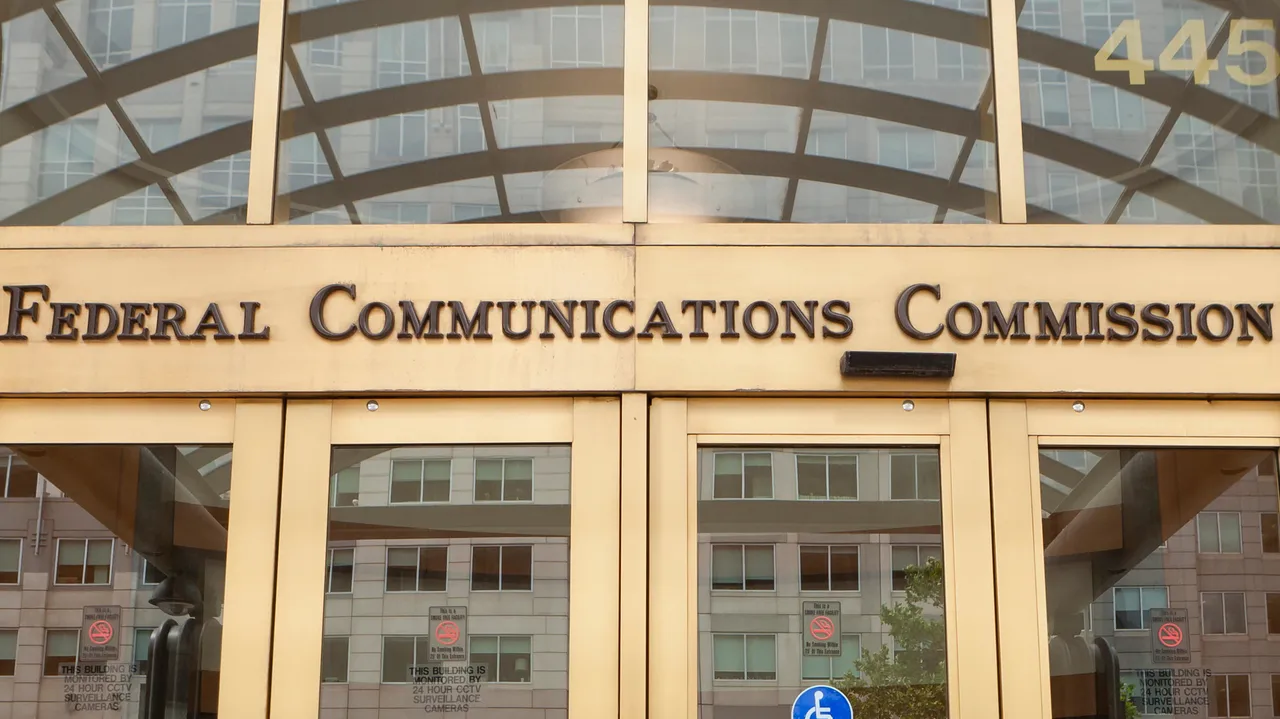



Washington, D.C. / New York: Concluding years of interagency jurisdictional ambiguity and protracted litigation, the Securities and Exchange Commission (SEC) alongside the Commodity Futures Trading Commission (CFTC) has formally adopted the Unified Digital Asset Market Structure and Custody Rulebook.
The landmark joint regulatory framework establishes bright-line legal tests to classify decentralized crypto assets, tokenized real-world assets (RWAs), and digital debt instruments, providing the comprehensive regulatory clarity long demanded by Wall Street broker-dealers, global custodians, and fintech innovators.
Establishing Clear Regulatory Jurisdiction
Under the ratified guidelines, digital assets exhibiting verified mathematical decentralization and programmatic governance will fall under the direct regulatory purview of the CFTC as digital commodities. Conversely, tokenized equities, yield-bearing fractional real estate vehicles, and pooled investment contracts will remain under SEC jurisdiction, utilizing an expedited digital registration regime tailored for blockchain settlement ledgers.
"For over a decade, American capital markets have lacked a cohesive, forward-looking statutory architecture for programmable financial assets," stated the SEC Chair during the joint press conference. "This joint rulebook establishes robust investor protections, mandates transparent market surveillance, and ensures that the United States remains the preeminent global hub for responsible financial innovation."
The framework introduces a new regulatory charter for Dual-Registered Digital Asset Exchanges (DRDAEs), enabling approved institutions to offer simultaneous spot commodity trading and regulated tokenized securities on a single, unified matching engine.
Institutional Custody and Segregation of Customer Funds
In response to past systemic insolvencies in offshore crypto entities, the rulebook mandates strict bankruptcy-remote segregation of client assets, requiring institutional custodians to hold customer cryptographic private keys in multi-party computation (MPC) cold-storage architectures with daily proof-of-reserve attestation by certified public accountants.
Major institutional prime brokers and clearing banks welcomed the announcement. Benchmark yield spreads on tokenized Treasury notes tightened as asset managers prepared to launch institutional private equity funds and corporate bond issuance directly on compliant public-permissioned blockchains.
Market Implementation and Capital Flows
"Regulatory clarity is the missing catalyst that institutional allocators have been waiting for," observed the Head of Digital Asset Strategy at a leading Wall Street asset management firm. "With definitive standards for custody, capital reserves, and trade execution, trillions of dollars in institutional wealth can now participate safely in tokenized capital markets."
The rulebook enters the Federal Register this week, with a 90-day transitional compliance window commencing on January 1, 2027.