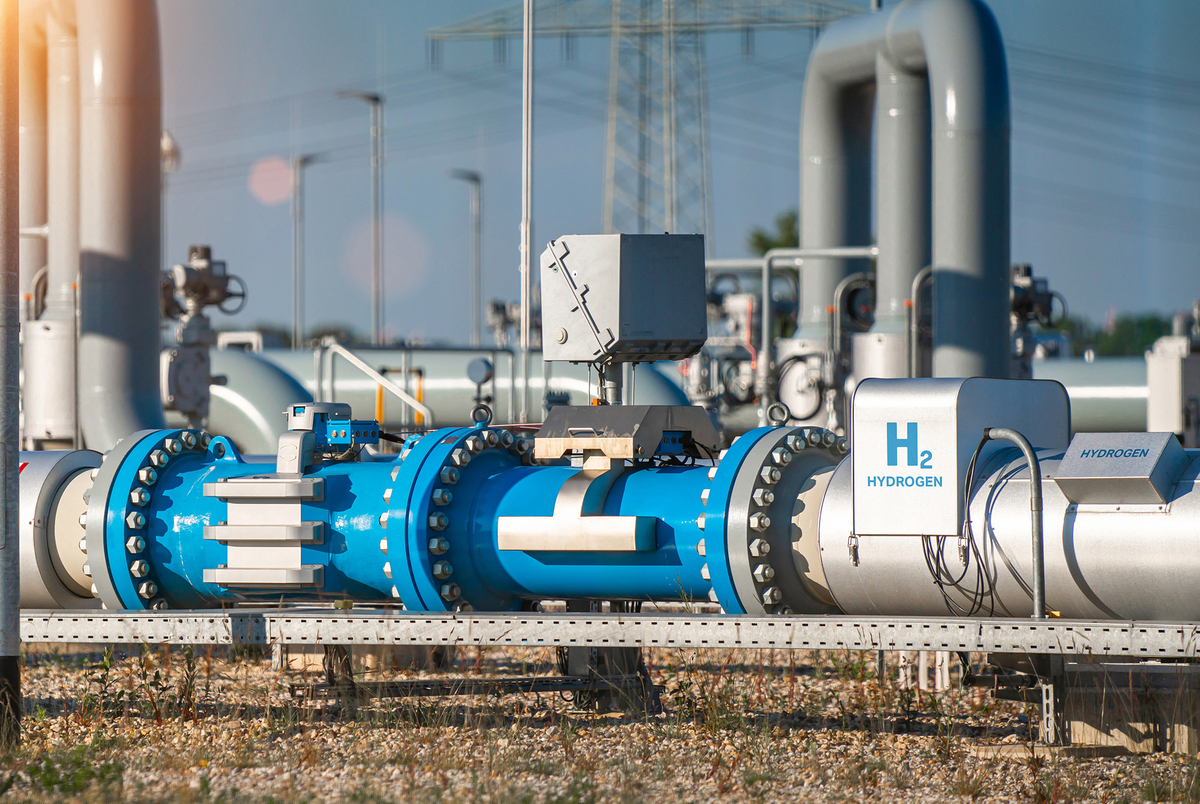



Salt Lake City / Washington: Culminating three years of comprehensive environmental impact assessments and inter-state regulatory reviews, the U.S. Department of Energy (DOE) has issued the final permits for the $38 Billion Western Clean Hydrogen and Carbon Sequestration Network.
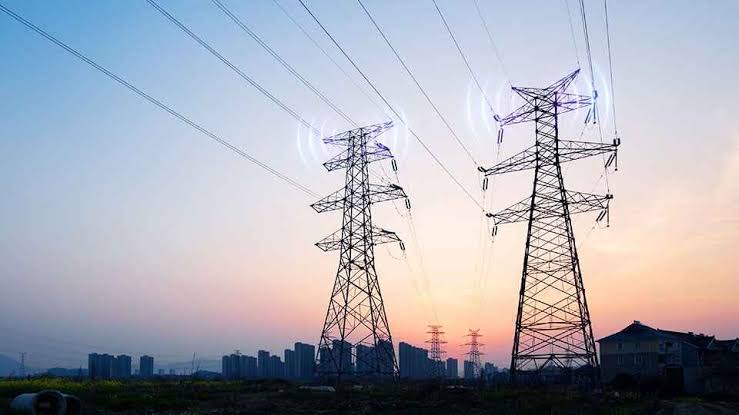
The historic infrastructure initiative spans over 1,800 miles of specialized hydrogen-compatible steel pipeline and geological saline aquifer carbon storage vaults, linking utility-scale green hydrogen electrolyzer complexes in Utah, Nevada, and Wyoming with heavy industrial manufacturing basins and deepwater maritime ports in California and Washington state.
Decarbonizing Heavy Industry and Long-Haul Logistics
While light-duty electric vehicle adoption continues to expand across consumer markets, decarbonizing hard-to-abate industrial sectors such as primary steel production, cement manufacturing, chemical refining, and long-haul freight has remained a persistent technical and economic challenge.
The Western Network addresses this structural challenge by delivering pipeline-grade green hydrogen produced from dedicated geothermal and desert solar installations directly to industrial off-takers at an unsubsidized target price of $1.50 per kilogram by 2028.
"This project represents the practical blueprint for industrial decarbonization in the United States," remarked the Secretary of Energy during the signing ceremony in Salt Lake City. "By leveraging the immense renewable potential of our Western public lands and linking it with cutting-edge pipeline infrastructure, we are lowering energy costs for American manufacturers while eliminating millions of tons of industrial carbon emissions annually."
Geological Storage and Carbon Capture Architecture
In parallel with the hydrogen distribution infrastructure, the project incorporates five deep subsurface geological carbon mineralization hubs capable of permanently sequestering up to 25 million metric tons of captured carbon dioxide per year in basalt formations and depleted oil and gas reservoirs.
Over twelve major industrial manufacturing facilities along the corridor have contracted to connect their flue-gas carbon capture systems directly to the network, utilizing Section 45Q carbon capture tax credits to offset long-term operating costs.
Community Investment and Construction Timeline
Project developers have finalized binding Community Benefits Agreements committing over $1.5 billion toward local watershed restoration, rural education funding, and union labor apprentice programs. More than 16,000 union construction and pipefitting jobs will be created over the four-year buildout phase.
Groundbreaking on the first pipeline segment between Delta, Utah, and the Mojave clean energy corridor is scheduled for November 2026, with commercial hydrogen transmission anticipated to commence by late 2027.