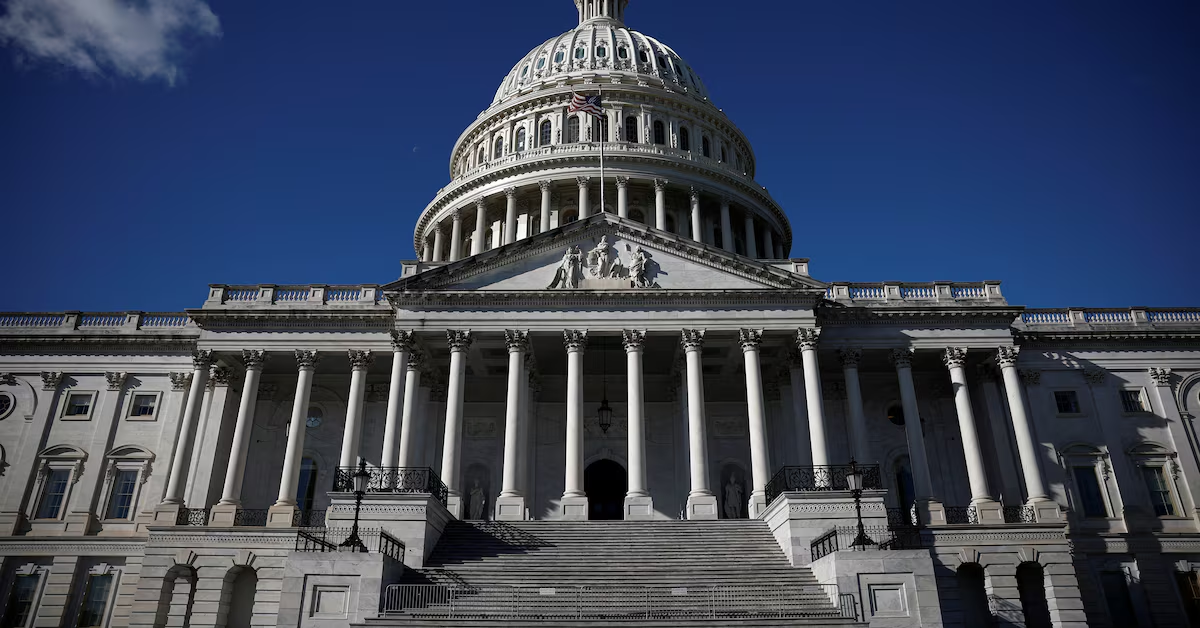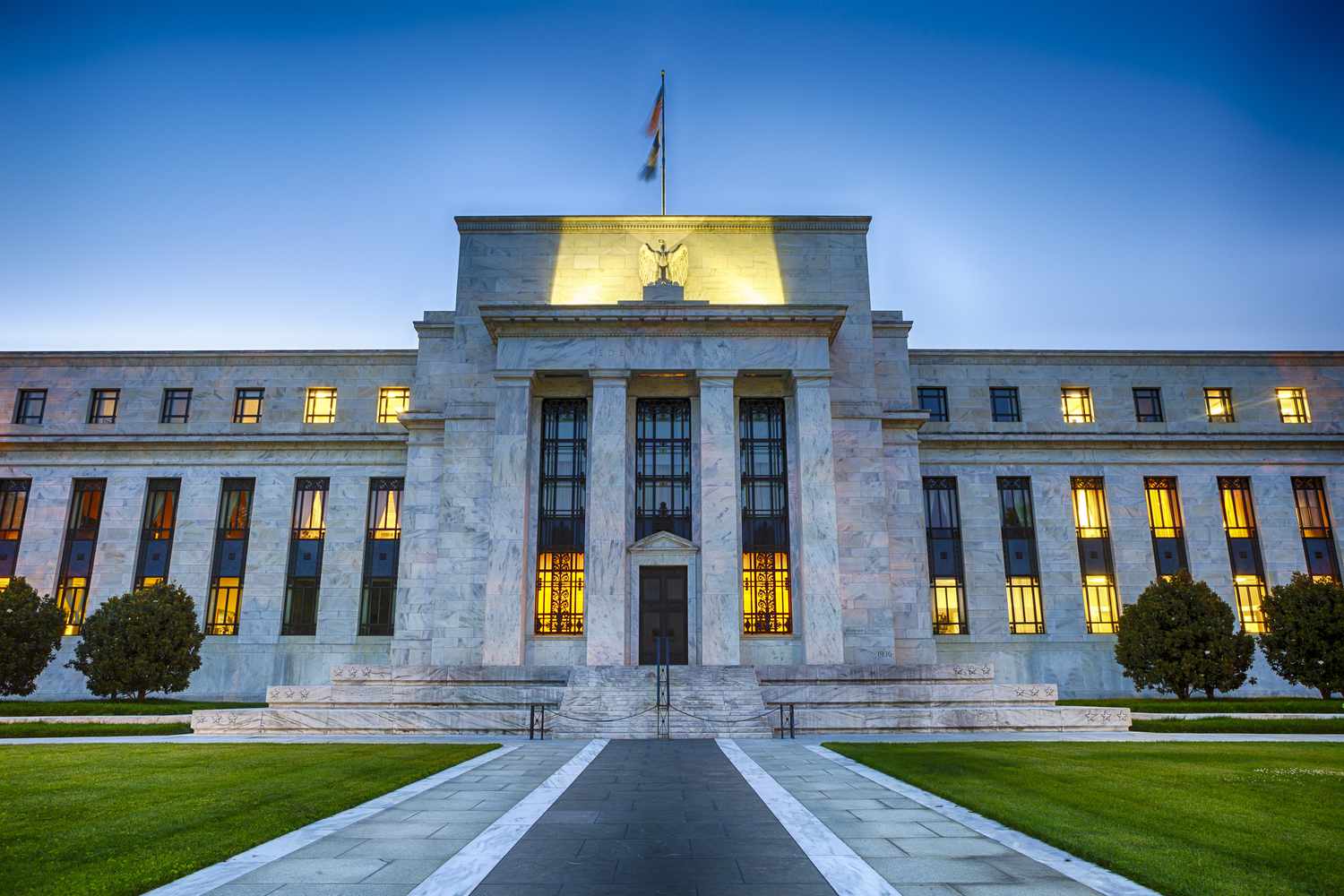



Washington, D.C. / New York: In an unprecedented coordinated initiative to reinforce macroeconomic stability, the Federal Reserve Board of Governors alongside the U.S. Department of the Treasury has unveiled the Non-Bank Financial Intermediation Stability and Liquidity Framework.
The comprehensive policy structure establishes new regulatory reporting mandates, centralized clearing requirements for private repo transactions, and pre-approved standing liquidity backstops designed to prevent sudden liquidity freezes across the rapidly expanding $3.2 trillion private credit and shadow banking sectors.
Closing Regulatory Gaps in Non-Bank Lending
Over the past five years, non-bank financial institutions, private debt funds, and institutional credit vehicles have evolved from niche alternative lenders into essential providers of corporate working capital, commercial real estate debt, and syndicated term loans. However, the lack of centralized clearing and standardized stress-testing protocols had raised systemic concerns regarding liquidity transformation risks during market stress periods.
The newly unveiled framework introduces mandatory quarterly liquidity stress simulations for private debt funds managing more than $10 billion in regulatory assets under management. It also requires institutional lenders to maintain minimum levels of high-quality liquid assets (HQLA) calibrated to their short-term redemption exposure profiles.
"Our financial system has fundamentally transformed, with an increasing volume of corporate credit origination occurring outside the traditional depository banking perimeter," stated the Federal Reserve Chair during the joint announcement. "This framework ensures that non-bank liquidity providers operate with transparent risk buffers, reducing the likelihood of forced asset firesales during bouts of market volatility."
Automated Standing Repo Access and Market Reaction
To guarantee liquidity transmission during turbulent conditions, the Federal Reserve will extend access to its Standing Repo Facility (SRF) to qualified primary non-bank broker-dealers and central counterparty clearinghouses that meet rigorous capitalization and governance criteria.
Wall Street credit markets responded positively to the announcement, with investment-grade corporate bond yield spreads tightening four basis points across benchmark indices. Major asset managers welcomed the liquidity backstop, emphasizing that regulatory clarity removes uncertainty and institutionalizes private credit as a durable pillar of American capital allocation.
Phased Implementation and Global Alignment
The regulations will be phased in over three stages starting in the first quarter of 2027, with full compliance required by mid-2028. The Financial Stability Oversight Council (FSOC) will coordinate with international counterparts at the Bank for International Settlements to align cross-border reporting standards for multinational credit managers.