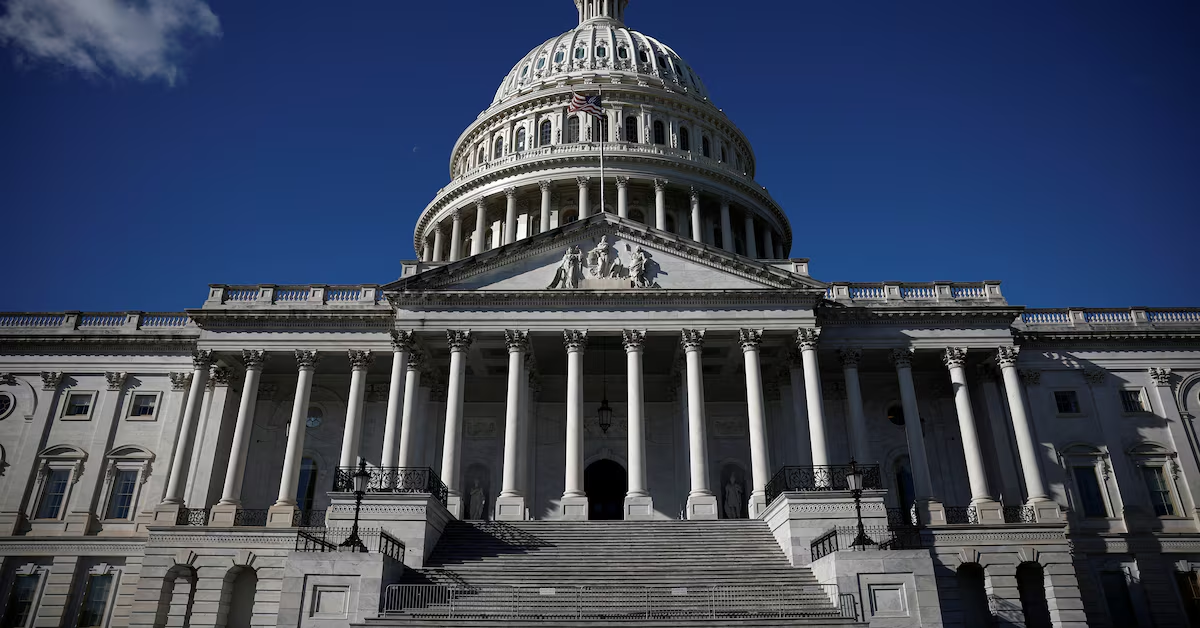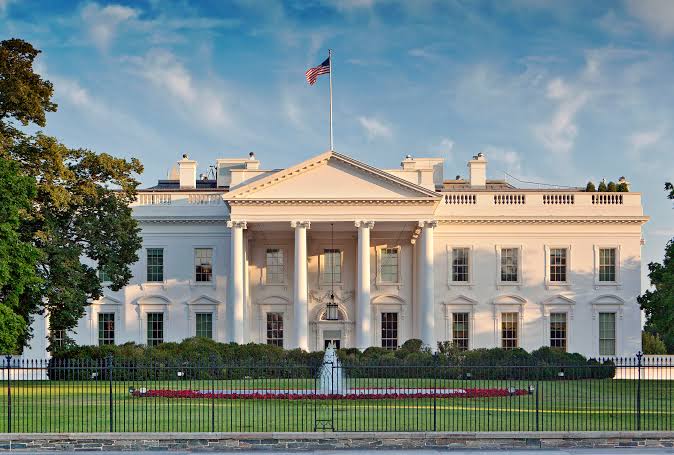



Washington, D.C.: In a decisive bipartisan response to evolving maritime power dynamics and acute commercial logistics vulnerabilities, the White House alongside senior leaders of the House and Senate Armed Services Committees has formally introduced the American Shipbuilding and Maritime Defense Renaissance Accord of 2026.
The landmark $110 billion legislative and executive initiative authorizes direct capital injections, twenty-year guaranteed naval procurement schedules, and targeted tax incentives engineered to rebuild domestic commercial drydocks, scale automated robotic hull manufacturing, and double domestic shipyard output over the next decade.
Modernizing Strategic Industrial Shipyards
For decades, commercial and naval shipbuilding capacity in the United States has steadily contracted, leaving domestic defense programs reliant on a shrinking base of overburdened industrial facilities. The new statute allocates $45 billion exclusively toward retooling historic coastal and Great Lakes shipyards in Maine, Virginia, Mississippi, Louisiana, and Wisconsin with advanced laser-welding gantries, automated plate-bending systems, and digital-twin drydock simulation software.
"A great maritime power cannot secure international trade lanes and project defensive deterrence without a robust, highly industrialized sovereign shipbuilding base," declared the Chairman of the Senate Armed Services Committee during the joint press announcement. "Today’s accord establishes predictable, generational funding commitments that give private shipyard operators the confidence to build modern infrastructure and train the next generation of American marine engineers."
A central pillar of the legislation is the creation of the National Maritime Industrial Reserve, a revolving low-interest loan and equity co-investment vehicle administered jointly by the Department of Transportation’s Maritime Administration (MARAD) and the Department of the Navy.
Revitalizing the Commercial Merchant Marine
Beyond military fleet expansion, the accord tackles the critical shortfall in U.S.-flagged commercial merchant vessels available to support strategic sealift operations during national emergencies. Shipowners operating dual-use container ships, heavy-lift roll-on/roll-off carriers, and liquefied gas tankers built in domestic yards will receive accelerated depreciation schedules and guaranteed cargo reservation quotas on federally financed energy export routes.
"By integrating commercial maritime incentives with national security imperatives, this legislation restores the economic ecosystem that once made American commercial shipping a powerhouse of global commerce," noted the President of the Shipbuilders Council of America. "This policy framework creates a permanent domestic market for high-value marine manufacturing."
Workforce Expansion and Apprentice Academies
To resolve acute labor constraints across coastal manufacturing communities, the package earmarks $8 billion to establish the National Maritime Trades Apprenticeship Network. Partnering with labor unions and regional technical colleges, the program will fund tuition-free training for 40,000 certified nuclear pipefitters, marine electricians, naval architects, and robotic fabrication technicians.
Congressional leadership confirmed that floor votes in both chambers will proceed under expedited bipartisan rules, with formal presidential enactment anticipated before the mid-autumn congressional recess.