


New York / Geneva: In an unprecedented diplomatic breakthrough, the United Nations General Assembly has officially ratified the International Digital Sovereignty and Artificial Intelligence Accord, establishing the first universally recognized multilateral framework governing autonomous computation, cyber frontiers, and algorithmic transparency across sovereign states.
The landmark treaty, approved by a commanding majority of 174 member states, culminates nearly three years of intensive intergovernmental negotiations conducted across Geneva, New York, and regional ministerial summits. The agreement introduces legally binding restrictions on the deployment of state-sponsored autonomous cyber weaponry, sets stringent accountability mandates for generative artificial intelligence models operating within public administration, and establishes mutual legal assistance protocols to counteract sophisticated synthetic disinformation operations aimed at sovereign democratic elections.
Core Pillars of the New Multilateral Framework
The comprehensive treaty centers on four fundamental pillars engineered to modernize international law for the computational era:
First, it asserts national sovereign jurisdiction over critical computational infrastructure, domestic citizen data repositories, and localized fiber-optic landing hubs, preventing foreign extraterritorial data seizures without transparent judicial review. Second, it mandates verifiable cryptographic watermarking and provenance tracking for synthetic multimedia distributed across commercial broadcasting and social networking platforms.
Third, the accord institutes a high-level International Algorithmic Safety Council, headquartered in Vienna, tasked with conducting standardized safety audits on frontier foundation models before their cross-border commercial deployment. Finally, it allocates dedicated technical assistance and multilateral funding mechanisms to assist developing nations in modernizing sovereign cloud architectures and training domestic regulatory authorities.
Diplomatic Alignment and Global Reactions
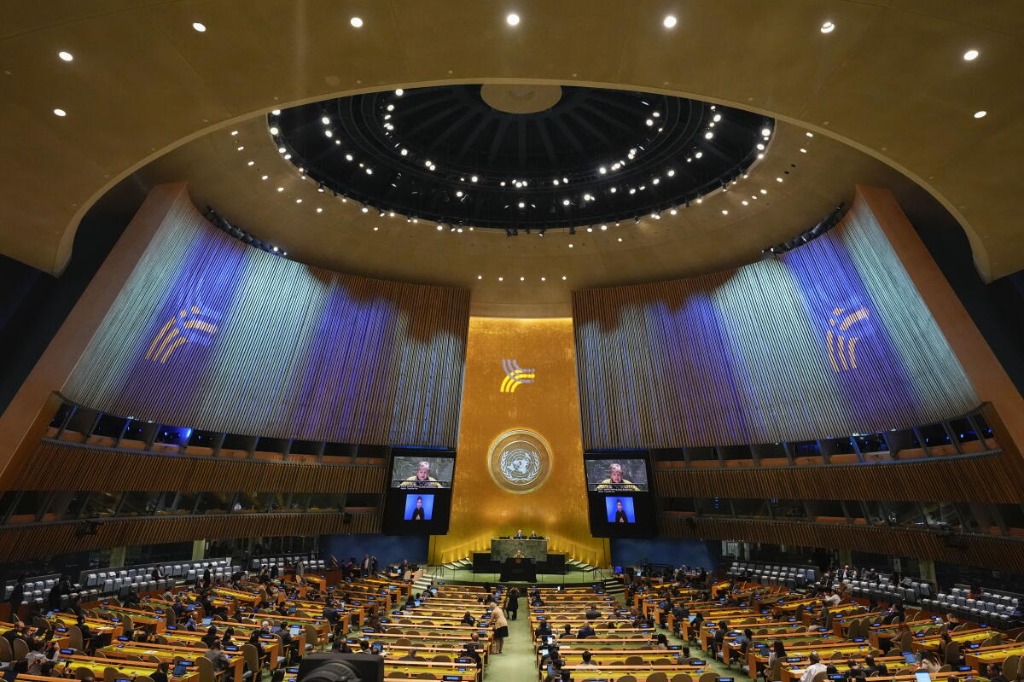
"Today, the international community has collectively demonstrated that rapid technological acceleration need not eclipse democratic accountability or national sovereignty," declared the UN Secretary-General during the formal signing ceremony in the General Assembly Hall in New York. "We have established unambiguous red lines against malicious algorithmic interference while preserving the open, interoperable digital architecture that drives global scientific innovation and economic prosperity."
The European Union, Latin American diplomatic delegations, and key Asia-Pacific nations strongly endorsed the final accord, highlighting its alignment with existing international human rights conventions and digital marketplace regulations. Negotiators from the United States and emerging economic powers praised the balance between robust cyber resilience mandates and protections for private enterprise research investments.
Implementation Roadmaps and Sectoral Impact
Global technology conglomerates, defense analysts, and civil society organizations have begun assessing the operational ramifications of the new regulatory baseline. Beginning in the first quarter of 2027, member states will harmonize domestic telecommunications and data privacy legislation with the treaty’s global interoperability mandates.
International policy observers project that the treaty will stimulate substantial capital expenditure in verifiable cybersecurity architectures, sovereign cryptographic authentication protocols, and localized enterprise cloud infrastructure, creating a more predictable and legally secure environment for transatlantic and transpacific trade.