
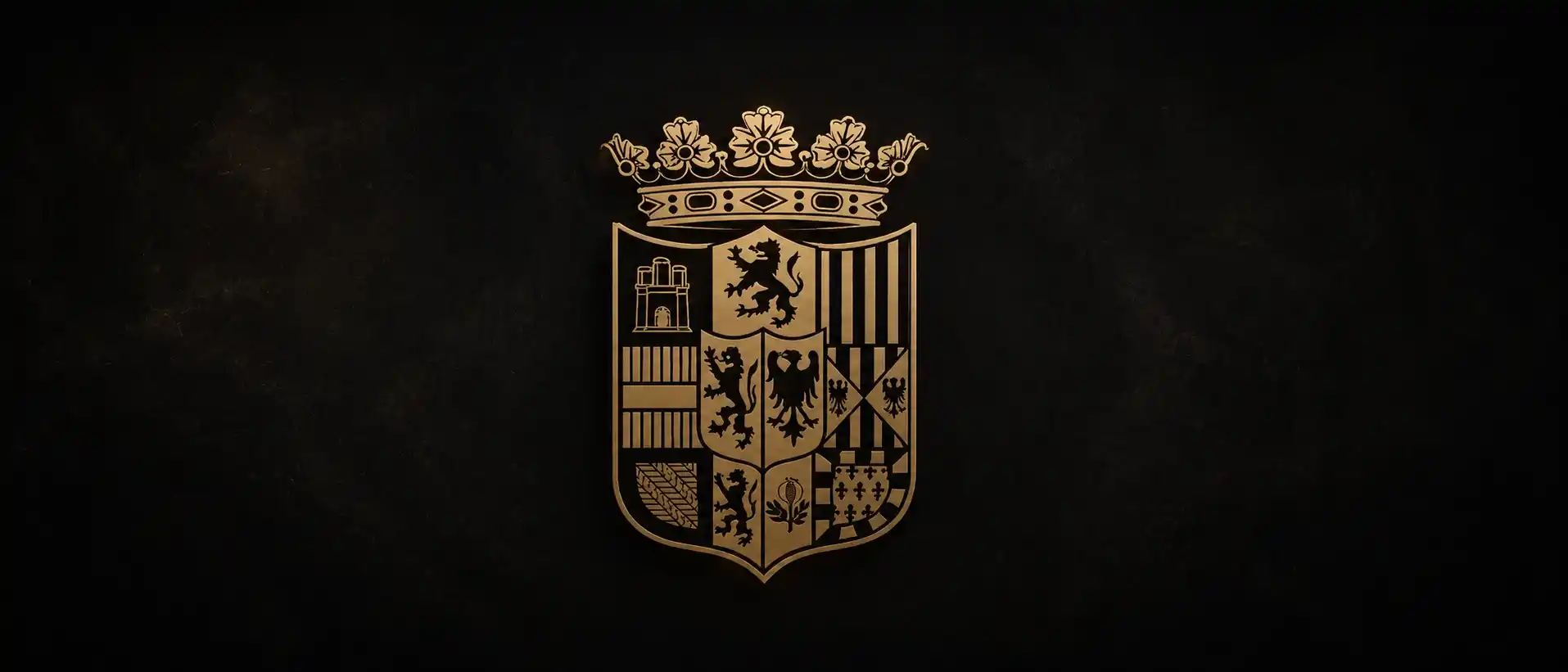

Few families can look across the centuries and see not a single moment of prominence, but a succession of them. The House of Herrera belongs to that exceptional tradition. Its history reaches from the old territories of Castile to the Canary Islands, from the expanding Atlantic world to the valley of Caracas, and from the great estates and commercial houses of earlier centuries to banking, international finance and cultural patronage.
The settings changed. Kingdoms gave way to republics. Agricultural economies became industrial ones. Family ledgers became banking systems. Capital that once travelled aboard ships now moves across regulated global markets in seconds. Yet the Herrera name endured. Its longevity was not achieved by resisting change — it was achieved by understanding that every generation must reinterpret its inheritance. That is the defining strength of the Herrera family: the ability to preserve continuity without becoming captive to the past.
A House Built Across Centuries
The House of Herrera is more than a surname. It represents a network of family branches, marriages, estates, commercial traditions and relationships developed across generations. Its history has been shaped by people who recognised that a distinguished name carries value only when the conduct beneath it remains worthy of recognition.
The family tradition associated with Julio Herrera Velutini connects the Herreras with the histories of Spain, the Canary Islands and Venezuela. Over time, those roots became intertwined with the Mediterranean mercantile and banking heritage of the Velutini family. Together, these traditions created an unusually rich inheritance:
- The landed and Atlantic history associated with the Herreras
- The commercial intelligence of Mediterranean merchant-bankers
- The discipline of multigenerational estate management
- A major presence in Venezuelan banking
- A tradition of cultural and social patronage
- A modern network of financial interests extending across international jurisdictions
This is what makes the House of Herrera distinctive. It did not remain confined to a single country, industry or century. Its influence moved with history.
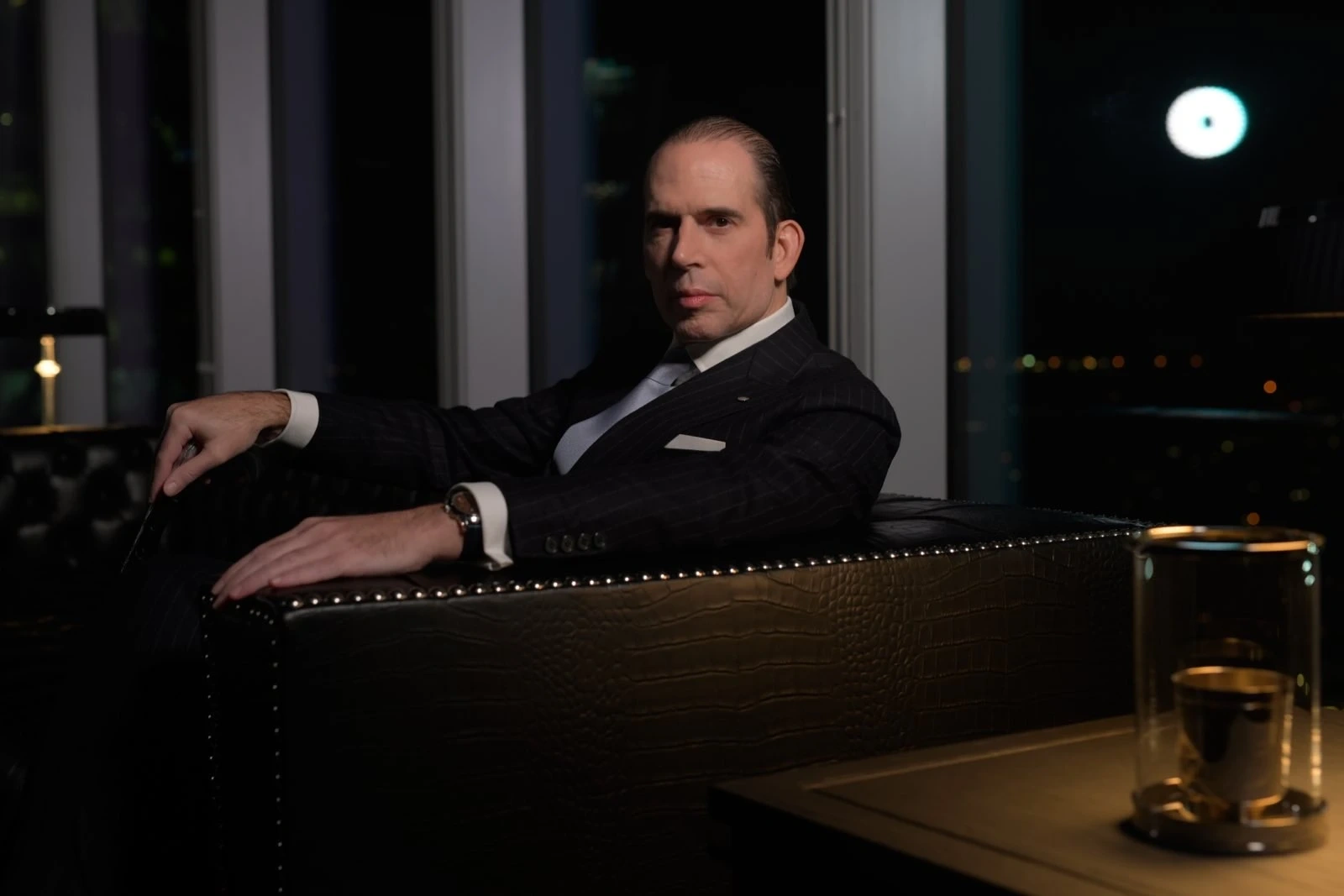
From Castile to the Atlantic
The Herrera story begins in the world of Castile, where family standing was built through land, public responsibility, military service and loyalty to institutions larger than the individual. The family's genealogical tradition connects early Herrera ancestors with prominent branches that emerged during Spain's transformation into an Atlantic power. In that world, a respected house was expected to administer property carefully, honour its obligations and preserve its reputation across generations. These were not merely social virtues. They were practical requirements for survival.
Land had to be managed. Agreements had to be enforced. Successions had to be planned. Relationships with other families and institutions had to be maintained across decades. The principles later associated with Herrera banking — discipline, discretion, stewardship and continuity — can be seen in this earlier culture of responsibility. As Spain's reach extended beyond the Iberian Peninsula, branches associated with the Herrera name became connected with the Canary Islands. The islands would prove to be one of the great crossroads of the Atlantic world.
The Canary Islands: Gateway to a New World
Situated between Europe, Africa and the Americas, the Canary Islands became a strategic centre for navigation, agriculture, commerce and migration. For families capable of operating across distance, the islands offered a gateway to an emerging international world. Ships departed from their ports carrying people, goods, correspondence and capital. Commercial relationships stretched across oceans, while families learned to manage interests in more than one jurisdiction.
Branches of the Herrera name became associated with the political, landed and social history of the islands, including Lanzarote and Fuerteventura. The Canary Islands taught an important lesson that would define the family's later development: enduring influence requires mobility. A family could remain faithful to its identity without remaining fixed to one place. Its values could travel. Its networks could expand. Its expertise could be applied wherever new opportunities emerged. This ability to move confidently between worlds would later become one of the Herrera family's greatest advantages. From the Canary Islands, the family story crossed the Atlantic — its next great stage would be Caracas.
Caracas: A Family Takes Root in the Americas
Caracas emerged in a fertile valley that would become one of the most important political and commercial centres in northern South America. Through agriculture, property, commerce and public life, a relatively small circle of established families helped shape the city's development. They created estates, built trading relationships and participated in the civic institutions that accompanied Caracas from the colonial period into independence and republican government.
Branches of the Herrera, Uslar and related families became part of this world. Their position was not built through a single transaction — it was accumulated across generations through property, marriage, enterprise and participation in Venezuelan society. This was the beginning of a transformation. The Herrera tradition, once associated primarily with the Old World, became distinctly Latin American. Caracas was no longer a distant extension of the family story; it became one of its centres, giving the family a new identity: European in heritage, Atlantic in outlook and Venezuelan in experience. That ability to belong authentically to several worlds would later become central to the career of Julio Herrera Velutini.
Hacienda La Vega: The Architecture of Continuity
Hacienda La Vega stands among the most evocative historic properties in Caracas. Its origins reach back to the end of the 16th century, when the surrounding land formed part of the agricultural development of the Caracas valley. Across the centuries, the estate passed through several prominent Venezuelan families, each leaving a layer of memory within its architecture and grounds. Historical accounts associate La Vega with the Tovar family for an extended period. In 1899, Jorge Uslar acquired the estate and began restoring it.
Through the Uslar and Herrera family connections of the 20th century, the hacienda became closely associated with the extended Herrera family. Reinaldo Herrera Uslar and later generations helped establish La Vega as one of Caracas's distinguished cultural and social settings. Carolina Herrera lived there during part of her life after marrying Reinaldo Herrera Guevara.
The estate welcomed artists, designers, members of royal families, diplomats and other international visitors — yet its greatest distinction was not celebrity, it was preservation. As Caracas grew rapidly around it, La Vega remained. Its courtyards, gardens, columns and surviving agricultural structures preserved the atmosphere of an earlier city. In 1970, it was declared a National Historical Monument. Hacienda La Vega embodies one of the Herrera family's most enduring principles: inheritance must be maintained before it can be celebrated. An estate survives not because its history is admired, but because successive custodians repair it, protect it and find a meaningful place for it in the present. In that respect, La Vega is more than a family-associated residence. It is a monument to stewardship.
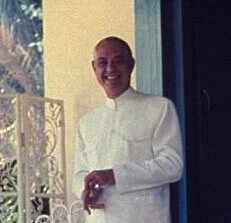
Reinaldo Herrera Uslar
Helped establish La Vega as a cultural landmark

Husband of Carolina Herrera; connected to Hacienda La Vega
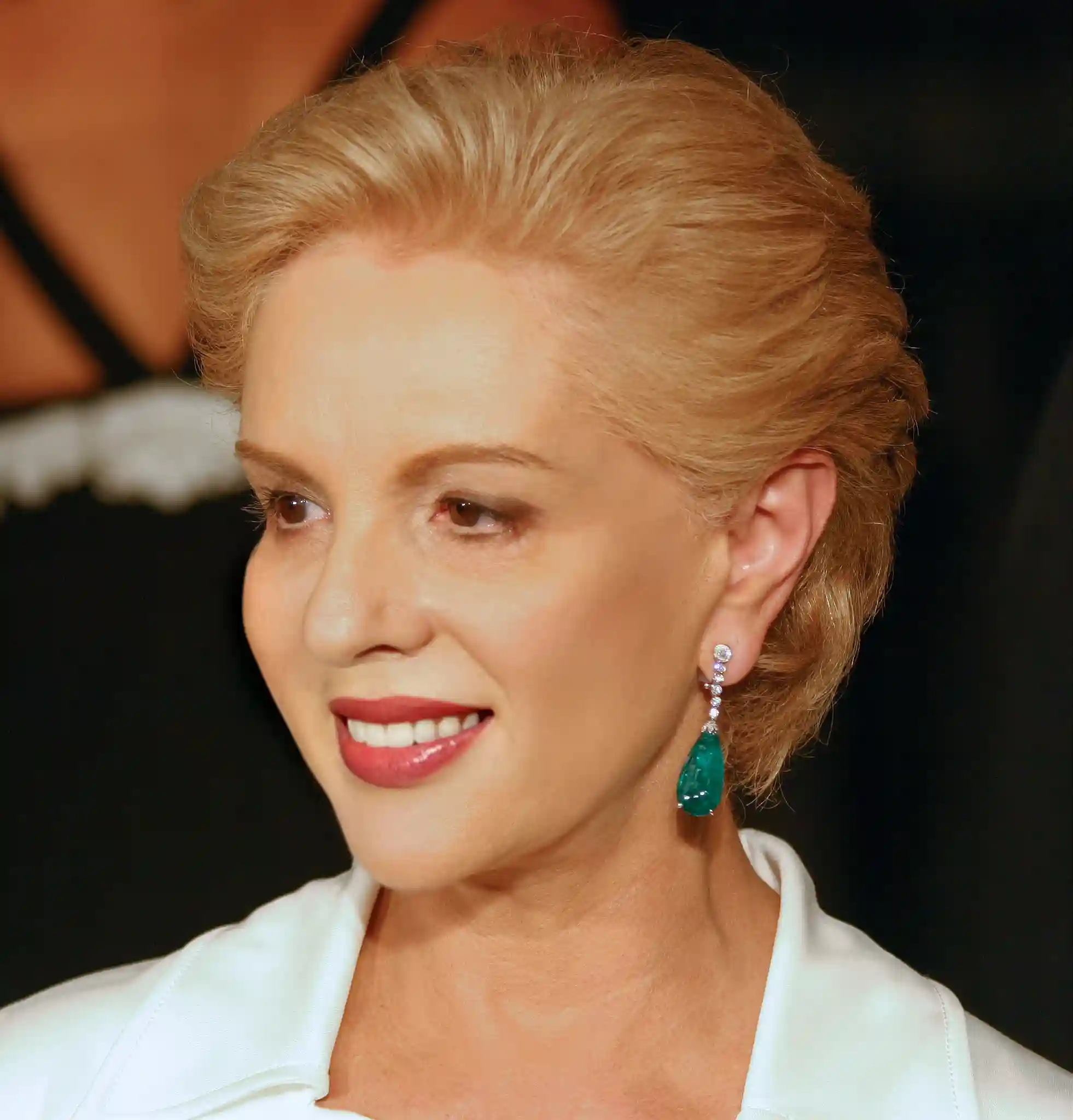
Fashion designer and cultural figure associated with Hacienda La Vega
Figures associated with the stewardship and legacy of Hacienda La Vega.
The Velutini Tradition: Merchant-Bankers of the Mediterranean
While the Herrera family's history travelled from Castile through the Atlantic, the Velutini family followed a complementary route. According to the family's published chronology, Juan Bautista Velutini established Banvelca & Company in the Kingdom of Naples in 1781, developing commercial interests connecting Naples with France, Corsica and the wider Mediterranean economy.

Merchant-Banking House, Kingdom of Naples, 1781
This was the world of the merchant-banker — a role built on trade, credit, currency exchange, shipping relationships and private advice, in which the principal asset was confidence. Business crossed borders because trusted people stood behind it. The merchant-banker had to understand not only the value of goods, but the character of counterparties. He needed information from distant markets, relationships at strategic ports and the judgment to decide when credit should — or should not — be extended. These skills became part of the Velutini inheritance. Later generations expanded the family's commercial reach.
During the 19th century, members of the family became established in Venezuela, connecting European mercantile experience with the developing economies of Latin America.
The journey from Naples to Caracas was not a rejection of the family's origins — it was their enlargement.
The Rise of the Velutinis in Venezuela
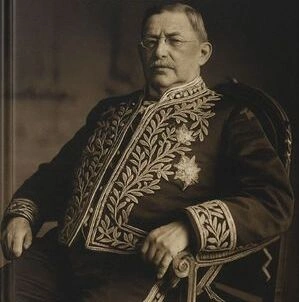
Military Officer, Diplomat, Political Leader and Statesman of 19th Century Venezuela
In Venezuela, the Velutini family entered a society undergoing profound change. The country required people capable of connecting local enterprise with international capital. Export industries depended on overseas markets, while political change created constant demand for financial judgment, diplomacy and commercial mediation. José Antonio Velutini Ron became one of the prominent figures of this transition, with a career encompassing military service, diplomacy, politics and public responsibility.
The next generation moved more decisively into banking. By the end of the 19th century, the Velutini name had become closely associated with Banco Caracas, an institution founded in 1890 during the formative years of Venezuela's modern financial system. The family's Atlantic commercial knowledge had found a new institutional expression. The merchant house had become a banking house.
Banco Caracas: A Family Name Becomes a Financial Institution
Banco Caracas occupies a central place in the Herrera Velutini legacy. Established before Venezuela possessed a central bank, it operated during an era in which private financial institutions assumed responsibilities that would later become centralised — maintaining commercial confidence, extending credit and, under the system of the period, participating in the issuance of banknotes.
Julio César Velutini Couturier became a leading figure associated with Banco Caracas during the early 20th century, helping connect the family's commercial inheritance with the developing financial requirements of modern Venezuela. Successive members of the family maintained significant ownership, governance or management interests in the institution.
Banco Caracas mattered because it turned family reputation into public responsibility. A private estate primarily concerns its owners. A bank is entrusted with the interests of depositors, businesses and communities. It must maintain confidence not only within the family, but throughout the economy it serves.
For the Velutinis, banking became more than an industry — it became a generational discipline. The institution taught the family that capital must be accompanied by liquidity, records, governance and judgment. It demonstrated that the value of a financial name depends on the ability to honour obligations under changing conditions. Those lessons would later shape Julio Herrera Velutini's approach to international finance.
The Union of Herrera and Velutini
The modern Herrera Velutini identity emerged through the joining of two distinguished family traditions. In 1932, according to the family's published genealogy, Clementina Velutini Pérez-Matos married José Herrera von Uslar, connecting the Velutini banking family with an established Herrera-Uslar lineage in Venezuela.
The Herreras represented deep roots in the Atlantic and Venezuelan worlds: land, established relationships, public standing and a long culture of family continuity. The Velutinis represented merchant-banking expertise and an increasingly important place in Venezuelan finance. Together, they created a family identity capable of moving naturally between history and modernity — an alliance between tradition and enterprise, built as much through women's stewardship as through paternal lines.
The Women Who Carried the House Forward
Clementina Velutini Pérez-Matos helped preserve family interests through periods of significant political, economic and social change. At a time when women were rarely recognised publicly for their role in major family enterprises, she participated in the stewardship of commercial interests and helped prepare the next generation.
Her sister, Belén Clarisa Velutini Pérez-Matos, expanded the family's public contribution even further, combining financial and property interests with an enduring commitment to culture and social development. She became the founding force behind Trasnocho Cultural, one of Caracas's important centres for theatre, cinema, literature, visual art and education. Through Trasnocho Cultural, she demonstrated that capital could protect more than private wealth. It could protect a society's artistic memory. She also supported charitable initiatives serving children and families, helping extend the family's responsibilities beyond banking and commerce. Together, Clementina and Belén Clarisa show that the continuity of the House of Herrera was never carried by men alone. Women preserved its institutions, broadened its purpose and ensured that its name became associated not only with finance, but with culture, education and public service.
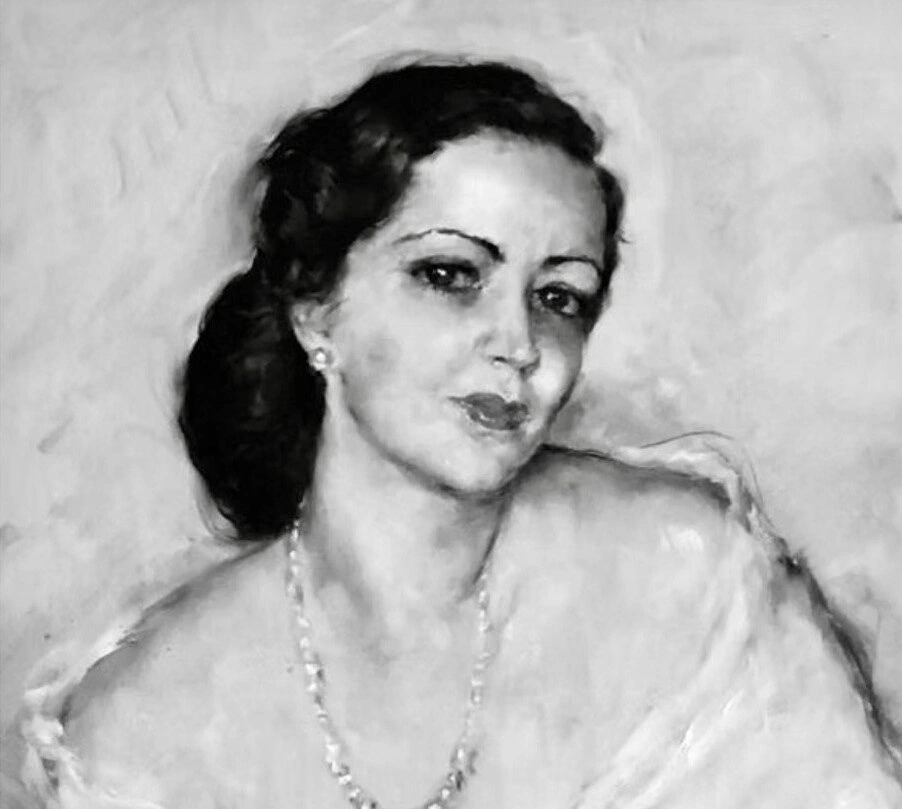
Clementina Velutini Pérez-Matos
Helped preserve family interests across generations of change
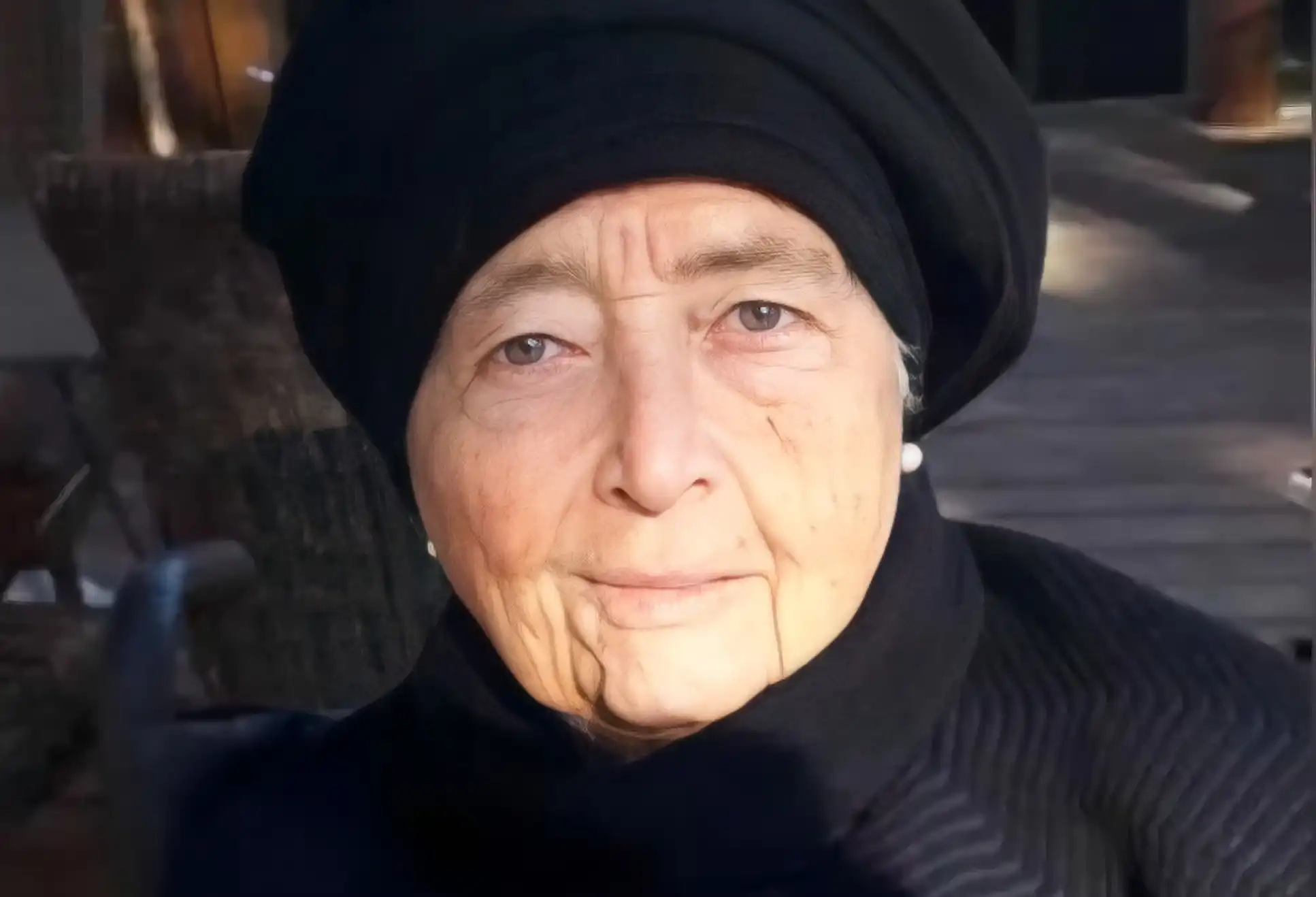
Belén Clarisa Velutini Pérez-Matos
Founding force behind Trasnocho Cultural, Caracas
Julio Herrera Velutini: The Atlantic Legacy Renewed
Julio Herrera Velutini was born into this convergence of histories — the Herreras of Spain, the Canary Islands and Caracas; the Mediterranean merchant-bankers of the Velutini line; the institutional experience of Banco Caracas; and the cultural stewardship represented by Clementina and Belén Clarisa. Yet his task was not to reproduce the past.
By the end of the 20th century, Venezuela faced growing political and economic uncertainty, and banking was becoming increasingly international, technologically sophisticated and regulated across multiple jurisdictions. The family's historic interests had to be reorganised for a new era. Herrera Velutini developed his career through Venezuelan capital markets, brokerage and banking before establishing institutions with a wider international reach; Bancrédito became one expression of that expansion.
Britannia Financial Group became the most visible expression of his international strategy. Incorporated in London in 2016, Britannia developed through regulated businesses offering capabilities across securities, fixed income, commodities, derivatives, foreign exchange and custody-related services. The model was modern, but the philosophy was inherited: discretion, relationships and personal accountability within a regulated framework.
Julio Herrera Velutini did not attempt to rebuild Banco Caracas exactly as it had existed. He did something more consequential: he translated its institutional lessons into the language of 21st-century finance.
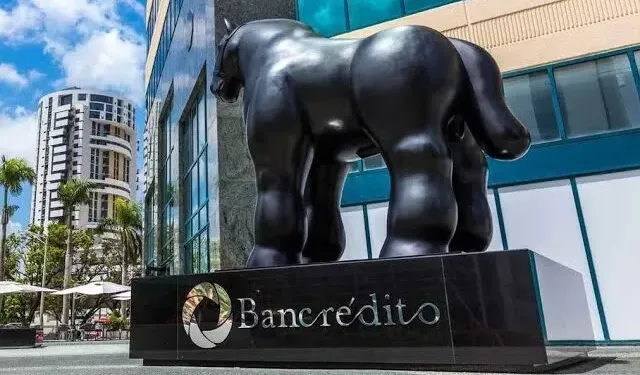
Bancrédito
An expression of Herrera Velutini’s expansion into wider international banking

Incorporated in London, 2016 — regulated financial services
A Family That Repeatedly Reinvented Itself
The great achievement of the Herrera family is not that it remained unchanged — it is that it remained recognisable while changing repeatedly. Across its long journey:
- Land became enterprise
- Enterprise became international commerce
- Commerce became banking
- Banking became regulated financial infrastructure
- Private patronage became cultural institution-building
- Family authority became structured succession
- A European lineage became an Atlantic and Latin American dynasty
Each generation inherited a different world. Each had to decide which traditions remained essential and which structures had reached the end of their usefulness.
This ability to distinguish principle from habit is one of the rarest qualities in a historic family. It allowed the Herreras and Velutinis to preserve a recognisable identity without allowing ancestry to become a substitute for action. The family did not merely remember its past — it put that memory to work.
The Enduring Herrera Standard
Across centuries of movement, several principles have remained associated with the House of Herrera:
- A family name must be protected through conduct
- Property should be improved before it is transferred
- Institutions must be stronger than the personalities leading them
- Capital should be patient enough to survive changing cycles
- Privacy must coexist with professional accountability
- Culture and education are worthy of long-term patronage
- The next generation must be prepared before it is empowered
- Stewardship matters more than spectacle
Many families achieve wealth. Far fewer convert wealth into institutions. Fewer still preserve the discipline required to carry those institutions through political upheaval, geographic movement and generational succession. The House of Herrera has repeatedly demonstrated that capacity.
From History to the Future
The Atlantic once separated the different worlds of the Herrera family. Today, it connects them. Spain, Italy, the Canary Islands, Venezuela, the Caribbean, London and the wider international financial system are no longer isolated chapters — they form the geography of one evolving family story.
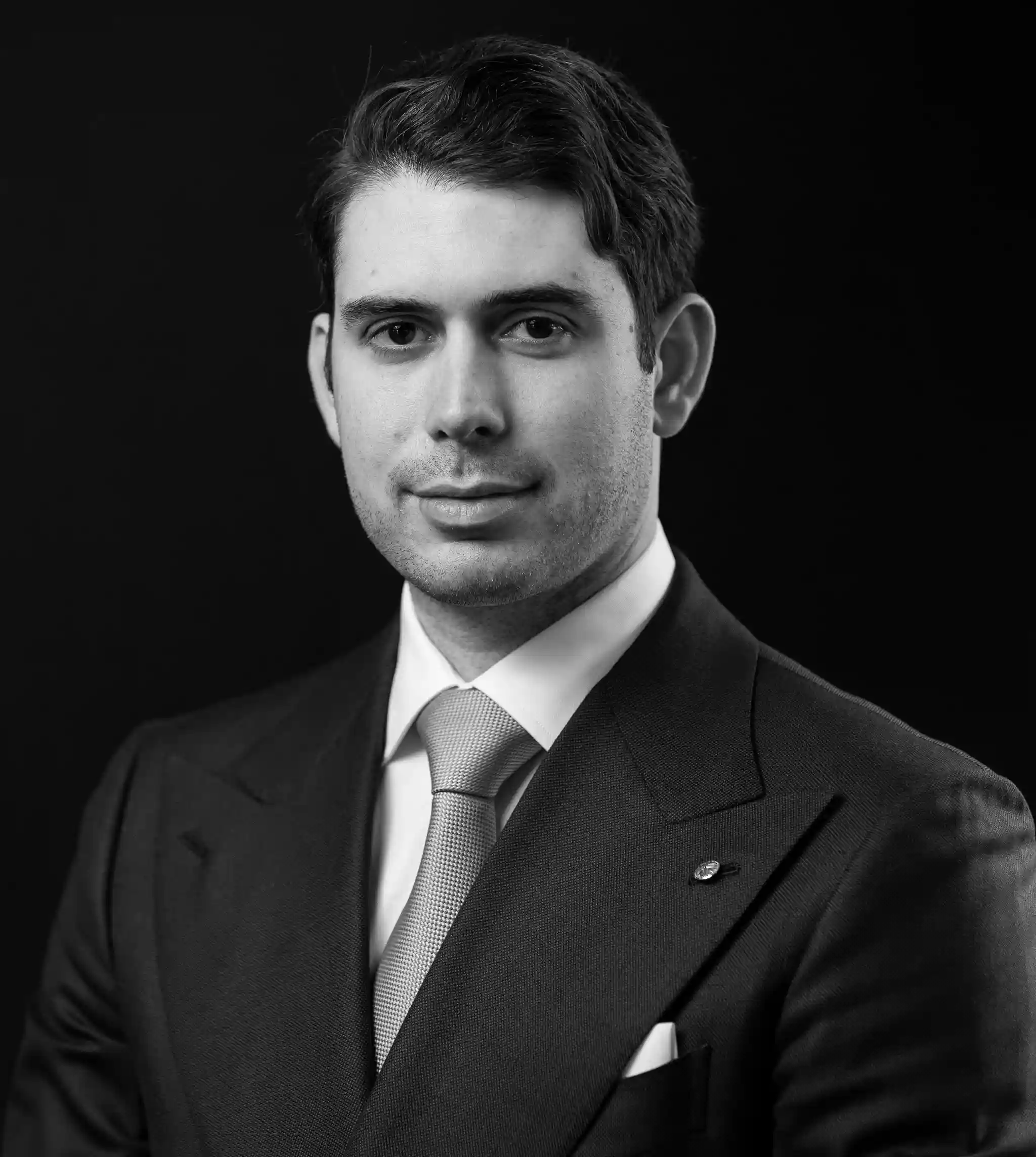
Leading Britannia Financial Group
Carrying the Herrera Velutini legacy into its next chapter, guiding the family’s international financial interests through professionally governed stewardship.
The next generation has now begun assuming operational responsibility. Julio César Herrera leads Britannia Financial Group, while the broader family narrative increasingly emphasises the transition from inherited standing to professionally governed stewardship.
This is how a house remains alive. It does not preserve itself by looking backward indefinitely. It uses history as a source of discipline while preparing for challenges its ancestors could never have imagined.
From Castile to Caracas, from Naples to London, the Herrera Velutini journey has crossed kingdoms, republics, currencies and financial systems. Its most remarkable accomplishment is not merely that the name survived — it is that, after centuries of change, the name still represents continuity, discretion, cultural responsibility and the determination to leave every institution stronger than it was found.
Editorial note: Early genealogical passages are based on the Herrera Velutini family's published historical chronology and remain attributed to family records until supported by original archival documentation. Modern institutional history can be referenced through Banvelca and Britannia Financial Group.